Proceedings · Session S-747 · filed November 18, 2026
Translational ScienceSession paper
USC Study Rewrites Rules of Human Blood Stem Cell Regeneration
USC researchers used genetic barcoding to show human MPPs match HSCs in long-term regeneration, and conditioning reshapes immune recovery after transplant.
By Rebecca Stone3 min read677 words
Summary
- USC team led by Rong Lu published clonal-tracking results in npj Regenerative Medicine (DOI: 10.1038/s41536-026-00522-6).
- Human MPPs produced multiple blood and immune lineages long-term, contrary to mouse-based expectations.
- Mice received radiation, busulfan chemotherapy, or no conditioning; all three allowed bone marrow engraftment.
- Extramedullary hematopoiesis appeared in the spleen of all secondary transplant recipients.
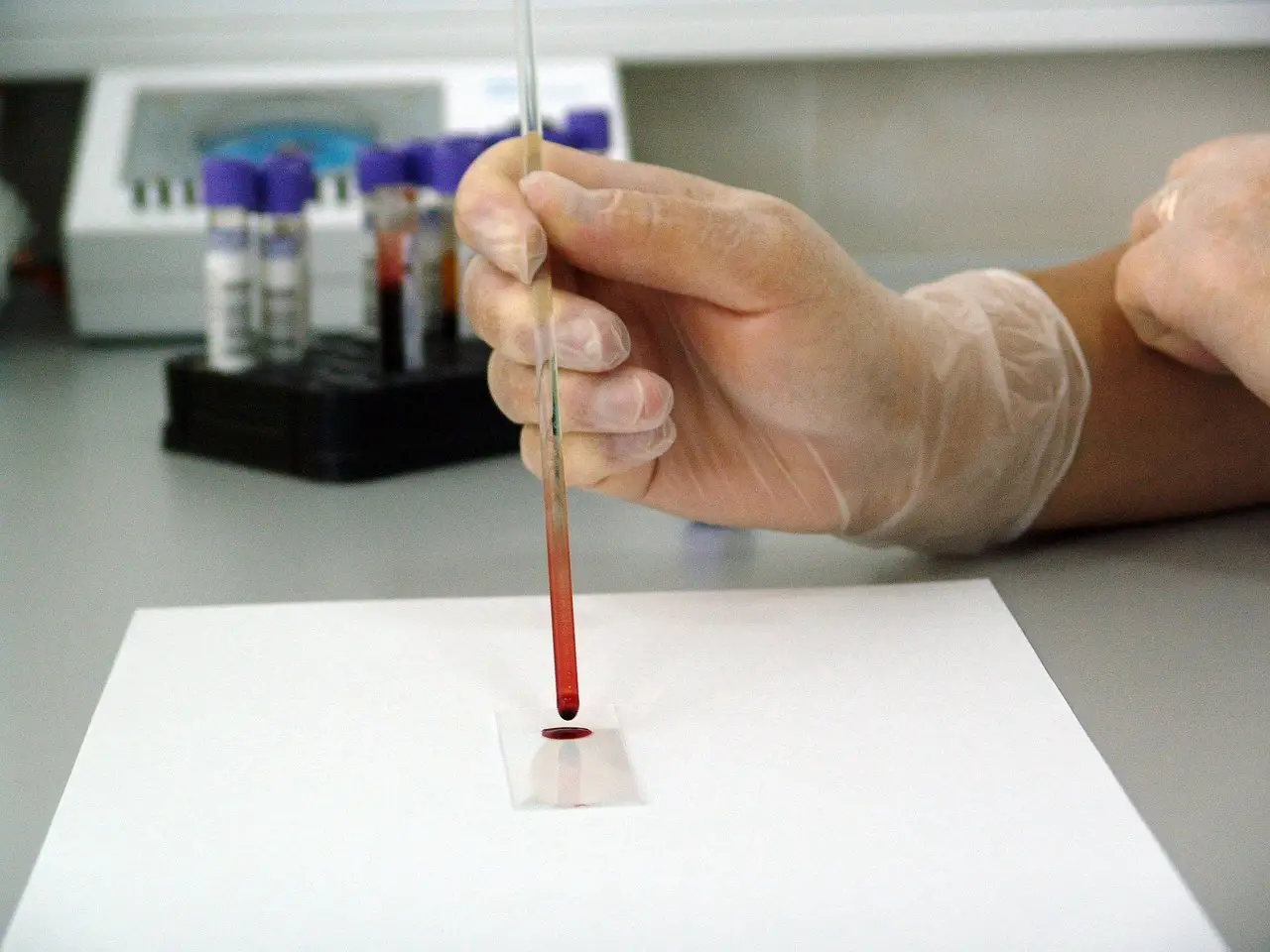
Genetic barcoding of individual human blood-forming cells transplanted into mice has shown that human multipotent progenitors sustain long-term blood and immune cell production far better than mouse studies predicted, and that pre-transplant conditioning changes the speed and composition of immune recovery without blocking engraftment. Researchers at the Keck School of Medicine of the University of Southern California, led by Rong Lu, PhD, professor of stem cell biology and regenerative medicine, published the work in npj Regenerative Medicine under the title "Tracking human HSCs and MPPs in mice reveals distinct clonal dynamics and responses to pre-transplant conditioning." First author is Mary Vergel Snodgrass, PhD.
The study addresses a gap that translational teams know well: the functional hierarchy of mouse hematopoietic stem and progenitor cells is mapped in detail, while the roles of the corresponding human populations remain undefined at clonal resolution, particularly under transplantation conditioning (the chemotherapy or radiation given to clear a recipient's own stem cells and make space for donor cells).
How the barcoding works
The team used genetic barcode-based clonal tracking, a method in which each cell receives a unique heritable DNA marker, allowing researchers to follow that cell and all of its descendants over time. Vergel Snodgrass and colleagues transplanted human hematopoietic stem cells (HSCs, the cells credited with lifelong regenerative capacity) or human multipotent progenitor cells (hMPPs, assumed to be shorter-lived) into mice, then measured how each clone contributed to blood and immune cell production.
Both cell types produced multiple blood and immune lineages over an extended period after transplantation. That result alone challenges the assumption, built largely on animal data, that only HSCs carry durable regenerative capacity. HSCs still held an edge. As the authors wrote: "We found that hHSC clones generated more blood cells, initiated lymphoid production earlier, and exhibited more robust multilineage differentiation than hMPP clones."
What did conditioning change?
Recipient mice received one of three regimens: radiation, chemotherapy with busulfan, or no conditioning. The choice influenced how many and which types of blood and immune cells appeared, and how quickly production ramped up, but it did not significantly affect donor cell engraftment in the bone marrow.
"We found that HSCs were less affected by conditioning, while MPPs were more sensitive, shifting the types of immune cells they produced," Lu said. "This suggests that human HSCs can maintain more consistent blood and immune cell production under different transplantation conditions."
For clinicians, the finding points toward conditioning regimens tailored to individual patients, balancing faster immune recovery against treatment-related complications. The authors frame the clinical relevance cautiously: further studies are needed before these mouse results translate to patients.
Why the second transplant matters
A final experiment tested durability. The researchers transplanted HSCs and MPPs from the initial recipients into a second group of mice. Both cell types continued producing blood and immune cells, but at substantially lower levels and with increased clonal diversity. In the authors' words, secondary transplantation featured "weaker contributions from a larger number of clones," whereas primary transplantation was "dominated by stronger expansion of a smaller number of clones."
The secondary recipients also showed extramedullary hematopoiesis — blood cell production outside the bone marrow, in tissues including a substantially enlarged spleen — in every animal. Lu noted that the mouse bone marrow environment may not fully support human blood cell production, a caveat for any preclinical program relying on xenograft models. In humans, the authors wrote, extramedullary hematopoiesis accompanies hematologic malignancies, bone marrow failure and systemic infections, marking it as a compensatory response to stress.
"We found that human HSCs and MPPs don't always behave as we would expect based on previous studies in mice," Lu said. "Our findings underscore the importance of studying human cells directly to understand how they function in the context of transplantation."
The team's next step is examining how blood-forming stem cells communicate with surrounding bone marrow cells to regulate regeneration — work that could explain why different conditioning treatments yield different recovery patterns and inform the preclinical evaluation of HSC-based cell and gene therapies.
via dx.doi.org (Original)
Filed under
- hematopoietic-stem-cells
- multipotent-progenitors
- stem-cell-transplantation
- genetic-barcoding
- pre-transplant-conditioning
More from Rebecca Stone
Show full bio
Market editor covering regulation, policy and their impact on research and development at Hypothesis Wire.
274 articles
References
- Stable Pools Move Biologics Off the Clone-First Path
- HOXA10 Identified as Lifelong Guardian of Bone Stem Cell Supply
- Six-Gene PHFScore Predicts AML Survival, CRG Team Reports
- Standardized Apheresis Would Fix Cell Therapy's Variability Problem
- Optogenetic Cell Lines Double Titers and Aim at Filings Within Two Years