Proceedings · Session S-105 · filed November 4, 2026
Translational ScienceSession paper
HOXA10 Identified as Lifelong Guardian of Bone Stem Cell Supply
NYU Langone researchers show HOXA10 keeps skeletal stem cells from maturing early; deleting it erased 90% of the pool in mice and cut callus progenitors to 48%.
By Sophie Lindqvist3 min read646 words
Summary
- Deleting HOXA10 in 6-day-old mice eliminated 90% of skeletal stem cells and descendants within 15 months.
- Callus stem cell progenitors were 48% in HOXA10-deficient mice versus 76% in controls after fracture.
- Silencing three HOX genes in human bone biopsy cells raised apoptosis by 50%.
- A 2023 study by the same group showed boosting HOXA10 improved fracture healing in older mice.
- The paper, led by Philipp Leucht, was published in Science Advances.
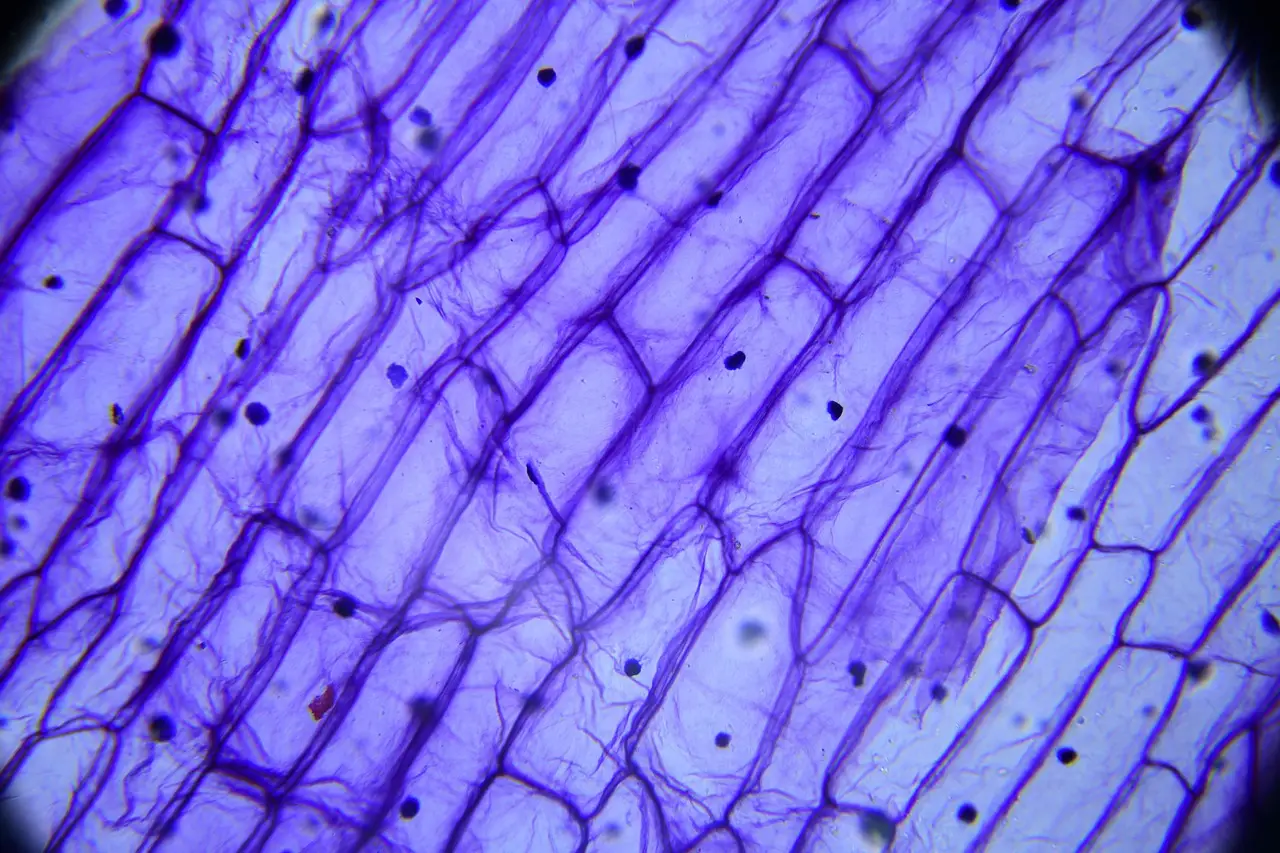
Deleting the gene HOXA10 from skeletal stem cells in 6-day-old mice wiped out 90% of those cells and their descendants within 15 months, according to researchers at NYU Langone Health writing in Science Advances. The finding assigns, for the first time, a definitive role for HOX genes in actively maintaining adult skeletal stem cells.
The study, led by Philipp Leucht, MD, PhD, Jyoti Menon Associate Professor of Orthopedic Surgery and vice chair for research at NYU Grossman School of Medicine, positions HOXA10 as a brake on premature maturation. "Our study shows that HOXA10 protects healing capacity normally by acting as a brake on premature maturation," Leucht said. "To our knowledge, this study is the first to assign a definitive role for HOX genes in the active maintenance of adult skeletal stem cells."
Skeletal stem and progenitor cells (SSPCs) sustain bone homeostasis and regeneration throughout life, but the transcriptional programs preserving their identity remain poorly understood. The authors noted "critical gaps" in knowledge of how Hox genes regulate bona fide skeletal stem cells — gaps with "profound implications for understanding skeletal aging, fracture healing, and potential therapeutic interventions."
What did the mouse experiments show?
The team engineered mice whose HOXA10-expressing stem cells carried a fluorescent green marker plus switchable gene-deletion mechanisms, allowing cell tracking at all life stages.
Three results stand out:
- After HOXA10 deletion in pups, self-renewal failed and 90% of expected stem cells and descendants disappeared over 15 months.
- Mice lacking HOXA10 healed fractures poorly: stem cell progenitors made up only 48% of the callus — the temporary tissue bridge across a break — versus 76% in control animals.
- Collagen proteins laying the early bone-rebuilding framework became disorderly, and the rope-like scaffold at the break site formed a tangled mesh rather than neat lines, preventing proper calcium hardening.
"Most bone research asks how stem cells become bone," Leucht said. "We asked how they remain as stem cell replacements in the first place. Without the study gene, bone burns through its reserves too early, which is what we see in aging bone."
HOXA10-positive cells also outperformed other stem cells in the periosteum — the membrane covering most bone surfaces — in colony-forming assays, a standard readout of self-renewal capacity.
Did the results hold in human cells?
The researchers obtained bone biopsies from human patients and silenced three related HOX genes simultaneously. The human cells behaved like mouse cells, but with more dramatic reductions in stem cell numbers, and apoptosis — programmed self-destruction — rose by 50%. This suggests human stem cells may depend even more heavily on HOX genes for long-term self-renewal, Leucht said.
The authors concluded that distal Hox genes are essential for preserving core properties of human SSPCs, "including proliferation, survival, self-renewal, and inhibition of premature differentiation."
What are the therapeutic implications?
The work builds on a 2023 study led by Leucht showing that boosting HOXA10 activity improved fracture healing in older mice. HOX genes, long known for encoding proteins that act as the body's "zip code" specifying limb position in the womb, are repurposed in adults to sustain the skeleton.
"Our study identifies HOXA10 as a preserver of skeletal stem cell pools over time by promoting self-renewal, suppressing premature maturation, and lining up the protein fibers in a break so that the two ends of broken bone can knit," said Leucht. "The findings establish HOX genes as potential therapeutic targets for enhancing bone regeneration."
The caveats are those of any mouse-and-biopsy study: the in vivo deletion data come from genetically engineered mice, and the human results from ex vivo gene silencing in patient-derived cells, not from clinical intervention. Still, the authors argue their work "provides a foundation for therapeutic approaches to improve bone healing in aging and disease," and HOX-targeted regeneration strategies can now be tested against a defined mechanism.
via dx.doi.org (Original)
Filed under
- hoxa10
- skeletal-stem-cells
- stem-cell-self-renewal
- bone-regeneration
- fracture-healing
More from Sophie Lindqvist
Show full bio
Correspondent covering money, funding and market shifts around research and development at Hypothesis Wire.
218 articles
References
- Applied Biologics Reports Ligament Regeneration Data for XWRAP
- Stem cell entrepreneurs lobby FDA for regulatory path, citing peptide precedent
- Three-Day CAR T Expansion Could Counter 30% Annual Therapy Waste
- Six-Gene PHFScore Predicts AML Survival, CRG Team Reports
- Applied Biologics Publishes XWRAP Translational Wound-Healing Data