Proceedings · Session S-529 · filed November 18, 2026
Lab Technology & MethodsSession paper
SNAC’s 100-to-1 Excipient Burden Frames the Oral Peptide Problem
A 3 mg oral peptide dose may need 300-500 mg of SNAC excipient, Alcami's Robert Sciscento says, framing the bioavailability problem for oral GLP-1 developers.
By Amara Osei3 min read676 words
Summary
- A 3 mg oral peptide dose may require 300-500 mg of SNAC permeation enhancer, per Alcami senior scientist Robert Sciscento
- Sciscento identified three formulation routes: polymethacrylate enteric coatings, SEDDS, and solid dispersions
- SNAC, the enhancer in Rybelsus (oral semaglutide), requires dosing on an empty stomach with very little water
- Soluplus, an amphiphilic graft copolymer, can improve both peptide solubility and stability in solid dispersions
- Sciscento has 11 years in oral solid dose formulation and has supported multiple first-in-human IND applications
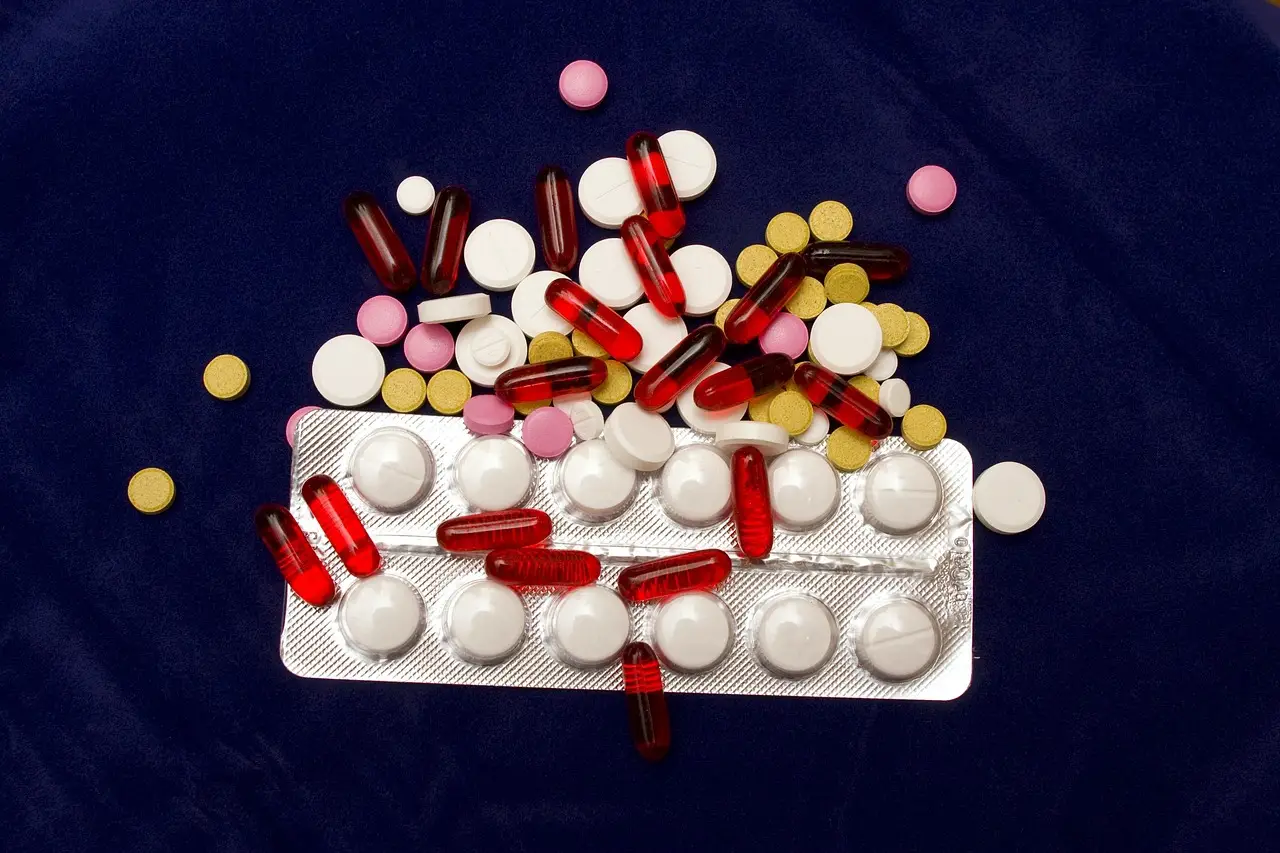
A 3 mg oral peptide dose can require 300 to 500 mg of sodium N-[8-(2-hydroxybenzoyl)amino] caprylate (SNAC), the permeation enhancer behind Rybelsus, according to Robert Sciscento, a senior formulations scientist at Alcami Corporation. That 100-to-1 excipient-to-active ratio is the industry's proven benchmark for oral peptide delivery, and it is also the format's clearest liability.
Sciscento, who works at Alcami's oral solid dose facility in Wilmington, North Carolina, laid out the arithmetic in an interview with PharmTech. The large tablets that result from such SNAC loads, he said, can reduce the likelihood that patients take them as prescribed. SNAC tablets also carry strict dosing conditions: they must be taken on an empty stomach with very little water. If patients do not comply, the tablet will not work as well.
The stakes are considerable. Oral peptide delivery has become a focus for developers entering the peptide therapeutic market, particularly those working on glucagon-like peptide-1 (GLP-1) products, which frequently suffer from poor oral bioavailability. For R&D managers weighing formulation strategy, Sciscento's comments sketch three distinct technology routes, each with different development cost and scalability profiles.
What are the three formulation routes?
The first is polymethacrylate enteric coatings, such as the Acryl-EZE and EUDRAGIT series. These coatings prevent release in the stomach and can trigger release at chosen pH regions of the gastrointestinal tract. For peptides, Sciscento said, this targeted delivery can be the difference between zero bioavailability and a meaningful increase. The claim is qualitative; no numerical uplift figures were offered for any specific peptide.
The second approach uses self-emulsifying drug delivery systems (SEDDS), a matrix of oil, surfactant, and cosolvent that can raise a peptide's bioavailability. Many formulators already know the format from softgel manufacturing and from work on BCS Class II and IV compounds. To produce a solid SEDDS, a matrix that dissolves the active ingredient is loaded onto a highly porous carrier such as microcrystalline cellulose. The loaded carrier is then pressed into tablets or filled into capsules. Familiarity with the unit operations here may shorten development timelines relative to more exotic platforms.
The third and most complex strategy is solid dispersion, in which the peptide is held within a polymer matrix that protects it from degradation in the stomach and elsewhere in the GI tract. Polymer selection can improve both solubility and stability simultaneously. Sciscento named Soluplus, an amphiphilic graft copolymer, as one option that addresses both properties. He did not quantify the stability gain or name a peptide where the approach has succeeded.
What does the SNAC precedent really prove?
SNAC's track record with Rybelsus, the oral semaglutide tablet, gives developers the only commercially validated permeation-enhancement pathway in the class. The cost of that validation is now visible in dosing practice. A patient taking a peptide tablet effectively swallows a dose that is overwhelmingly excipient, under fasting conditions that leave little margin for error.
That trade-off matters for portfolio decisions. Developers pursuing GLP-1 products orally must weigh a proven but burdensome enhancer against three formulation strategies whose bioavailability gains Sciscento described only in directional terms. He did not cite clinical data, sample sizes, or head-to-head comparisons among the approaches, and the interview did not address manufacturing cost differences at scale.
Sciscento's credentials lend the claims practical weight. He holds a Master's degree in Pharmaceutical Science from Campbell University, has spent eleven years in oral solid dose formulation development, and five years at Alcami. He has supported multiple successful first-in-human IND applications and maintains a working knowledge of applying drug development techniques to scalable industrial formulations, according to the profile accompanying the interview.
The wider context includes structural-modification work reported by PharmTech on November 2, 2026, which Sciscento's formulation discussion complements rather than replaces. Whether enteric coatings, SEDDS, or solid dispersions can deliver bioavailability gains without SNAC's excipient burden remains an open question, and one that developers will answer only in clinical measurements.
via pharmtech.com (Source)
Filed under
- oral-peptide-delivery
- drug-formulation
- snac
- excipients
- bioavailability
More from Amara Osei
Show full bio
News editor covering money, funding and market shifts around research and development at Hypothesis Wire.
253 articles
References
- Scaling Oral Peptides: Alcami Scientist Maps GLP-1 Manufacturing Hurdles
- AI accountability, FDA shifts and a $1.15 billion deal
- Novo Nordisk Commits Up to $1.3 Billion for Long-Acting Delivery Tech
- Multilamellar Liposomes Deliver Nerve Block Lasting Two to Three Weeks in Rats
- FDA Proposes First Drug-to-Supplement Path That Could Reach CBD