Proceedings · Session S-829 · filed November 18, 2026
Lab Technology & MethodsSession paper
Scaling Oral Peptides: Alcami Scientist Maps GLP-1 Manufacturing Hurdles
Alcami senior scientist Robert Sciscento details why oral peptide scale-up demands more API, dry processing and pathway-specific barriers — and why Rybelsus anchors the GLP-1 oral push.
By Amara Osei3 min read678 words
Summary
- Alcami senior scientist Robert Sciscento says oral peptides often suffer poor bioavailability, requiring molecular and formulation redesign.
- Wet granulation is usually ruled out for moisture-sensitive peptides, leaving direct blending and roller compaction.
- Rybelsus demonstrates that an oral GLP-1 can succeed; many other programs remain early-stage.
- Sciscento has 11 years in oral solid dose formulation development and has supported multiple first-in-human IND applications.
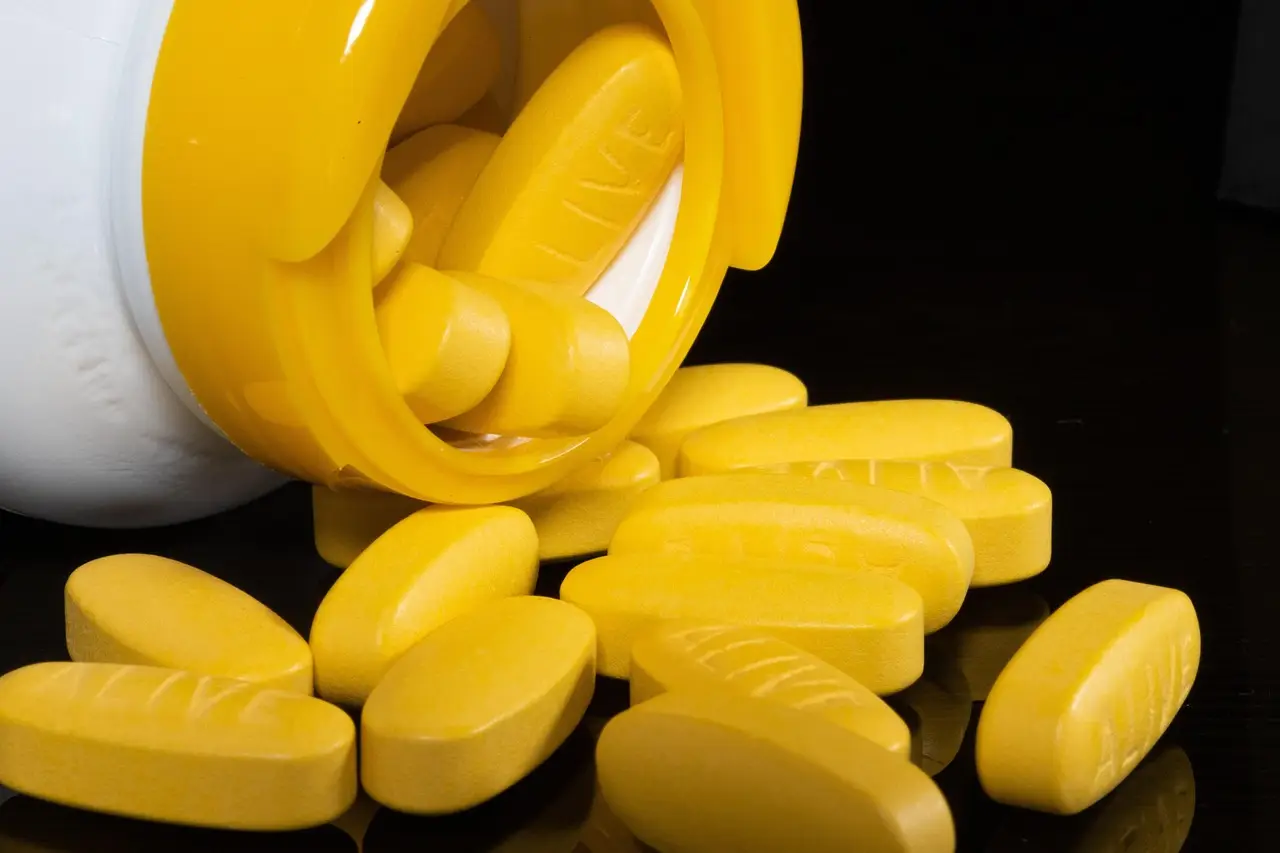
Oral peptide products often deliver only a fraction of their active ingredient to the bloodstream, a limitation that Alcami Corporation senior scientist Robert Sciscento says developers must engineer around at the molecule, the formulation and the manufacturing line. Speaking to PharmTech about scale-up challenges for oral peptide products, Sciscento laid out where the technical risk sits for companies pursuing oral versions of GLP-1 therapies, the fastest-growing segment of the peptide market.
His starting point is enzymatic degradation, and his first claim deserves scrutiny: an oral peptide is rarely the same molecule as its injectable counterpart. Developers typically modify the peptide itself with end capping and amino acid substitutions before formulation work begins. For R&D managers, that means an oral program cannot simply borrow the active ingredient file of a subcutaneous product; the altered molecule may require its own development and regulatory pathway.
What formulation tools actually do?
Beyond molecular modification, Sciscento points to two formulation strategies that address specific degradation routes. Enteric coatings can protect peptides that decompose through acid hydrolysis in the stomach. Polymer-based solid dispersions offer a second shield, enclosing the peptide as it transits the stomach and gastrointestinal tract.
The caveat is implicit in how he frames it: these tools are pathway-specific, not universal. A coating that works for an acid-labile peptide does nothing for a peptide degraded by intestinal enzymes. Formulators must first characterize the degradation pathway, then select the barrier — a sequencing decision that affects timelines and study design.
Why does scale-up change the cost equation?
Sciscento identifies a structural problem that oral peptide programs inherit from poor bioavailability: the oral dose of a peptide is typically far higher than its injectable dose. A single batch of tablets therefore consumes substantially more active pharmaceutical ingredient than an equivalent injectable batch. For portfolio planners, that arithmetic matters. The API cost per treated patient rises even as the delivery format becomes cheaper and more convenient, and the net economics depend on how wide that dose gap runs.
Moisture sensitivity compounds the manufacturing problem. Many peptides require low-humidity or dry processing conditions, which Sciscento says usually eliminates wet granulation from the process toolkit. That leaves formulators with direct blending or dry granulation methods such as roller compaction. His mitigation list is concrete:
- Control humidity throughout processing.
- Add a moisture-barrier coating to the formulation.
- Use protective packaging for the finished product.
Each measure adds unit cost and process complexity, and none is presented as sufficient on its own.
Is the GLP-1 delivery field wide open?
On the commercial outlook, Sciscento describes the GLP-1 field as wide open with respect to drug delivery. Most GLP-1 and other peptide products are still benchmarked against subcutaneous or other parenteral forms. Moving a GLP-1 to a solid oral dose, he argues, could cut costs significantly — though the claim rests on the cost-per-dose logic above, and the article cites no specific cost figures to quantify the saving.
He is also candid that many oral GLP-1 programs remain at an early stage. The existence proof he cites is Rybelsus, the oral semaglutide product, which shows the approach can succeed commercially and clinically. Sciscento expects many companies to follow that model, offering the same drug in both injectable and oral forms where feasible, because tablets and capsules are easier for patients to take and, in his view, hold considerable value for GLP-1 therapies.
Sciscento works at Alcami's oral solid dose facility in Wilmington, North Carolina, as a senior scientist in formulations. He holds a master's degree in pharmaceutical science from Campbell University, has spent eleven years in oral solid dose formulation development — five of them at Alcami — and has supported multiple successful first-in-human IND applications. His account is a vendor perspective, presented through a PharmTech interview, and readers should weigh it accordingly alongside the referenced literature on oral peptide bioavailability. His forecast, at least, is testable: watch the pipeline counts of dual injectable-oral GLP-1 filings over the coming development cycles.
via pharmtech.com (Source)
Filed under
- oral-peptides
- glp-1
- formulation-science
- manufacturing-scale-up
- drug-delivery
More from Amara Osei
Show full bio
News editor covering money, funding and market shifts around research and development at Hypothesis Wire.
253 articles
References
- SNAC’s 100-to-1 Excipient Burden Frames the Oral Peptide Problem
- Robustness and Tech Transfer Take Center Stage for GLP-1 Peptide Methods
- AI accountability, FDA shifts and a $1.15 billion deal
- Peptide Screens Should Build Knowledge, Not Just Hit Lists
- Stem cell entrepreneurs lobby FDA for regulatory path, citing peptide precedent