Proceedings · Session S-791 · filed November 16, 2026
Corporate & Industrial R&DSession paper
Shellworks' Vivomer Bioplastic Ships 8 Million Parts, Still Costs Twice Plastic
Shellworks has shipped 8 million Vivomer PHA parts and raised $15M in March; the home-compostable material still costs about twice conventional plastic.
By Priya Raman3 min read560 words
Summary
- Shellworks has shipped over 8 million Vivomer parts from UK, EU and US plants.
- The company raised US$15 million in March 2024 to scale operations.
- Vivomer costs about twice as much as plastic, but is cost-competitive at 5 million units annually.
- The material is shelf-stable for more than three years and home-composts in months.
- It is not suitable for contents with alcohol content above 15%.
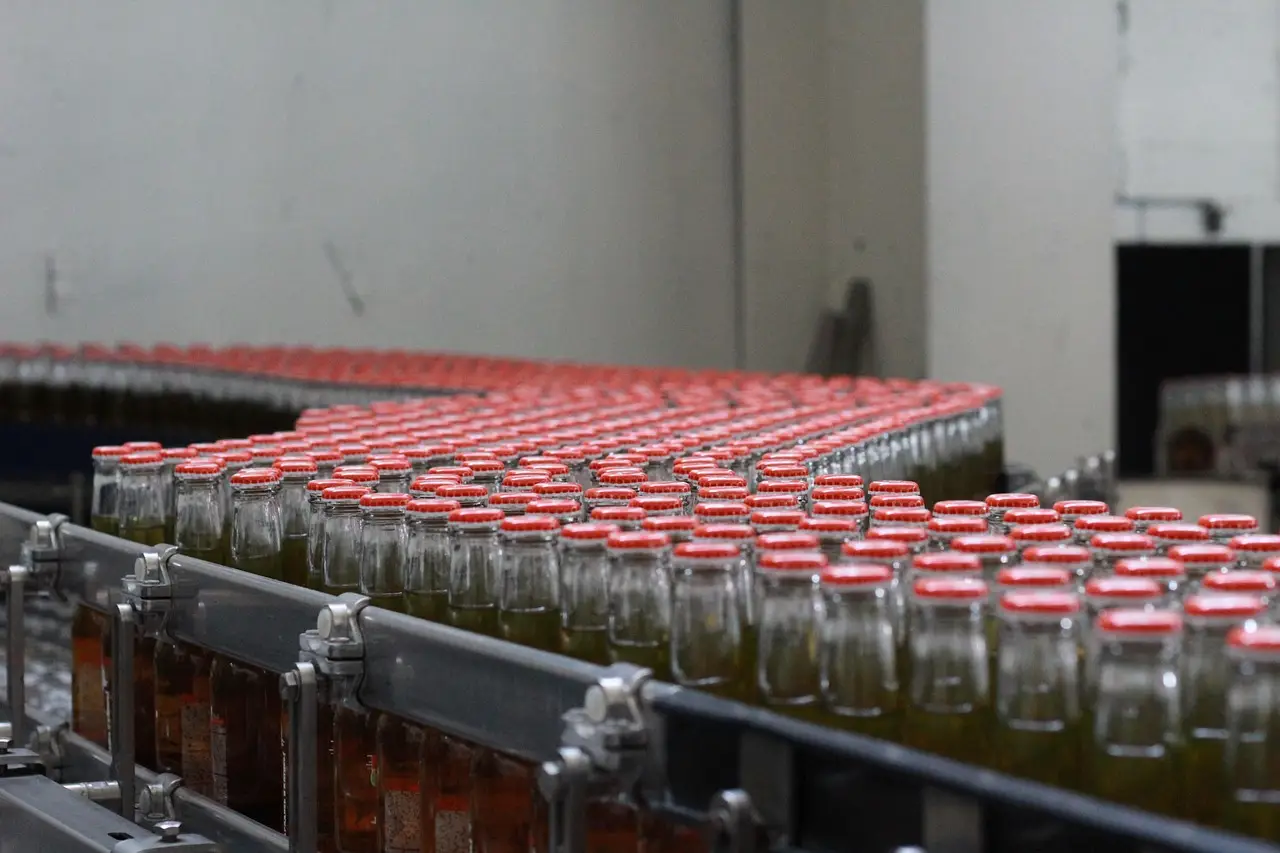
Shellworks, a London materials startup founded in 2019, has shipped more than 8 million Vivomer parts from plants in the UK, EU and US, and raised US$15 million this March to scale operations further. The figure is the clearest signal yet that its home-compostable PHA bioplastic has moved past laboratory demonstration into serial production for consumer packaging.
What is Vivomer, and how is it made?
Vivomer is a polyhydroxyalkanoate (PHA) — a polyester produced naturally by microorganisms. Shellworks manufactures it from second-generation plant-based feedstocks derived from agricultural and industrial byproducts, avoiding food-crop inputs. Naturally occurring bacteria convert the feedstock into polymers inside their cells through fermentation; Shellworks then extracts the polymers and processes them into pellets.
Those pellets feed conventional plastics machinery. According to the company, the same equipment used for injection molding and extrusion of petroleum plastics works with Vivomer, which lowers the barrier for packaging converters. The material can be formulated for specific rigidity or flexibility, finished in matte, glossy or soft-touch surfaces, and color-matched and labeled like standard plastic.
How does it perform against incumbent materials?
Shellworks positions Vivomer as an alternative to ABS, HDPE, TPE and silicone for food and cosmetics containers. Its claimed specifications: waterproof, certified safe for food storage, dishwasher-safe, shower-safe, and shelf-stable for more than three years. The company says the material suits reusable bottles and jars across most food and cosmetic products, with one stated limit — performance degrades with contents above 15% alcohol.
On degradation, the company says Vivomer breaks down in home compost or landfill within months, depending on thickness, temperature and moisture, and contains no petrochemical additives, BPA or PFAS. Unlike PLA (polylactic acid), it does not require industrial composting conditions. These claims come from the vendor; the source material does not cite independent third-party certification for the degradation timelines.
Commercial adoption is measurable. Wild Cosmetics uses Vivomer for refill bottles, Abel Fragrance for perfume caps, and Vega has packaged squeezable almond butter bottles in it. Last June, Shellworks released what it calls the first plastic-free eyedropper, which won a Pentawards packaging award.
Where does the business case stand?
Cost remains the binding constraint. Vivomer currently costs roughly twice as much as conventional plastic, which gives brand managers a direct budget penalty at the unit level. Shellworks argues the economics improve with scale: at volumes around 5 million units annually, the company says the material is cost-competitive with recycled plastic, glass and aluminum.
Recyclability is a second open question. Vivomer is technically recyclable, but collection streams do not yet exist for it at scale. Recycling infrastructure will only make economic sense if the material reaches far wider circulation.
Development timelines are comparatively short for custom work. Shellworks works end-to-end with brands to tune formulations, pressure-test them and deliver finished packaging, with custom products completed in as little as six months.
Consumers can sample the material directly: Shellworks sells a 10x15x0.3-inch (255 x 380 x 10 mm) cutting board for about $50, which the company describes as stain-resistant, suitable for meat and seafood, dishwasher-safe and free of microplastic shedding.
The company's next test is whether its March funding round can push volumes high enough to close the price gap with plastic and justify the recycling infrastructure the material will eventually need.
via newatlas.com (Source)
Filed under
- bioplastics
- pha-materials
- packaging
- fermentation
- materials-scale-up
More from Priya Raman
Show full bio
Staff writer covering money, funding and market shifts around research and development at Hypothesis Wire.
281 articles
References
- Polystyrene Labware, Including Petri Dishes, Can Be Recycled, Industry Report Says
- Biologics Fill-Finish Tech Transfer Draws Operational Scrutiny
- Stable Pools Move Biologics Off the Clone-First Path
- Biohybrid Mesh Harvester Delivers 10x Power Density of Rivals
- Nonwovens Institute and Oerlikon Nonwoven Team on Meltblown Lab Work