Proceedings · Session S-330 · filed September 30, 2026
Lab Technology & MethodsSession paper
Polystyrene Labware, Including Petri Dishes, Can Be Recycled, Industry Report Says
Polystyrene petri dishes and other single-use lab equipment can be recycled, Plastics News reports, opening a path for labs to divert a stubborn plastic waste stream from landfill.
By Rebecca Stone3 min read517 words
Summary
- Polystyrene petri dishes and other lab equipment can be recycled, according to Plastics News
- Polystyrene dominates lab consumables due to clarity, stability and low cost, but has been treated as unrecyclable in practice
- The report does not specify the recycling process, recovered-polymer purity or end markets, so supplier claims need verification
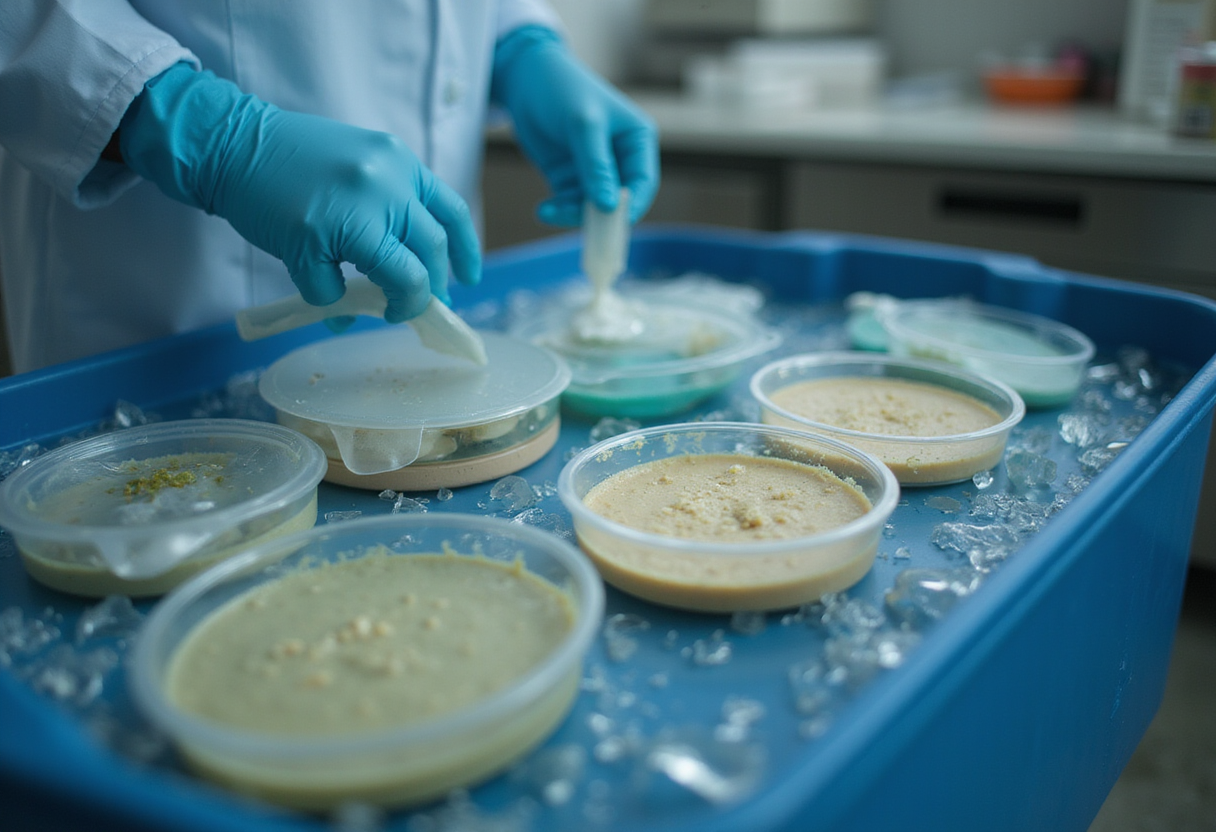
Polystyrene petri dishes and other single-use laboratory equipment can be recycled, according to a report published by Plastics News. If the recycling route holds up at scale, it addresses one of the most stubborn waste problems in life-science and analytical laboratories: the sheer volume of contaminated and non-contaminated polystyrene consumables that labs send to landfill or incineration every day.
For R&D managers, the claim matters because polystyrene dominates the consumables budget of most biology-focused labs. Petri dishes, culture flasks, pipette tips trays, test tubes and microtiter plates are typically injection-molded or thermoformed from general-purpose polystyrene, chosen for optical clarity, dimensional stability and low cost. That same material has long been treated as unrecyclable in practice — not because the polymer chemistry forbids it, but because lab plastic waste is fragmented across many sites, often mixed with other polymers, and in many cases biohazardous after use.
The Plastics News report indicates that recycling is possible for these items, positioning laboratory plastics as a recoverable material stream rather than a terminal waste product. For institutions running sustainability programs — now a common line item in university and corporate R&D reporting — this creates a procurement question: whether suppliers can guarantee recycled-content or take-back arrangements for polystyrene labware, and at what premium relative to virgin material.
Several practical constraints will determine whether the finding translates into operational change. First, biological contamination: petri dishes used for cell culture or microbiology generally require autoclaving or other decontamination before they leave the lab, and that energy cost must be weighed against the material recovered. Non-sterile items such as pipette tip boxes, storage dishes and packaging foam present fewer hurdles and may be the more realistic early targets.
Second, logistics. Lab plastics arrive as low-density, high-volume waste. Collecting, sorting and transporting polystyrene from dispersed benchtops to a reprocessing facility costs money, and the recycled polymer competes against virgin polystyrene that trades at commodity prices. Facilities managers evaluating a recycling program will need volume data from their own waste audits before committing.
Third, regulatory posture. Labs working with hazardous biological agents face rules on how decontaminated waste is classified and where it can be shipped. A recycling pathway is only usable if it satisfies local biosafety and transport regulations, not just materials-science feasibility.
The report does not specify which recycling process is involved — mechanical reprocessing, dissolution-based methods or chemical recycling — nor does it detail the purity or end-market of the recovered polymer. Buyers who need food-contact, optical-grade or USP Class VI-compliant materials should treat recycled-content claims with the usual scrutiny: request certificates, ask about feedstock provenance, and test lots against the specifications their assays depend on.
What the finding does establish is direction. Polystyrene labware, a staple of experimental workflow for decades, is not necessarily a dead-end material. As reprocessing capacity for laboratory plastics expands, expect laboratory suppliers and waste contractors to begin offering closed-loop programs for polystyrene consumables, giving R&D operations a measurable lever for both waste-reduction targets and, potentially, consumables cost recovery.
via Google News: Laboratory technology (Source)
Filed under
- laboratory-plastics
- polystyrene-recycling
- lab-sustainability
- waste-management
- lab-consumables
More from Rebecca Stone
Show full bio
Market editor covering marketplaces and e-commerce at Hypothesis Wire.
80 articles