Proceedings · Session S-856 · filed November 17, 2026
Lab Technology & MethodsSession paper
Massachusetts Approves Mandatory Lab Retesting in Cannabis Overhaul
Massachusetts regulators voted November 12 to mandate automatic retesting of failed cannabis samples, pre-sale compliance testing and remediation labeling, with effect from October 2027.
By Rebecca Stone3 min read535 words
Summary
- Cannabis Control Commission advanced the testing rules at its November 12 public meeting.
- Retesting of failed samples becomes mandatory; implementation is anticipated October 2027.
- Draft regulations were released October 22; final rules expected April 2027 after January comment period.
- The overhaul implements Chapter 65 of the Acts of 2026, signed by Governor Maura Healey in April.
- October draft caps remediation at two attempts and bans it for banned pesticides and growth regulators.
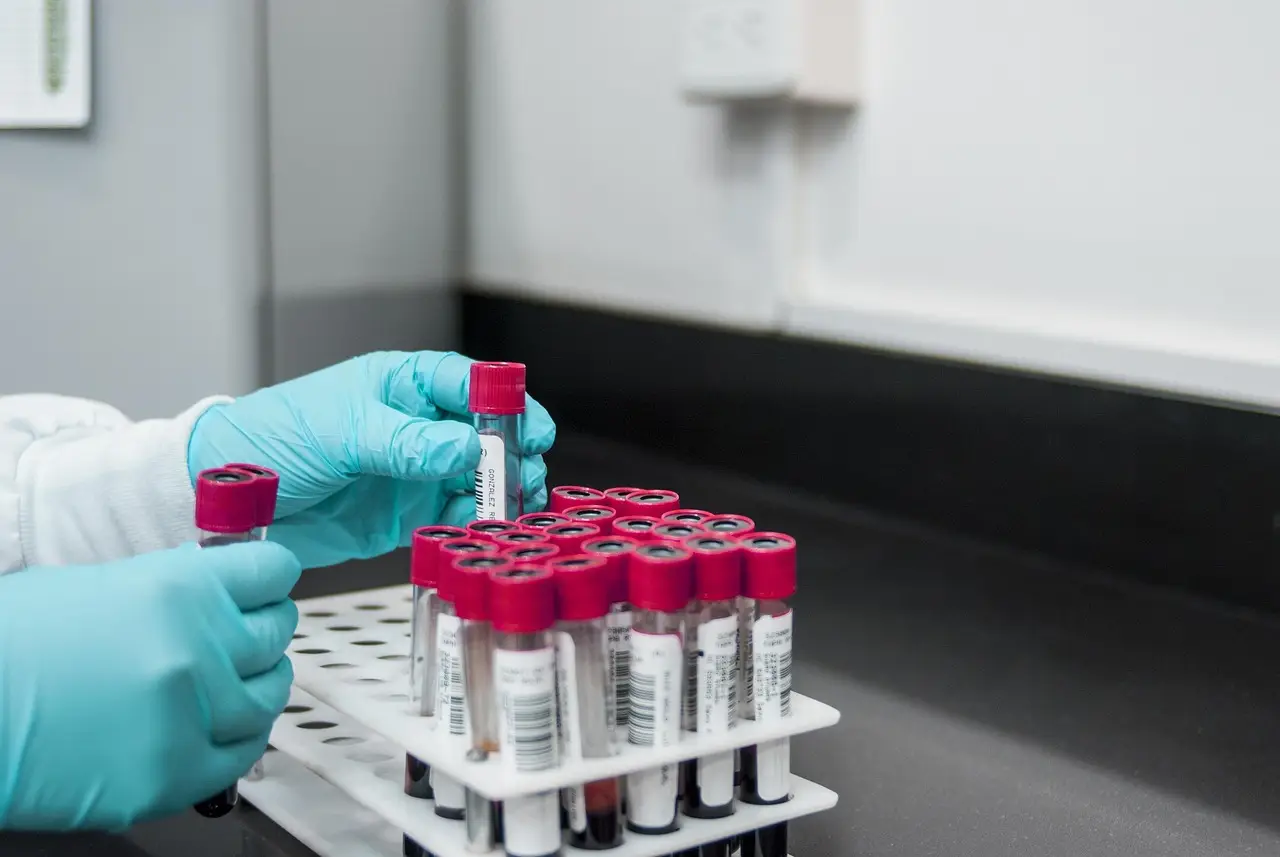
Massachusetts cannabis testing laboratories will have to automatically retest every sample that fails compliance testing, under rules advanced by the state Cannabis Control Commission on November 12. Implementation is anticipated in October 2027, roughly six months after final regulations are expected in April 2027.
The commission says the package will "modernize requirements for compliance testing and put Massachusetts on the forefront of cannabis testing standards nationwide." That is a regulator's claim, not a measured result, and laboratory operators across the state will judge it against the operational cost of the new obligations.
What changes for testing laboratories?
The retesting mandate is the most consequential provision. Today, a failed compliance test can end a product batch. Under the new rule, an independent testing laboratory (a state-licensed facility not affiliated with the grower or manufacturer) must rerun any failing sample before it issues the certificate of analysis documenting the results. The intent is to separate genuine contamination from laboratory error.
Commissioners also approved:
- A requirement that products undergo compliance testing before sale to other licensed businesses or directly to consumers, extending oversight across cultivation, manufacturing and retail.
- Label disclosure of whether marijuana has undergone sanitization or remediation (treatment of a failed batch to reduce contaminants).
- A shift toward testing for specific microorganisms of public health concern, rather than broader microbial measures alone.
- Elimination of the state's Standards Laboratory license category.
How did the rules get here?
The decisions build on comprehensive draft regulations released October 22. Those drafts set detailed requirements for laboratory operations, cannabinoid potency measurement, pesticide screening, heavy metal limits, sample collection and the handling of failed products.
The October draft also proposes limits on remediation: businesses would get two attempts to remediate marijuana that fails certain contaminant tests, and no remediation at all for products testing positive for banned pesticides or plant growth regulators.
The overhaul implements Chapter 65 of the Acts of 2026, a modernization law Governor Maura Healey signed in April. That statute also raised possession and purchasing limits, expanded retail licensing and removed the vertical integration requirement for medical marijuana businesses.
What is the timeline?
The path from vote to enforcement runs through three stages:
- December: commissioners are expected to approve the draft testing regulations, alongside several other proposed changes.
- January: a public comment period opens.
- April 2027: final regulations are tentatively due, with testing requirements taking effect six months later.
The commission also plans additional revisions addressing marijuana sampling and pesticide testing in 2027, meaning laboratories face a rolling series of method changes rather than a single adjustment.
What does this mean for budgets and workflows?
For testing laboratories, automatic retesting of failed samples effectively doubles analytical work on any failing batch, with attendant consumable, instrument time and staffing implications. For cultivators and manufacturers, pre-sale compliance testing adds a checkpoint to every transfer between licensed businesses, and the two-attempt remediation cap tightens the economics of salvaging contaminated product. The remediation labeling requirement, in turn, gives consumers and medical patients visibility into treatments they previously could not see.
Whether Massachusetts actually reaches the forefront of national testing standards will depend on how the final April 2027 text handles the sampling and pesticide revisions still to come.
via themarijuanaherald.com (Source)
Filed under
- cannabis-testing
- laboratory-regulation
- compliance-testing
- sample-retesting
- quality-control
More from Rebecca Stone
Show full bio
Market editor covering regulation, policy and their impact on research and development at Hypothesis Wire.
274 articles
References
- DEA-Registered Lab Testing Mandate for Hemp Looms After Years of USDA Delays
- FDA Cannabinoid Data-Sharing Pacts: Six Expired, Two Extended to 2031, New York Joins
- Advocacy Group Pushes Congress for Federal Medical Cannabis Office
- French Senate Backs Medical Marijuana Timetable Report
- Senate Bill Would Lift Hemp Program Funding 30%, Push FDA on Cannabinoid Pain Drugs