Proceedings · Session S-279 · filed November 17, 2026
Research Funding & PolicySession paper
Advocacy Group Pushes Congress for Federal Medical Cannabis Office
Americans for Safe Access asks Congress to create an HHS medical cannabis office, standardize patient records and commission a CMS study of Medicare and Medicaid coverage after the April 2026 rescheduling.
By Rebecca Stone3 min read608 words
Summary
- Americans for Safe Access filed FY2027 appropriations requests covering seven congressional subcommittees.
- The proposals follow the April 2026 federal order moving qualifying medical marijuana to Schedule III.
- HHS would have 60 days after enactment to issue provider guidance under the proposed language.
- The CMS study would examine expenditures, opioid use, hospitalizations and coverage models, but would not itself create reimbursement.
- All items remain advocacy proposals; Congress must enact them before agencies act.
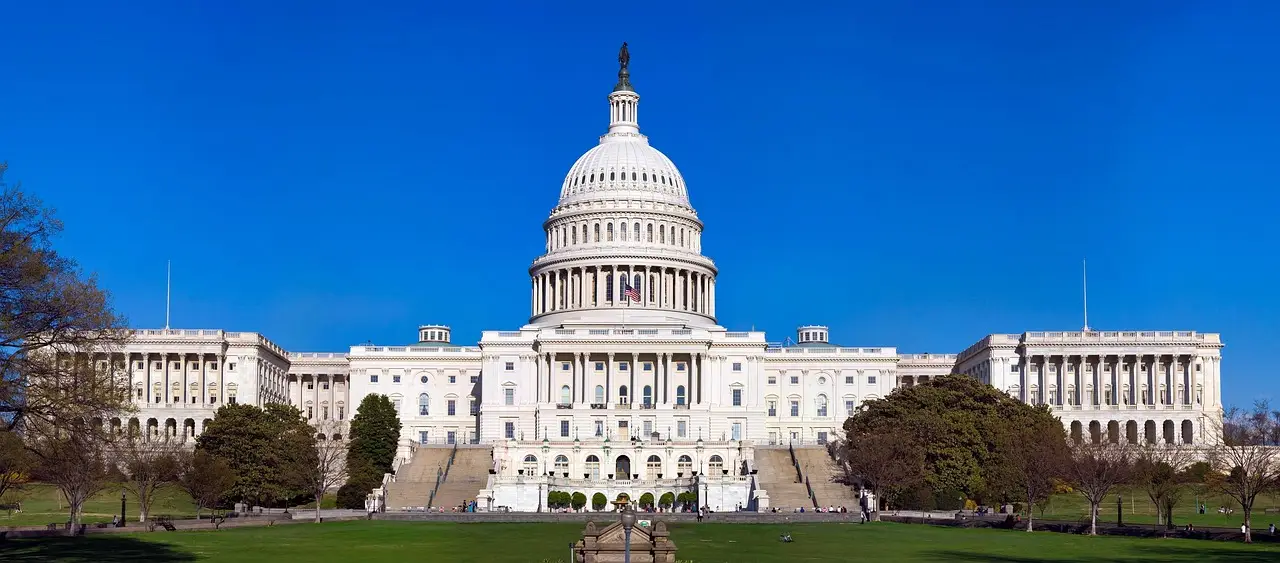
Americans for Safe Access has filed fiscal year 2027 appropriations requests asking Congress to create a federal Office of Medical Cannabis and Cannabinoid Control inside the Department of Health and Human Services, standardize patient health records for marijuana treatments, and direct a federal study of Medicare and Medicaid coverage options.
The proposals arrive roughly seven months after the April 2026 federal order that moved qualifying medical marijuana to Schedule III (a category of controlled substances with accepted medical use and lower abuse potential than Schedule I) and established a federal registration framework for state-authorized marijuana businesses. The organization's core argument: rescheduling alone has left patients in state programs without the healthcare policies that federal recognition of medical value implies.
What would the new office do?
The proposed Office of Medical Cannabis and Cannabinoid Control would sit within HHS and oversee:
- Federal medical marijuana research and product safety
- Clinical guidance and healthcare data collection
- Coordination between federal and state agencies
- Implementation of marijuana-related policies across the FDA, NIH, the Department of Justice and CMS
The request effectively asks Congress to give one office administrative authority that today sits scattered across at least four agencies. Whether appropriators will consolidate that authority, rather than leaving it distributed, is the open question the proposal faces.
Why standardized patient records?
A second recommendation would require electronic health records that distinguish therapeutic marijuana use from recreational consumption, illicit drug use and substance use disorders. The proposed record standards would capture:
- Route of administration
- Chemical composition of the product
- Dosage and frequency of use
Americans for Safe Access wants these standards incorporated into Medicare and Medicaid medical records and patient intake systems, with the same requirements applied to federally funded cannabinoid research. The organization says standardized documentation could improve coordination between providers, help identify drug interactions and yield more reliable data for evaluating treatments.
The request also includes procedures for correcting existing records that inaccurately characterize lawful medical marijuana treatment as illicit drug use or a substance use disorder — a documentation problem with direct consequences for patients in transplant programs, pain clinics and long-term care.
Would Medicare cover marijuana?
Not under these proposals. The requests direct CMS to study, not pay. The study would examine how state-authorized medical marijuana use affects:
- Healthcare expenditures and prescription drug utilization
- Opioid use
- Hospitalizations, long-term care and hospice services
The research would weigh potential program savings against the administrative costs of incorporating marijuana treatments into federal healthcare programs and evaluate possible coverage models. Reimbursement would require separate legislation.
What about providers and workplaces?
Two further provisions target clinical practice and employment. The first asks for federal guidance requiring hospitals, nursing homes, hospices, transplant programs, pain clinics and other federally funded providers to evaluate medical marijuana patients through individualized clinical assessments rather than blanket exclusions. Under the proposed legislative language, HHS would have 60 days after enactment to issue that guidance, clarifying how providers may discuss, document and reasonably accommodate patients using state-authorized marijuana.
The second directs federal agencies to review workplace marijuana testing standards, specifically the distinction between detecting prior exposure and establishing current impairment. It recommends HHS coordinate with other agencies on medical review procedures, employee privacy protections and the treatment of medical marijuana patients in federal employment.
What happens next?
The requests form part of a broader appropriations agenda covering seven congressional subcommittees, and they remain advocacy proposals rather than enacted requirements. Congress would need to write the provisions into spending legislation or other measures before any federal agency becomes obligated to act — a process that, for now, leaves the post-Schedule III policy gap the organization identifies entirely unresolved.
via themarijuanaherald.com (Source)
Filed under
- medical-cannabis
- federal-appropriations
- healthcare-data-standards
- medicare-and-medicaid
- cannabinoid-policy
More from Rebecca Stone
Show full bio
Market editor covering regulation, policy and their impact on research and development at Hypothesis Wire.
274 articles
References
- French Senate Backs Medical Marijuana Timetable Report
- FDA Cannabinoid Data-Sharing Pacts: Six Expired, Two Extended to 2031, New York Joins
- Senate Bill Would Lift Hemp Program Funding 30%, Push FDA on Cannabinoid Pain Drugs
- Drug Pricing, Medicaid, and Research Funding Hang on Midterms
- White House Moves to Consolidate Health Research Oversight