Proceedings · Session S-376 · filed November 16, 2026
Research Funding & PolicySession paper
DEA-Registered Lab Testing Mandate for Hemp Looms After Years of USDA Delays
USDA enforcement discretion expires December 31, 2026, forcing hemp producers to use DEA-registered labs for THC compliance testing in 2027 after delays since 2020.
By Priya Raman3 min read517 words
Summary
- DEA-registered lab testing for hemp becomes mandatory January 1, 2027, when USDA enforcement discretion expires December 31, 2026.
- USDA first delayed the requirement in February 2020 and most recently extended it on December 23, 2025.
- Hemp must test at or below 0.3% THC on a dry-weight basis, including potential THCA conversion to THC.
- New restrictions on hemp-derived cannabinoid products take effect December 11, 2026.
- As of November 16, the USDA has not announced another extension.
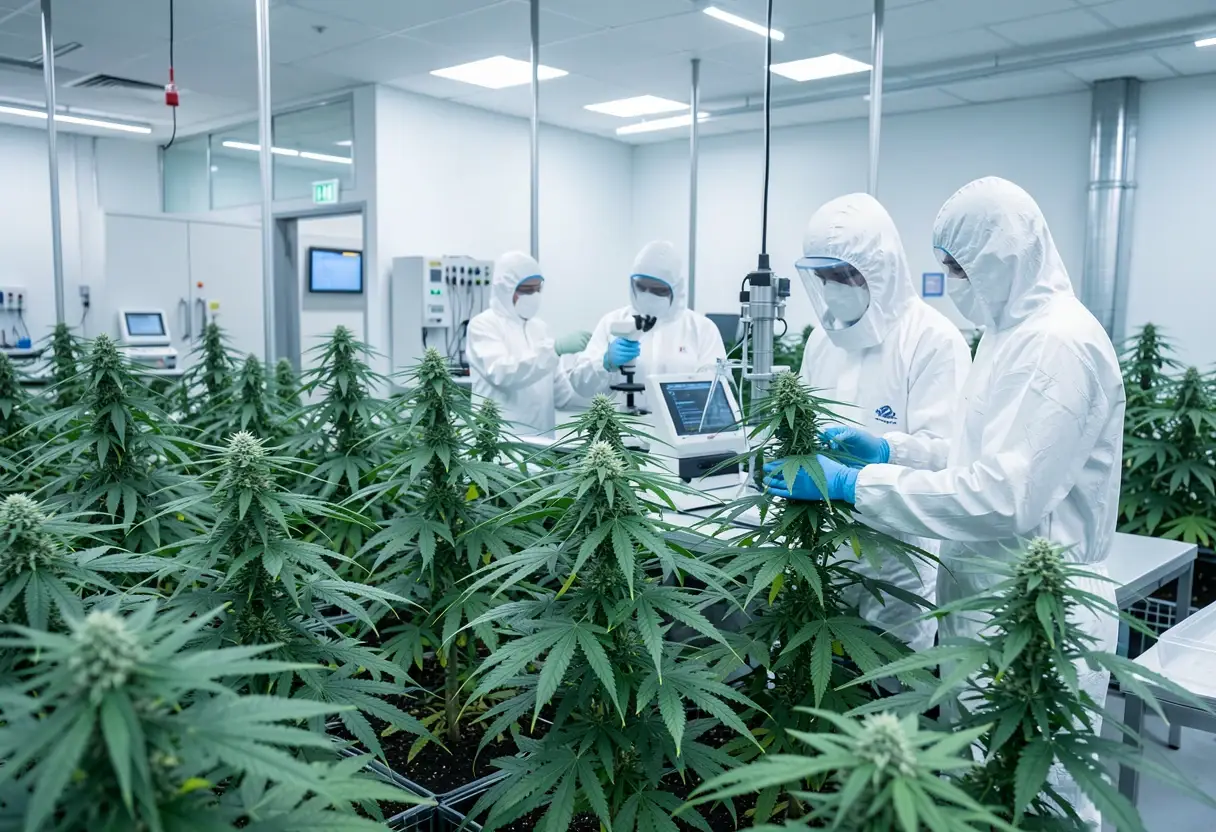
Hemp producers will have to use laboratories registered with the Drug Enforcement Administration (DEA) for federally mandated THC compliance testing beginning in 2027, after the U.S. Department of Agriculture's (USDA) latest enforcement delay expires on December 31, 2026.
The requirement applies to hemp grown under the U.S. Domestic Hemp Production Program, and it has never actually taken effect. The USDA first announced in February 2020 that it would postpone enforcement of the laboratory registration requirement, citing worries that DEA-registered labs were too few to serve hemp producers nationwide. A series of extensions followed, allowing producers to keep using laboratories not registered with the DEA, provided those facilities met all other applicable testing requirements.
The most recent reprieve came on December 23, 2025, when the USDA announced it would extend the enforcement discretion policy for another year.
Why has the deadline kept moving?
The department cited feedback from state and tribal governments and from independent cannabis testing facilities that had run into delays completing the DEA registration process themselves. Federal officials worried that those bottlenecks could leave the country without sufficient approved laboratory capacity for the 2026 growing season.
That rationale frames the core question for lab managers and producers heading into 2027: whether a full year of additional runway has cleared the DEA registration backlog. The USDA's current guidance for hemp testing laboratories states that enforcement discretion remains in place only through December 31, 2026, so the clock is explicit.
What does the testing actually require?
Under federal hemp regulations, producers generally must have crop samples tested to determine whether they comply with the federal limit of 0.3% THC on a dry-weight basis. The testing must also account for the potential conversion of tetrahydrocannabinolic acid (THCA) into THC — a methodological point that raises the measured THC figure relative to a simple delta-9 reading, and one that any lab entering this market must be equipped to handle.
For unregistered laboratories currently serving hemp clients, the practical decision is straightforward: complete DEA registration before the deadline, or lose federally regulated hemp compliance work when the policy lapses. For producers, the change narrows the pool of eligible testing vendors, with capacity concentrated among DEA-registered facilities whose numbers the USDA itself has called insufficient in past years.
A second deadline arrives weeks earlier
The laboratory question does not stand alone. New restrictions on hemp-derived cannabinoid products are scheduled to take effect on December 11, 2026 — just weeks before the laboratory registration enforcement delay expires.
The two requirements are legally separate, but both will bear on hemp businesses entering 2027. Producers could face changes to product eligibility and to the roster of laboratories available to conduct required crop testing at the same time, compounding planning uncertainty across the sector.
What happens next?
As of November 16, the USDA has not announced another extension of the laboratory registration enforcement deadline. Unless the department acts again, the switch to DEA-registered testing becomes mandatory with the 2027 compliance cycle, and the years of postponement that began in February 2020 will come to an end.
via themarijuanaherald.com (Source)
Filed under
- dea-registration
- hemp-testing
- thc-compliance
- usda-policy
More from Priya Raman
Show full bio
Staff writer covering money, funding and market shifts around research and development at Hypothesis Wire.
281 articles
References
- FDA Cannabinoid Data-Sharing Pacts: Six Expired, Two Extended to 2031, New York Joins
- USDA Seeks to Extend Hemp Production Survey, Counting 4,010 Licensed Growers
- Massachusetts Approves Mandatory Lab Retesting in Cannabis Overhaul
- Advocacy Group Pushes Congress for Federal Medical Cannabis Office
- Senate Bill Would Lift Hemp Program Funding 30%, Push FDA on Cannabinoid Pain Drugs