Proceedings · Session S-737 · filed November 16, 2026
Translational ScienceSession paper
Engineered Gut Bacteria Improve Metabolism in Aged Mice
UC San Diego researchers found a bile-acid signature in 125 centenarians; engineered gut bacteria later improved insulin sensitivity and body composition in aged mice.
By Sophie Lindqvist4 min read842 words
Summary
- Human analysis covered 48 young adults, 107 older adults, and 125 centenarians; centenarians showed higher ratios of certain modified bile acids.
- A single treatment with an engineered gut-native bacterium colonized 82-week-old mice and continued producing bile salt hydrolase.
- At about 20 weeks, treated mice had significantly better insulin sensitivity and modestly better glucose tolerance than controls.
- By 32 weeks, treated mice showed changes consistent with lower weight and fat mass and greater lean mass.
- The study did not establish human causation or mouse lifespan extension, and the report did not identify the funding sponsor.
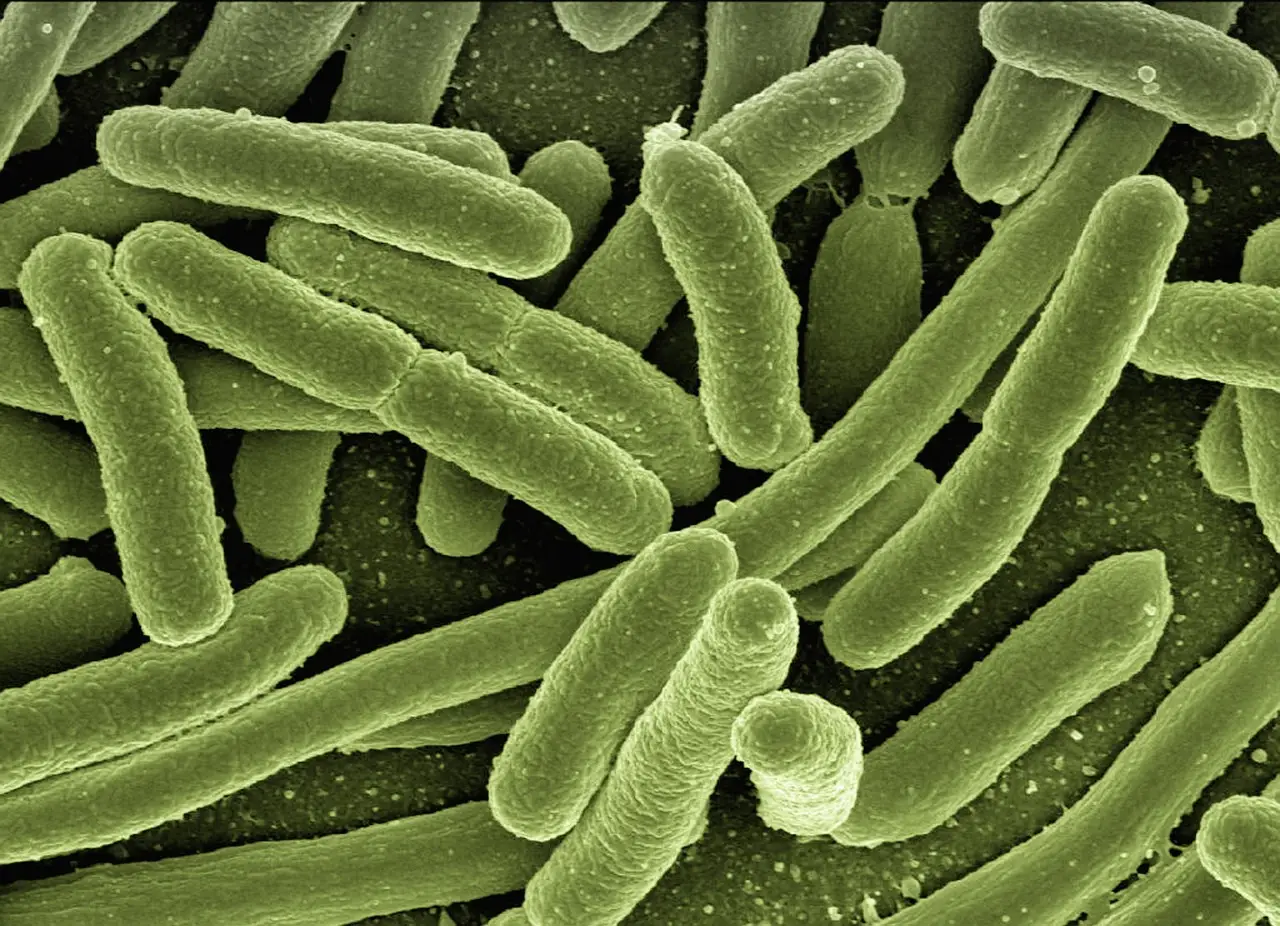
Engineered gut bacteria that continuously produced bile salt hydrolase significantly improved insulin sensitivity in 82-week-old mice after about 20 weeks, according to a UC San Diego study.
The researchers administered 82-week-old mice a single engineered strain native to the gut, designed to colonize and keep producing the enzyme. Treated mice were compared with mice receiving a matched control bacterium.
What changed in the aged mice?
- At about 20 weeks, treated mice showed significantly improved insulin sensitivity and modestly improved glucose tolerance versus controls.
- By 32 weeks, the animals showed changes consistent with lower body weight and fat mass, plus greater lean mass.
- Other readouts pointed to greater use of fat for energy, improved mitochondrial function, and altered gene activity linked to inflammation and the body’s internal clock.
A single treatment resulted in stable colonization, so the engineered bacteria persisted and continued producing bile salt hydrolase over time. The investigators interpreted the combination as supportive evidence that amplifying this microbial function can improve late-life metabolic measures, not that it extends life.
What did the human cohort show?
Before testing engineered bacteria, the team compared young and aged mice and found more microbial activity related to bile salt hydrolase and greater bile-acid modification with aging. The pattern prompted a reanalysis of publicly available human aging data.
The human analysis included bile-acid measurements from 48 young adults, 107 older adults, and 125 centenarians. Centenarians had higher ratios of certain modified bile acids than both younger groups, while their microbiome data showed greater abundance of a gene associated with bile salt hydrolase activity than in older adults.
“Individuals with exceptional longevity show a similar bile acid deconjugation signature, suggesting an association with resilient or exceptional aging,” the researchers wrote. The finding links a human longevity-associated pattern to the function tested in mice; it does not establish that the pattern causes longer life.
Earlier studies had connected age-related microbiome changes with frailty, chronic inflammation, and disease, while other work identified distinctive microbiome features among people who age exceptionally well. The new study tests the possibility that at least one age-related microbial change can be protective rather than uniformly harmful.
What is the underlying mechanism?
The paper, Microbial bile acid deconjugation counters metabolic decline in aging, appeared in Cell Metabolism. Amir Zarrinpar, MD, PhD, the Stuart and Barbara L. Brody Endowed Chair in Circadian Biology and Medicine and professor of medicine at UC San Diego School of Medicine, served as senior and corresponding author.
Gut bacteria produce enzymes called bile salt hydrolases, or BSH, that deconjugate bile acids. The researchers said deconjugated bile acids can regulate host gene expression and signaling involved in metabolism, inflammation, and circadian rhythms. Their broader premise is that selective enhancement of a beneficial microbial function may offer a route to better metabolic health in later life.
Zarrinpar said many aging studies concentrate on what deteriorates, whereas the study suggests some microbiome changes may help preserve metabolic health. He said identifying those functions and strengthening them safely could support healthier aging, a possibility that still requires human testing.
What can the study establish?
The authors classified the human centenarian data as corroborative rather than definitive because centenarians and aged mice are not directly comparable. They also state that increased BSH activity could be a marker of metabolic resilience, a contributor to it, or both. More human studies are needed to distinguish those roles.
The report does not identify the funding sponsor, mouse group size, effect sizes, confidence intervals, statistical thresholds, or whether the human cohort analysis adjusted for confounding. The study also did not show a lifespan extension in mice. Research managers therefore have evidence for a biological target, not a quantified efficacy package.
For portfolio planning, the immediate choice is not wholesale microbiome replacement, which the paper does not test, but functional screening of microbial bile-acid activity. The source supports that narrower path while treating the human data as hypothesis-generating.
Any decision on a therapeutic program would require clearer effect sizes, safety data, replication, and evidence that manipulating BSH improves human metabolic endpoints rather than merely tracking exceptional agers.
What comes next?
Future studies will compare how different forms of BSH affect bile acid metabolism, inflammation, energy use, and other aspects of aging. Researchers will also test whether the effect holds in females, given established sex differences in aging.
The researchers argue for identifying beneficial microbial functions and selectively enhancing them instead of replacing the entire gut microbiome. The strategy remains a research hypothesis, and the study includes no clinical intervention.
“The goal isn’t simply to live longer—it’s to understand the biology that allows some people to remain resilient as they age,” Zarrinpar said. He added that the microbiome may offer a modifiable target and called the study a starting point for testing whether beneficial functions can be amplified.
The next decisive step is human testing that separates increased BSH activity as a marker of resilience from a causal contributor to it, including separate evaluation in females.
via cell.com (Original)
Filed under
- gut-microbiome
- engineered-bacteria
- bile-salt-hydrolase
- metabolic-health
- healthy-aging
More from Sophie Lindqvist
Show full bio
Correspondent covering money, funding and market shifts around research and development at Hypothesis Wire.
242 articles
References
- UCL–AstraZeneca Hybrid Model Cuts Lactate Prediction Error by 30%
- Mayo Clinic Maps 341 Cancer-Linked Gut Microbes Across 1,364 Patients
- MCT1 Identified as Gatekeeper of Cardiac Lactate Energy Pathway
- Scale-Up, Not Discovery, Gates Next Antibiotics: Queensland Review
- Dog Epigenetic Clock from 894 Animals Ties Body Size to Faster Aging