Proceedings · Session S-216 · filed October 28, 2026
Lab Technology & MethodsSession paper
Scale-Up, Not Discovery, Gates Next Antibiotics: Queensland Review
A University of Queensland review argues uncultured microbes and silent gene clusters hold new antibiotics, but production failures, not discovery, block development.
By Priya Raman3 min read527 words
Summary
- Antimicrobial resistance directly caused an estimated 1.27 million deaths worldwide in 2019, according to figures cited in the review.
- An analysis of 50 studies found large-scale expression of natural-product pathways in alternative hosts produced detectable compounds only 11–32% of the time.
- Adding talc microparticles to engineered Streptomyces raised pamamycin output nearly threefold, from 18 to 50 mg/L.
- Teixobactin, discovered via iChip cultivation of Eleftheria terrae, still relies on chemical synthesis because its producer resists conventional growth.
- Ahmed Hamed and Zeinab Khalil of the University of Queensland authored the review.
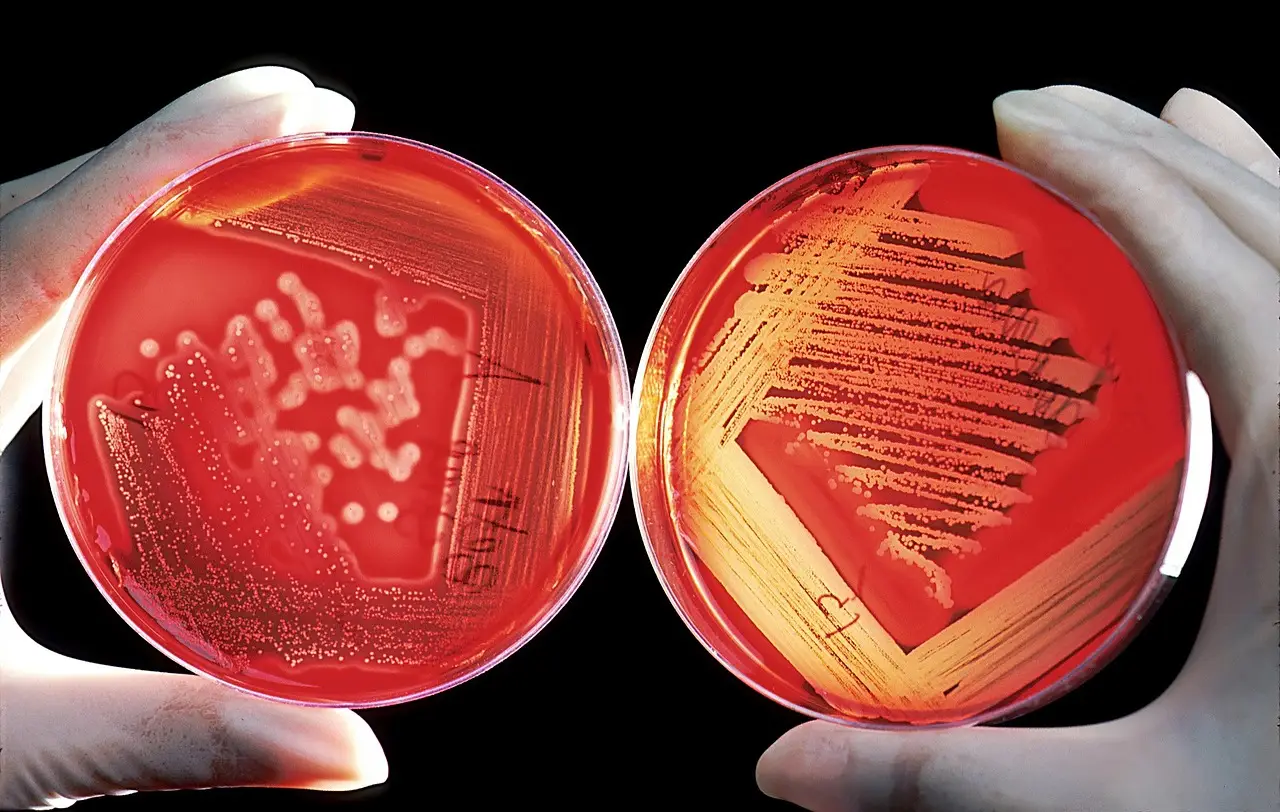
Large-scale attempts to express natural-product pathways in alternative microbial hosts succeed only 11–32% of the time, according to an analysis of 50 studies cited in a new review from the University of Queensland. That figure frames the central argument of Ahmed Hamed, PhD, and Zeinab Khalil, PhD: the bottleneck in antibiotic discovery is no longer finding candidate molecules but making them at scale.
The review, published in a pharmacology journal, opens with the case for expanding the search itself. The authors describe "microbial dark matter" — organisms that resist conventional cultivation, plus silent biosynthetic pathways in familiar microbes that may encode undiscovered natural products. Antimicrobial resistance directly caused an estimated 1.27 million deaths worldwide in 2019, according to figures they cite. Yet traditional screening programs have repeatedly mined the same organisms, particularly Streptomyces, and often rediscovered known compounds rather than new antibiotic structures.
What do the new tools actually deliver?
Genome-mining tools now identify biosynthetic gene clusters — groups of genes responsible for producing specialized molecules — even when the products never appear in laboratory cultures. Metagenomics extends the search to microbes scientists cannot grow at all. Devices that recreate natural environments can bring some of those organisms into cultivation.
Teixobactin illustrates both the promise and the limit. Researchers discovered the antibiotic from Eleftheria terrae, a soil bacterium recovered using an iChip device that cultivates microbes in their native environment. Teixobactin shows activity against several Gram-positive pathogens, but its producer remains difficult to grow conventionally, and the review notes the ongoing reliance on chemical synthesis to supply the compound.
Why does detection not equal production?
"Detection, however, is not production," the researchers write. Their analysis of 50 studies found that moving natural-product pathways into alternative microbial hosts yielded detectable compounds in only 11–32% of large-scale attempts. Several failure modes recur: missing genes, inadequate precursor supply, product toxicity, and poor fermentation performance.
This is where the review places bioprocess engineering at the center of the solution. In one cited study, adding talc microparticles to an engineered Streptomyces culture increased production of pamamycin nearly threefold, from 18 to 50 mg/L. The authors point to three further routes to better yields: reworking pathway regulation, engineering microbial production hosts, and optimizing culture conditions.
Can AI pick the winners?
Artificial intelligence could help researchers choose which gene clusters deserve attention by connecting genomic and molecular features to predicted biological activity. The authors add two caveats. Predictions still require experimental confirmation, and researchers need abundant material to study a promising compound's mechanism and development potential — which returns the problem to production.
What workflow do the authors propose?
Rather than bet on any single platform, Hamed and Khalil envision an iterative workflow that links ecological sampling, genome and metabolome analysis, activity testing, target identification, and scalable production. Each stage feeds the next, and failure at the production stage feeds back into candidate selection.
For R&D managers weighing platform investments, the implication is direct: discovery technologies such as metagenomics and genome mining are necessary but not sufficient. The next antibiotic breakthrough, the review suggests, will depend as much on making a molecule as on finding it.
via sciencedirect.com (Original)
Filed under
- antibiotic-discovery
- antimicrobial-resistance
- natural-products
- bioprocess-engineering
- genome-mining
More from Priya Raman
Show full bio
Staff writer covering money, funding and market shifts around research and development at Hypothesis Wire.
234 articles
References
- CRISPR-Transposon Platform Maps Essential Phage Genes Genome-Wide
- UN Panel Aims to Reset How Evidence Reaches AMR Policymakers
- Mayo Clinic Maps 341 Cancer-Linked Gut Microbes Across 1,364 Patients
- University of Chicago Team Swaps Single Atoms to Speed Drug Discovery
- 10-Pharma Consortium Pooled 2.6 Billion Data Points — and Won