Proceedings · Session S-829 · filed October 10, 2026
Research Funding & PolicySession paper
Federal watchdog: Trump illegally blocked health research funding
A federal government watchdog has determined that the Trump administration illegally blocked health research funding per Forth.News. Specifics on agency, mechanism, and dollar amount remain unpublished.
By Rebecca Stone3 min read618 words
Summary
- Federal government watchdog determined Trump administration illegally blocked health research funding, per Forth.News headline
- Source reporting does not name affected agency, grant mechanism, or dollar amount
- Watchdog findings typically trigger 30 to 60 day compliance review and congressional transmittal
- Standard grantee remedy windows include 30-day administrative appeals through the awarding agency
- Affected research offices should inventory approved-but-unfunded awards from the past 12 months while awaiting the full report
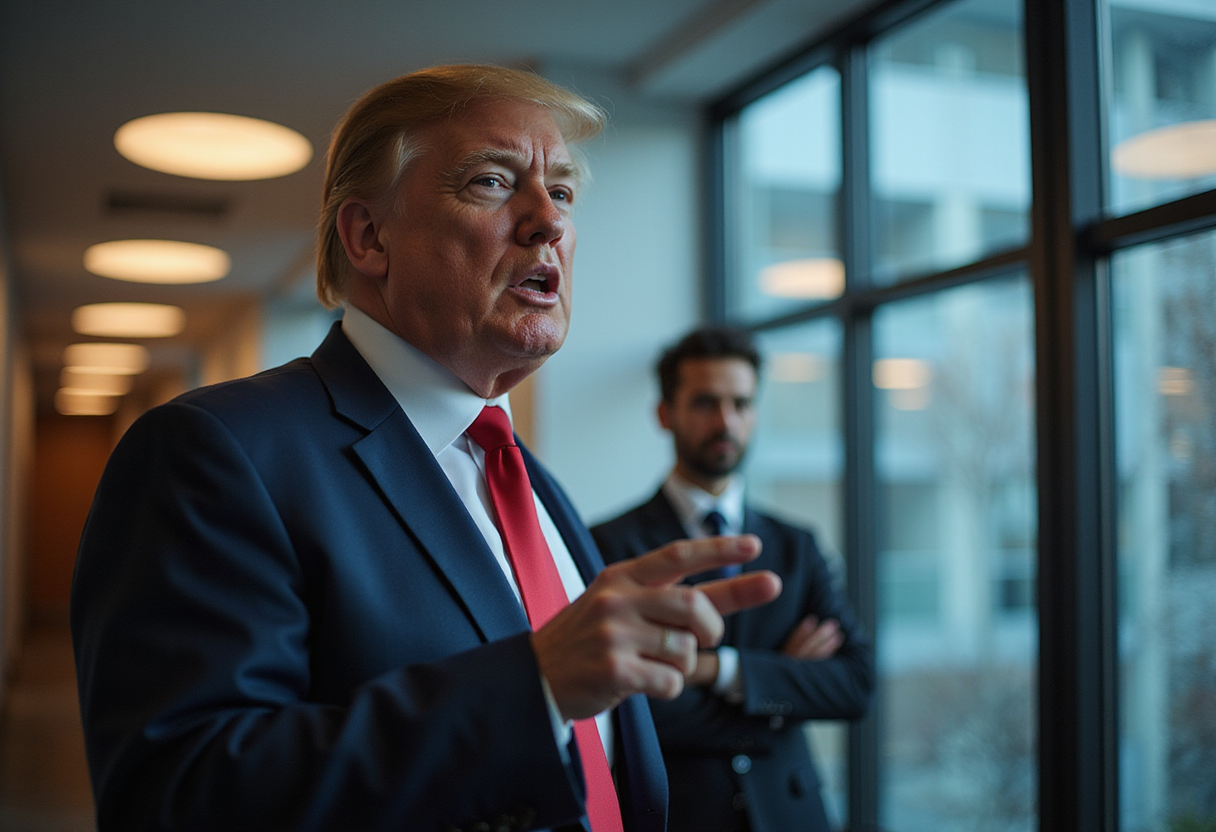
A federal government watchdog has determined that the Trump administration illegally blocked health research funding, according to Forth.News's headline reporting on the ruling.
The Forth.News headline, surfaced through Google News feeds, frames the action as an illegal block without specifying which research agency, grant mechanism, or dollar amount is implicated.
R&D administrators awaiting the underlying report cannot yet assess institutional exposure or trigger formal internal reviews.
The Forth.News coverage will likely update once the watchdog's full report and appendices are released to the press and to congressional committees.
What does the watchdog's finding change?
A government watchdog's determination that an agency acted illegally on funding typically sets three procedural events in motion:
- Required transmittal of the report to Congress, with corrective-action recommendations
- A triggered obligation for the named agency to document the legal basis for withholding obligated funds
- Possible referral to the Department of Justice or the Office of Management and Budget for further review
Under federal grants-management guidance, agencies that withhold obligated funds must provide written justification and offer grantees an administrative appeal path. Research offices should expect notice from any implicated agency within 30 to 60 days if the finding prompts an internal compliance review.
The precise scope of "obligated funds" — whether it covers only signed awards or extends to merit-reviewed applications awaiting award — shapes how aggressive grantees can be in seeking release.
Which research programs fall within scope?
The Forth.News headline does not identify any of the following:
- The awarding agency among federal research funders (such as NIH, NSF, CDC, ARPA-H, or BARDA)
- The grant mechanism (research project grant, cooperative agreement, or contract)
- The size of the affected portfolio in dollars or award count
- Whether active awards, pending competitive applications, or supplemental requests were targeted
Without those parameters, sponsored-research offices cannot determine whether their institution holds an unfunded or partially funded award within scope. Universities receiving the bulk of federal health-research dollars — typically R1 institutions with annual federal research expenditures exceeding $500 million — should treat the headline as a flag rather than a confirmed action item.
What recourse exists for affected investigators?
Federal grant law provides several remedies once a watchdog cites illegal withholding. Investigators generally pursue them in sequence:
- File an administrative appeal through the awarding agency's grants-appeal office, typically within 30 days of any written denial
- Petition the Government Accountability Office for a binding written decision under its audit authority
- Seek judicial review in federal district court after administrative remedies exhaust
The choice of remedy depends on whether the underlying report recommends a specific monetary remedy. Most watchdog findings stop at procedural recommendations; court challenges generally require a documented injury-in-fact claim. The timing of the report's release relative to a grant's fiscal-year obligation deadline will determine how quickly a research office can act.
How should R&D managers prepare now?
Until the full report publishes, research administrators can take four preparatory steps:
- Ask principal investigators to inventory approved-but-unfunded awards from the past 12 months
- Request current obligation status from program officers in writing
- Document any hold actions with timestamps, agency correspondence, and decision memoranda
- Notify institutional counsel if any active award lacks an obligated fund code in the grants management system
Preparation now will shorten the response window once the report appendix publishes, and may surface awards that the institution itself had not flagged as at risk.
What's next?
The Forth.News headline signals an ongoing story whose specifics remain to be released. Research administrators should monitor congressional oversight committee schedules and agency grant-policy notices for downstream guidance on any released obligations in the next funding cycle.
via Google News: Research funding & science budgets (Source)
Filed under
- federal-research-funding
- research-grants
- health-research
- research-administration
- government-oversight
More from Rebecca Stone
Show full bio
Market editor covering marketplaces and e-commerce at Hypothesis Wire.
183 articles
References
- Watchdog Finds Health Research Funding Block Broke the Law
- Congress passes delay of Trump research funding overhaul
- Researchers Press Congress Over Trump's Dismissal of Funding Agency Board
- Trump seeks White House control of federal health-research funding
- Trump Moves to Take Direct Control of Health-Research Funding