Proceedings · Session S-576 · filed October 10, 2026
Research Funding & PolicySession paper
Researchers Press Congress Over Trump's Dismissal of Funding Agency Board
Scientists have escalated Trump's dismissal of a federal funding agency board to Congress, arguing the move threatens the independence of US research grantmaking.
By Rebecca Stone3 min read536 words
Summary
- US scientists are pressing Congress over President Trump's dismissal of a federal funding agency's board, The New York Times reports.
- Researchers argue the dismissal threatens the independence and integrity of the federal grantmaking process.
- The appeal targets Congress, which controls appropriations and oversight of federal science agencies.
- The report indicates no formal congressional response has been scheduled so far.
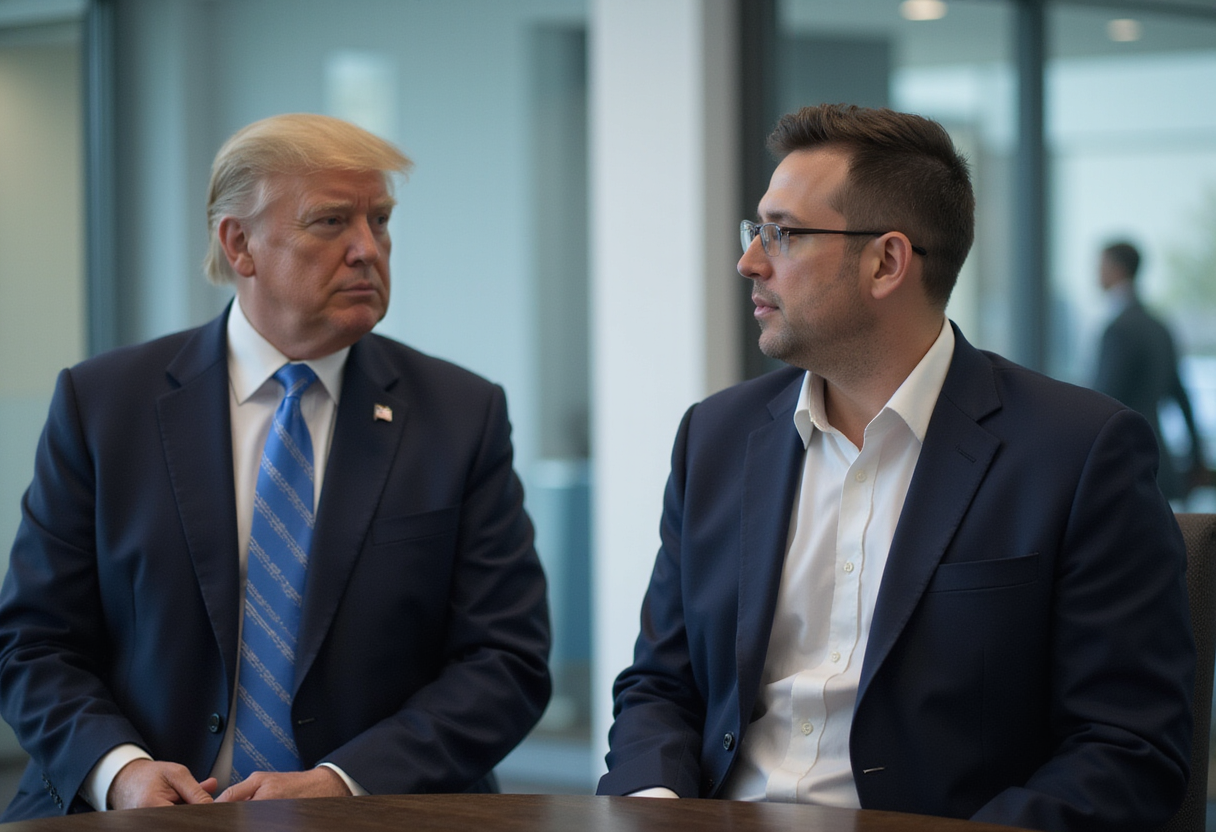
US scientists have taken their dispute over President Trump's dismissal of a federal funding agency's board directly to Congress, according to a New York Times report — a move that puts the leadership structure of a key research funder into political play with direct consequences for grant pipelines.
The report describes researchers pressing congressional lawmakers to respond to the president's removal of the board that governs a federal funding agency. For R&D managers, the significance is procedural rather than rhetorical: boards at federal science funders oversee grantmaking priorities, conflict-of-interest rules and the review apparatus that labs depend on when they submit proposals.
What the intervention signals is that affected researchers no longer view agency-level channels or public statements as sufficient. Congress controls appropriations, and any effort to reverse or constrain a presidential dismissal runs through the legislative branch — hence the escalation described in the Times report.
What does the dismissal change for grantees?
The reporting centers on the governance question: who holds authority over a funding agency's direction when its board has been removed by the executive. The scientists pressing Congress are effectively arguing that the dismissal disrupts the normal oversight chain under which funding decisions are made and defended.
The New York Times coverage frames the episode as part of a broader tension between the administration and the scientific establishment. The researchers' decision to lobby Congress rather than litigate or wait out the administration indicates they see statutory or budgetary leverage — the tools lawmakers hold — as the most viable route to restoring or replacing the board.
For university research offices and corporate R&D groups with federal awards, the practical watch items are straightforward:
- Whether congressional committees respond with hearings, letters or funding conditions tied to the agency's governance
- Whether the agency continues issuing awards and processing reviews while its board sits vacant
- Whether the dismissal sets a precedent for other federal science funders' oversight structures
How did scientists frame their appeal?
According to the Times, the scientists cast the dismissal as a threat to the integrity of the funding process rather than a routine personnel matter. Their appeal to Congress rests on the argument that independent boards exist to insulate grant decisions from political direction — a structure labs and principal investigators rely on when they budget multi-year projects around federal awards.
The report does not indicate that Congress has yet scheduled any formal response, nor does it specify what remedial action — reinstatement, statutory protection for board members, or appropriations language — the researchers are explicitly demanding.
Why this matters for portfolio planning
R&D managers with federally funded programs should treat the episode as a governance risk indicator rather than an immediate funding cut. Board dismissals do not by themselves halt obligating funds, but they shift who sets priorities at the agencies that underwrite a large share of US academic and applied research.
The scientists' congressional strategy also signals how the research community plans to contest future administrative actions: through appropriations and oversight mechanics, with lawmakers as the pressure point.
The New York Times report suggests the confrontation between the administration and the scientific community will continue to play out through Congress in the coming months.
via Google News: R&D funding (Source)
Filed under
- science-policy
- federal-research-funding
- congress
- research-governance
- trump-administration
More from Rebecca Stone
Show full bio
Market editor covering marketplaces and e-commerce at Hypothesis Wire.
183 articles
References
- Congress Rolls Back Most of Trump's Proposed Science Funding Cuts
- Scientists Call Federal Move on Research Funding a 'Power Grab'
- Researchers Swamp OMB With Comments on Grant-Control Proposal
- Federal Research Funding Slows Again at Universities in White House Crosshairs
- Trump administration to shift R&D funds to individual scientists