Proceedings · Session S-347 · filed September 30, 2026
Research Funding & PolicySession paper
Trump Moves to Take Direct Control of Health-Research Funding
President Trump is seeking direct control of health-research funding, Politico reports, a move that would restructure federal biomedical grant-making worth tens of billions annually.
By Rebecca Stone3 min read663 words
Summary
- Politico reported on Tuesday that President Trump seeks to bring health-research funding under his direct control.
- No mechanism — executive order, budget restructuring or grant conditions — has been specified in the report.
- Federal health research funding, led by NIH, anchors lab payrolls and multi-year study budgets at US research institutions.
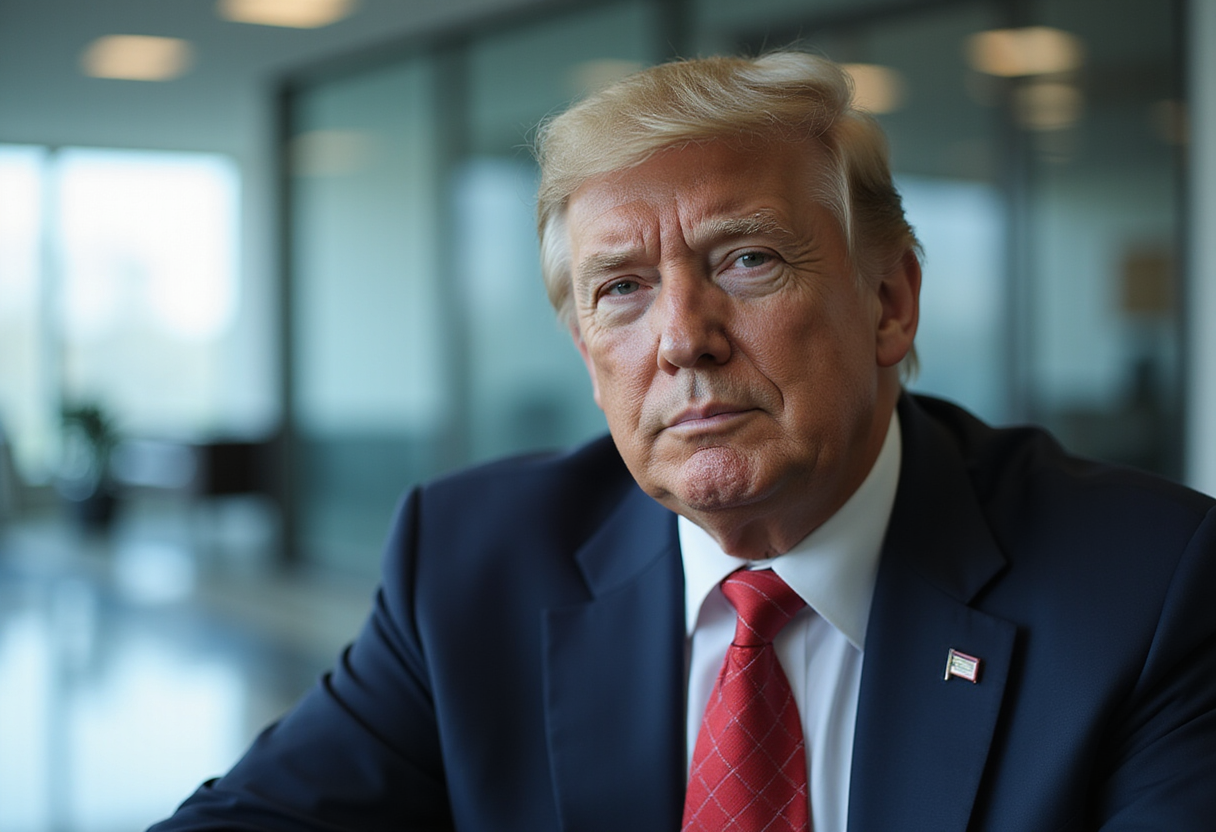
President Donald Trump is seeking to bring health-research funding under his direct control, Politico reported on Tuesday, a move that, if carried out, would restructure how the federal government disburses tens of billions of dollars in biomedical research grants each year.
The report, picked up by U.S. News & World Report, gives few operational details at this stage. What it establishes is a stated intent at the White House to centralize authority over health-research funding decisions that Congress has traditionally insulated from direct executive control through statutory funding formulas, peer review and standing appropriations.
For R&D managers at universities, hospitals and independent research institutes, the stakes are straightforward. Federal health agencies — principally the National Institutes of Health, the world's largest public funder of biomedical research with an annual budget in the tens of billions of dollars — operate through competitive grants that anchor lab payrolls, equipment purchases and multi-year study budgets. Any shift of award authority toward direct presidential control would insert a political layer into a process that investigators currently plan around as quasi-contractual: a grant awarded is a grant budgeted.
What the report does and does not establish
The Politico account should be read as a report of intent, not a completed policy. It does not specify the mechanism the administration intends to use — whether executive order, budget restructuring, personnel changes at funding agencies, or new conditions attached to grant awards. Each route carries a different legal exposure and a different timeline, and several would face near-certain litigation on separation-of-powers grounds.
That distinction matters for portfolio planning. A proposal that requires congressional cooperation would move on an appropriations calendar measured in quarters. Unilateral executive actions, by contrast, have in recent years produced rapid hiring freezes, grant disbursement pauses and communication restrictions at federal science agencies — disruptions that arrived within days of signature and were resolved, when they were resolved, only after weeks or months of court proceedings.
Direct implications for lab workflow
Research administrators should treat the report as a prompt for three immediate checks. First, cash-flow exposure: how many active awards draw from federal health agencies, and what fraction of institutional research revenue do they represent. Second, notice-period risk: standard federal grant terms allow agencies to modify or terminate awards, and institutions with heavy concentration in a single funding source have the least buffer. Third, reporting and compliance posture: any centralization of funding authority historically arrives with tightened conditions on how awards are used and documented.
Institutions that weathered prior funding disruptions most cleanly were those with pre-approved bridge-financing lines and documented contingency plans for pausing and restarting studies without losing cohorts, animals or instrument calibration.
Political context, measured cautiously
The reported push fits a broader pattern of this administration asserting direct authority over federal scientific agencies, but the Politico report itself is a single, anonymously sourced account of internal intentions. Plans at this stage of an administration frequently shift before publication of any formal directive. The absence of named officials, draft documents or agency briefings in the public record means researchers should monitor primary sources — the Federal Register, agency grant portals and official budget releases — rather than act on the headline alone.
What to watch
The next concrete signals will be structural, not rhetorical: the appointment or reassignment of officials with grant-approval authority, any pause in study-section meetings or advisory-council approvals at funding agencies, and the fiscal-year budget request for federal health research, which will show whether the White House seeks to shrink the pool it is contesting control over or redirect it toward administration priorities.
Until a mechanism appears in writing, the prudent read is that a political trial balloon has been raised over one of the largest research-funding systems in the world — and that grantee institutions with concentrated federal exposure should stress-test their budgets against a scenario in which award decisions become slower, more conditional and more politically variable.
via Google News: Research funding & science budgets (Source)
Filed under
- nih
- biomedical-research-funding
- federal-grants
- research-policy
- grant-administration
More from Rebecca Stone
Show full bio
Market editor covering marketplaces and e-commerce at Hypothesis Wire.
80 articles
References
- Trump Moves to Bring Health-Research Funding Under Direct White House Control
- Trump Moves to Bring Health-Research Funding Under Direct Control
- White House Moves to Take Direct Control of Health-Research Funding
- White House Moves to Take Direct Control of Health Research Funding
- White House Moves to Consolidate Health Research Oversight