Proceedings · Session S-655 · filed September 29, 2026
Research Funding & PolicySession paper
White House Moves to Take Direct Control of Health Research Funding
Politico reports the Trump administration wants to bring health-research funding under direct White House control, a shift that would reshape NIH grant decisions and lab budget planning.
By Rebecca Stone3 min read651 words
Summary
- Politico reports the Trump administration is seeking to bring health-research funding under direct presidential control.
- The mechanism, timeline and legislative requirements for the change remain unspecified in the reporting.
- The move would affect NIH, the world's largest public funder of biomedical research, at a time of grant terminations and indirect-cost restructuring.
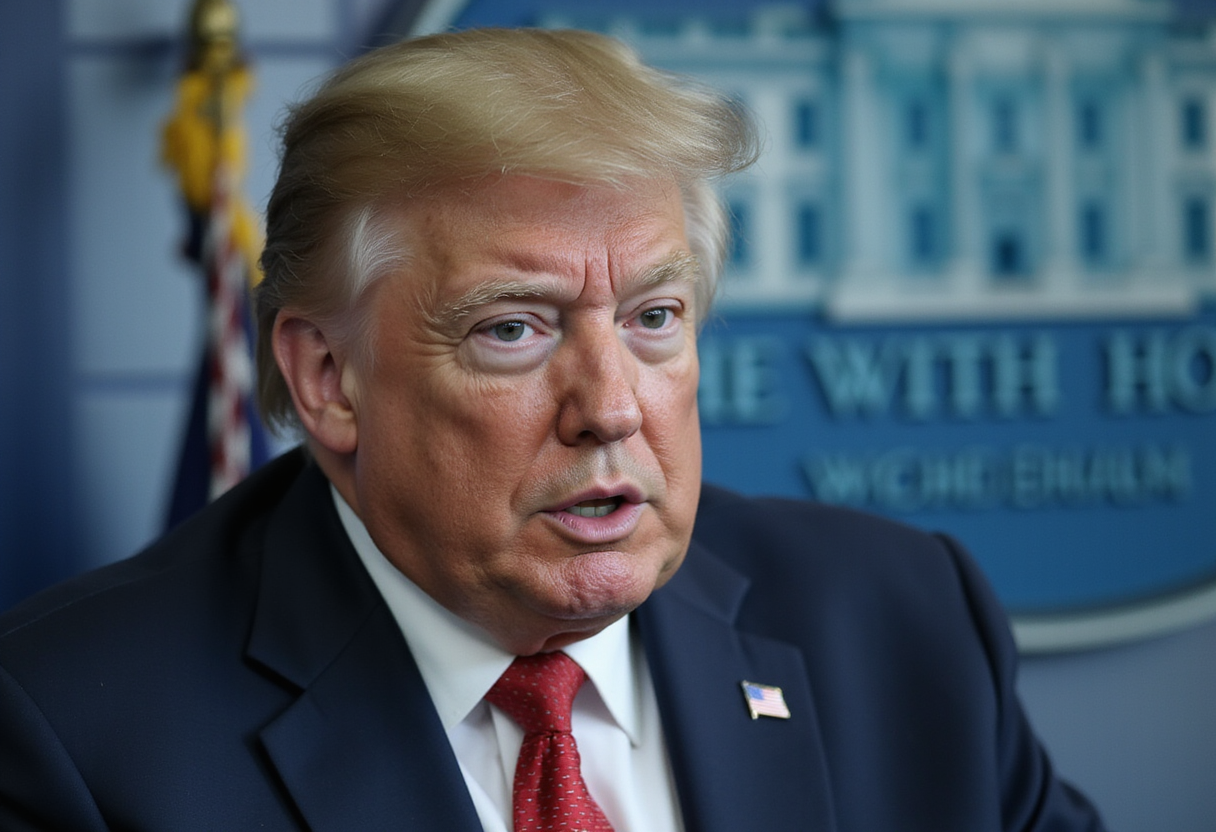
President Donald Trump's administration is seeking to bring health-research funding under direct White House control, Politico reported, a move that would restructure how tens of billions of dollars in federal biomedical grants reach laboratories across the United States.
The report, published by Politico and carried by TradingView's news feed, describes an effort to consolidate authority over health research spending that currently flows through the National Institutes of Health and other federal science agencies. For R&D managers at university labs and independent research institutes, the stakes are direct: NIH is the largest single public funder of biomedical research in the world, and any shift in who signs off on grants changes both timelines and risk profiles for multi-year programs.
According to Politico's account, the administration wants to move the funding decision-making process closer to the president's own political apparatus rather than leaving it to the peer-review structures and career science administrators that have historically governed NIH awards. The reporting does not specify which legislative or administrative mechanisms the White House intends to use, nor does it give a timeline for implementation.
The proposal arrives amid an already turbulent period for US biomedical funding. Researchers have faced grant terminations, delayed study sections and restructuring of indirect-cost reimbursements since the start of Trump's second term. University research offices have reported that abrupt changes to overhead rates alone forced budget revisions across hundreds of active awards, and lab leaders have had to model scenarios ranging from flat funding to outright cancellation of clinical and basic-science programs.
If the administration succeeds in centralizing funding authority, the immediate practical question for grant holders concerns continuity. Multi-year NIH awards — typically R01s running three to five years — are built on the assumption that congressionally appropriated money reaches grantees through an apolitical review process. Moving final decisions into the White House would insert a political layer between peer review and payment, a structure that research administrators would need to price into every new application.
Politico's report does not state whether Congress would need to approve the change. Federal research funding is set through appropriations law, and previous administrations that attempted to redirect science spending — through budget proposals or reorganization plans — generally required legislative action. The article also does not quantify how many existing awards, dollars or institutions the shift would cover, leaving the full scope of the plan unclear.
Historical context matters here. The NIH grant system has operated with statutory insulation from direct political direction since its postwar expansion, a design intended to protect research priorities from electoral cycles. Efforts to shorten that leash — from earmarks to proposed block grants — have typically met resistance from both parties, in part because the current system distributes money across districts in every state.
For portfolio planning purposes, the report adds a new variable to an already crowded risk register. R&D executives at institutions dependent on federal health dollars may want to stress-test assumptions about renewal rates, award durations and reporting requirements. Those with diversified funding — industry partnerships, foundation grants, philanthropic endowments — hold more options than those with concentrated NIH exposure.
The reporting itself carries limits worth noting. Politico cites unnamed sources familiar with the administration's plans, and the piece is a single-outlet account of intentions rather than a published policy document. Whether the effort results in formal legislation, executive action or remains a floated proposal will determine its actual effect on the roughly $48 billion NIH budget and the more than 300,000 researchers the agency's funding supports.
Watch for concrete signals in the coming weeks: a formal budget request, an executive order draft, or statements from the Department of Health and Human Services. Until one of those appears, the report stands as an indication of intent — significant, but not yet a done deal for anyone building a lab budget on federal money.
via Google News: Research funding & science budgets (Source)
Filed under
- nih
- research-funding
- biomedical-research
- science-policy
- federal-grants
More from Rebecca Stone
Show full bio
Market editor covering marketplaces and e-commerce at Hypothesis Wire.
80 articles
References
- White House Moves to Take Direct Control of Health-Research Funding
- Trump Moves to Bring Health-Research Funding Under Direct Control
- Trump Moves to Take Direct Control of Health-Research Funding
- Trump Moves to Bring Health-Research Funding Under Direct White House Control
- Pentagon Is Redirecting NIH Research Funding, DeLauro Says