Proceedings · Session S-189 · filed November 5, 2026
Research Funding & PolicySession paper
DOE Opens Fusion Voucher Program to Consortia and Pilot-Plant Reviews
DOE's INFUSE program awarded $8.5 million across 28 fusion projects and will accept consortium partnerships and pilot-plant design reviews in fiscal 2027. Applications close Dec. 13.
By Amara Osei4 min read713 words
Summary
- DOE awarded $8.5 million to 28 INFUSE projects in fiscal 2026, up from $6.1 million for 20 projects in fiscal 2025.
- Applications for the fiscal 2027 round close Dec. 13, two days after the current continuing resolution expires.
- Individual awards typically run $100,000 to $500,000, with companies covering at least 20% of project costs.
- Lawrence Livermore National Laboratory joins ORNL and Princeton Plasma Physics Laboratory in running INFUSE.
- DOE's fiscal 2027 budget request seeks $135 million for fusion public-private partnerships, up from $100 million.
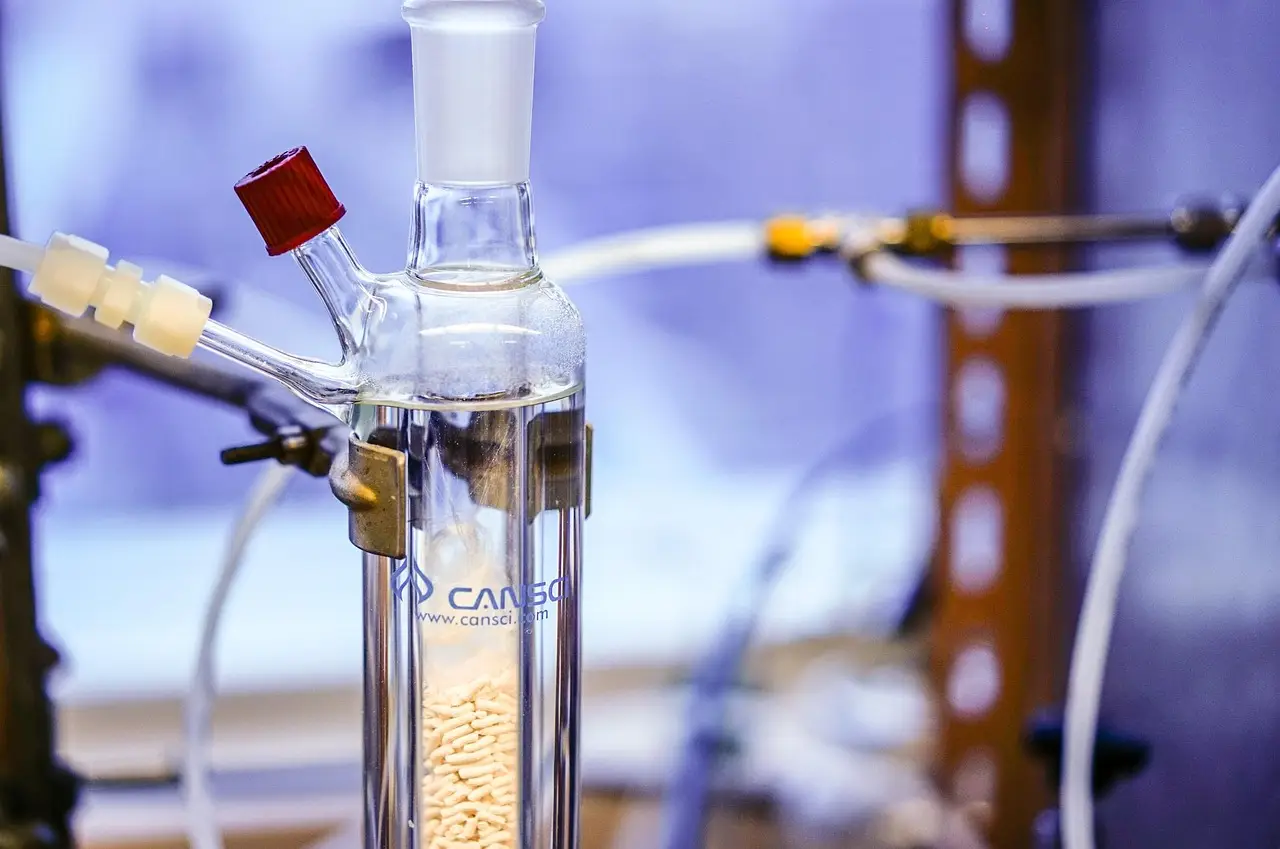
The Department of Energy has awarded $8.5 million to 28 fusion projects through its Innovation Network for Fusion Energy, a 39% increase over last year's $6.1 million, and the program's fiscal 2027 call will for the first time accept applications from companies partnering with consortia of national laboratories and universities. Applications close Dec. 13 — two days after the continuing resolution now funding the government expires on Dec. 11.
The Nov. 2 award announcement selected 17 laboratory-led and 11 university-led projects, working with 22 private fusion companies. Each project receives $100,000 to $500,000 over one to two years, pending DOE negotiation. Ten awards went to nine companies participating in INFUSE for the first time.
For R&D managers, the structure matters as much as the totals. INFUSE pays the partner laboratory or university directly; the company must cover at least 20% of total project costs. The fiscal 2027 call raises the bar for one category, strongly encouraging a cost share of 50% or more for pilot-plant design reviews.
What is in this year's portfolio?
Project topics span high-temperature superconducting magnets, reactor materials, diagnostics, and fusion fuel production and handling. The program has now funded more than 150 projects since its launch in 2019, with annual budgets climbing from $4.6 million across 17 projects in 2024 to this year's $8.5 million.
Two projects illustrate the workflow logic. Oak Ridge National Laboratory and the Electric Power Research Institute will consolidate records on irradiated samples from ORNL's High Flux Isotope Reactor into a single searchable catalog; those records currently sit scattered across experiment files, inventory systems and old reports. The value here is data infrastructure, not new measurement.
The second addresses a supply-chain bottleneck. SuperPower — which ORNL describes as one of the few U.S. producers of rare-earth barium copper oxide superconducting wire — will work with ORNL on laser deposition targets, the material vaporized by lasers to coat the company's wire. The stated goal is production scale-up, though neither ORNL nor DOE quantified current or target output.
What changes in the fiscal 2027 call?
The new call allows companies to partner with consortia of laboratories and universities rather than single institutions. It also adds a review topic for early fusion pilot-plant designs.
That addition carries portfolio significance. It could give companies outside DOE's Milestone-Based Fusion Development Program — which pays companies only as they hit agreed technical and business milestones toward a pilot plant — a route to formal laboratory review of their designs. Whether such reviews carry weight with private investors or regulators remains untested.
The program also has new management. Arturo Dominguez arrives as incoming director, and Lawrence Livermore National Laboratory joins ORNL and Princeton Plasma Physics Laboratory in running INFUSE.
"Through INFUSE, companies can access capabilities that would be difficult or time-consuming to build on their own, while the public institutions gain a clearer view of the technical barriers most critical to commercialization," Dominguez said in ORNL's release.
The claim is plausible but worth quantifying: a $100,000-to-$500,000 award buys limited laboratory time, and DOE considers larger requests only for work of critical value to a company. No breakdown of how often such exceptions occur appears in the announcement.
How does this fit DOE's budget?
DOE's fiscal 2027 budget request seeks $135 million for fusion public-private partnerships, up from $100 million. The department intends to direct the increase toward the Milestone program, research at private companies' fusion facilities, and a new Fusion Bringing Regional Investments to Develop and Grow Fusion Engines program, which would fund regional consortia building test stands.
All of that remains subject to congressional appropriations. The government is operating under a continuing resolution through Dec. 11, and the INFUSE deadline lands 48 hours later — a scheduling overlap that could compress application timelines if the stopgap lapses or another short-term extension passes.
For fusion companies weighing whether to apply, the arithmetic is straightforward: consortium partnerships and design reviews expand eligibility, but the 50% cost-share expectation for reviews makes that route substantially more expensive than a standard voucher. The fiscal 2027 results will show whether companies judge the laboratory stamp worth the price.
via infuse.ornl.gov (Original)
Filed under
- fusion-energy
- infuse-program
- public-private-r-d
- pilot-plant-design-reviews
- research-funding
More from Amara Osei
Show full bio
News editor covering money, funding and market shifts around research and development at Hypothesis Wire.
228 articles
References
- Commerce Pledges $389M for AI and Fusion Power Semiconductor R&D
- DOE opens $400 million basic research funding solicitation
- Commerce Commits Up to $389m in CHIPS R&D Funding for Fusion and Computing Power Chips
- DOE’s $15 million accelerator plan shifts to large teams
- DOE Opens $41 Million Lab Call to Push Technologies Toward Market