Proceedings · Session S-714 · filed October 30, 2026
Research Funding & PolicySession paper
Commerce Commits Up to $389m in CHIPS R&D Funding for Fusion and Computing Power Chips
Commerce signs LOIs worth up to $389m via the CHIPS R&D Office: Helion gets $175m, CFS $85m, Vertical Semiconductor $73m and Sibelco $56m — each award carries a non-voting equity stake.
By Priya Raman3 min read610 words
Summary
- US Commerce Department signed four LOIs worth up to $389m in CHIPS R&D funding for power semiconductors.
- Helion receives up to $175m, with over $100m for packaging R&D in Everett, Washington and $80m for tooling and process development.
- CFS receives $85m; its 400MW ARC reactor targets grid delivery in the early 2030s with a 200MW Google PPA.
- Vertical Semiconductor (MIT spin-out, 2024) gets up to $73m for GaN power semiconductors; Sibelco gets up to $56m for ultra-high-purity quartz.
- Commerce takes a minority, non-controlling, non-voting equity stake in each company as a condition of the awards.
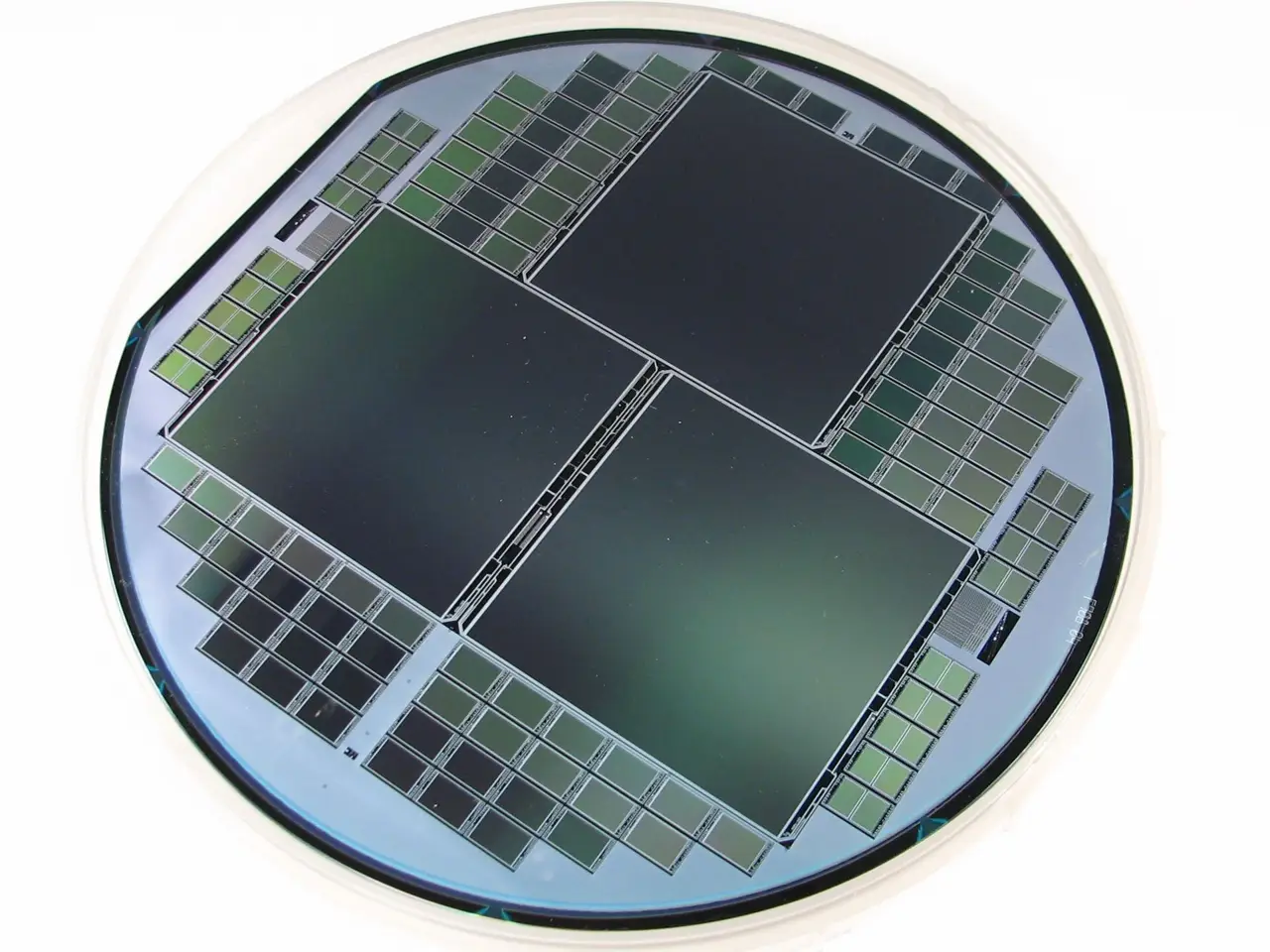
The US Department of Commerce has signed four Letters of Intent worth up to $389 million in federal R&D awards to develop semiconductors and power delivery systems, with the largest single share — up to $175 million — going to Microsoft-backed fusion developer Helion.
The awards, routed through the CHIPS Research and Development Office, carry an unusual condition: the Department will receive a minority, non-controlling, non-voting equity stake in each recipient company.
Secretary of Commerce Howard Lutnick framed the move in supply-chain terms. "The Trump Administration is accelerating American semiconductor innovation to enhance our domestic energy and power resources," Lutnick said. "These investments expand domestic research, secure critical supply chains, and create high-paying American jobs."
Where does the money go?
The four awards break down as follows:
- Helion — up to $175m for high-voltage power semiconductors and advanced energy power modules built for high-peak-current pulsed-power applications in fusion power generation. Helion says the chips will power, control and harvest energy from the magnets driving its fusion generators.
- Commonwealth Fusion Systems — $85m for semiconductor technologies for robotic maintenance systems that improve ARC plant performance, and for improved radio-frequency power generators supporting commercial fusion.
- Vertical Semiconductor — up to $73m to advance gallium nitride (GaN) power semiconductors for more efficient, compact power delivery in advanced computing.
- Sibelco — up to $56m for next-generation purification and finishing technologies for ultra-high-purity quartz used in crystal growth crucibles, processing glassware and other hardware across the semiconductor value chain.
Helion's internal allocation is specified: more than $100 million will support semiconductor and advanced packaging R&D in Everett, Washington, with a further $80 million earmarked for next-generation semiconductor tooling, design and process development.
Helion CEO David Kirtley tied the federal award to a private co-investment. "Building fusion power plants at scale requires us to accelerate the development of technologies like semiconductors that are critical to making fusion possible," Kirtley said. "This award, combined with additional private investment, totaling $225 million, will allow Helion to develop and manufacture advanced semiconductors here in the United States that deliver the efficiency, reliability, and performance our systems require. It's an important investment in both America's semiconductor manufacturing base and the future of commercial fusion."
What does this mean for commercial fusion timelines?
CFS, which is backed by Google, offers the most concrete commercial anchor among the awardees. Its proposed ARC reactor is expected to deliver electricity to the grid in the early 2030s, with a planned capacity of 400MW. Google committed last year to offtake 200MW from the plant under a long-term Power Purchase Agreement.
CFS CEO and co-founder Bob Mumgaard positioned the award against that deployment goal. "This award marks an important opportunity to drive development of semiconductors and power electronics unique to the fusion industry," Mumgaard said. "These innovations will be a vital part of our global effort to deploy commercial fusion."
Who are the smaller awardees?
Vertical Semiconductor, co-founded by Josh Perozek, Cynthia Liao and Tomas Palacios in 2024, is an MIT spin-out built on research from MIT's Palacios Group, a GaN research lab. Its award targets power delivery for advanced computing rather than fusion.
Sibelco, an industrial minerals firm specializing in mining and processing silica, sits furthest upstream in the stack. Its funding addresses ultra-high-purity quartz — a material input rather than a device — which the company says will strengthen domestic semiconductor supply chains.
All figures cited remain award ceilings under Letters of Intent rather than disbursed amounts, and the equity-stake structure signals that Commerce intends to retain a financial interest as these programs mature.
via Google News: R&D funding (Source)
Filed under
- chips-r-d
- semiconductor-r-d
- fusion-energy
- gallium-nitride
- federal-funding
More from Priya Raman
Show full bio
Staff writer covering money, funding and market shifts around research and development at Hypothesis Wire.
243 articles
References
- Commerce Pledges $389M for AI and Fusion Power Semiconductor R&D
- Commerce backs 9 quantum firms with new funding incentives
- US Takes Equity Stakes in Quantum Firms Under $300M CHIPS Deal
- DOE Opens $12M Funding Round for Space-Grade Photovoltaics
- NSF Commits $100M to National Quantum and Nanotechnology Research Infrastructure