Proceedings · Session S-834 · filed November 5, 2026
AI & Emerging Tech in R&DSession paper
Ames Lab Bets on Physics-Informed AI to Break the Materials Bottleneck
Ames National Laboratory validated AI magnetic-property predictions with cerium-zirconium-iron alloys, and now extends the approach to fusion alloys and cobalt recovery.
By Priya Raman3 min read677 words
Summary
- Ames researchers validated AI-predicted magnetic properties, including Curie temperature, through synthesis of cerium-zirconium-iron alloys.
- The lab is developing DuctGPT, an agentic AI platform combining electronic-structure knowledge, machine learning and LLMs to screen fusion structural alloys.
- An AI-enabled platform integrates synthetic biology and molecular modeling to recover cobalt from mine tailings and wastewater.
- Ames is exploring battery-grade graphite production from post-consumer textiles and contributed to DOE's CM2US initiative under the Genesis Mission.
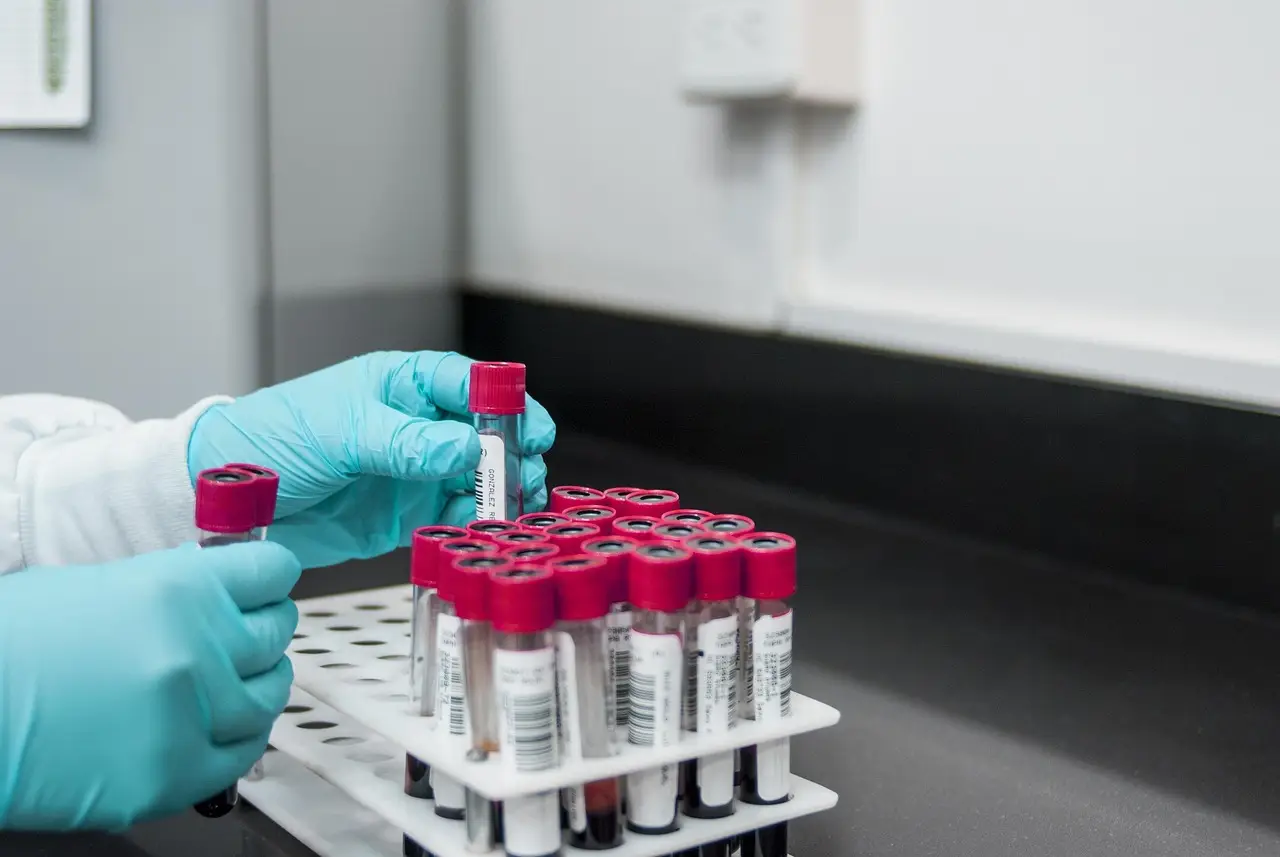
Researchers at Ames National Laboratory have validated AI predictions of magnetic properties through the synthesis and experimental characterization of cerium-zirconium-iron alloys, a concrete checkpoint in a program to develop rare-earth-lean permanent magnets for electric vehicles, wind turbines, robotics and defense. The laboratory is now extending the same physics-informed approach to fusion reactor alloys and the recovery of cobalt from mine tailings, betting that machine learning can compress a materials discovery cycle that historically spans years or decades.
The stakes are structural rather than academic. High-performance permanent magnets depend on rare earth elements with supply chains exposed to geopolitical pressure, and domestic processing capacity remains limited. At the same time, fusion energy requires structural materials that survive extreme temperatures and intense neutron irradiation, while demand for cobalt and other critical minerals outpaces conventional mining. Ames researchers describe their goal as "magnet sovereignty" — the ability to reliably produce high-performance magnets domestically while balancing performance, cost, manufacturability and supply-chain resilience.
How the AI models are built and tested
The magnet program integrates experimental data with quantum-mechanical simulations to train and fine-tune physics-informed AI models and domain-specific large language models. These systems predict key magnetic properties, including the Curie temperature, above which ferromagnetic ordering disappears. The cerium-zirconium-iron alloy work served as the experimental validation of those predictions, and the team's roadmap now layers first-principles simulations with practical constraints on cost and material availability to prioritize candidate compositions before committing laboratory resources to synthesis.
The claim is measured rather than speculative. Ames reports validated property prediction on a specific alloy family, not a deployed magnet; the roadmap targets rare-earth-lean compositions whose path to manufacturable, domestic-scale production remains open. For R&D managers tracking critical-materials portfolios, the model lies in the workflow: AI narrows a search space that can span millions of possible compositions, processing routes and microstructures, so that experimental capacity concentrates where discovery is most probable.
What is DuctGPT?
For fusion energy, Ames is developing an agentic AI platform called DuctGPT. It combines electronic-structure knowledge, machine learning, large language models and fusion-specific materials screening to rapidly identify structural alloys capable of withstanding extreme temperatures and neutron irradiation. Fusion remains a long-term energy proposition, and DuctGPT is a screening instrument in development, not a qualified alloy portfolio; its value proposition is speed in triaging a design space where experimental irradiation testing is slow and expensive.
Recovery and recycling enter the same pipeline
The laboratory's third track targets critical mineral recovery. An AI-enabled platform integrates synthetic biology, machine learning, automation and molecular modeling to design biological systems that selectively capture valuable elements such as cobalt from low-concentration sources, including mine tailings and wastewater. Ames positions this as a more scalable, lower-cost and environmentally sustainable alternative to conventional recovery methods — an assessment that will require cost data at pilot scale to substantiate.
The program also reaches end-of-life streams. Ames researchers and partners are exploring methods for producing battery-grade graphite from post-consumer textiles, including discarded clothing. The laboratory contributed to the Department of Energy's Critical Materials and Minerals to Unlock Supply (CM2US) initiative under the Genesis Mission, framing critical minerals security as a systems problem in which AI, advanced manufacturing, recycling and supply-chain intelligence must operate together.
The limits of the claim
Ames is explicit that AI will not solve the critical materials challenge alone. The laboratory's argument is narrower: AI moves beyond data analysis to become a practical engine for materials innovation, helping researchers navigate complexity and move from ideas to solutions faster. Every prediction in the pipeline still passes through synthesis and characterization — the cerium-zirconium-iron validation being the template — which keeps the claims anchored to measured results rather than projections.
The laboratory's next tests are the ones to watch: whether the rare-earth-lean magnet roadmap produces compositions that survive cost and manufacturability screening, and whether DuctGPT identifies fusion alloys that hold up under irradiation testing.
via ameslab.gov (Original)
Filed under
- physics-informed-ai
- materials-discovery
- rare-earth-magnets
- fusion-materials
- critical-minerals
More from Priya Raman
Show full bio
Staff writer covering money, funding and market shifts around research and development at Hypothesis Wire.
246 articles
References
- INL's $60 Million Nuclear AI Project Starts with Testing Limits
- Sandia National Laboratories Appoints Rob Leland Chief AI Officer
- Sandia Moves Nuclear Ceramics Inspection to AI-Augmented Line
- ORNL, INL partner to 3D-print and AI-qualify nuclear pressure vessels
- Sandia's Agent Bayes Enters Nine-Month Trial Under Genesis Mission