Proceedings · Session S-744 · filed November 5, 2026
AI & Emerging Tech in R&DSession paper
AI-Designed Bird Flu Vaccine Beats Stockpiled Shots in Animal Trials
Cambridge and DIOSynVax report complete animal protection against diverse H5N1 variants with an AI-designed mRNA vaccine, versus ~50% for stockpiled shots.
By Priya Raman4 min read865 words
Summary
- DVX-panH5nx protected 100% of animals against multiple H5N1 variants; the WHO-based stockpiled vaccine protected ~50%.
- Results published in Cell Reports Medicine by University of Cambridge researchers and spin-out DIOSynVax.
- Vaccine combines computationally designed HA, NA and M2 antigens capturing global H5Nx diversity in one formulation.
- Third success for the team's AI-guided vaccine design platform after coronavirus and influenza candidates.
- Next step is human clinical trials; a 2018-designed seasonal flu antigen remains effective after seven years.
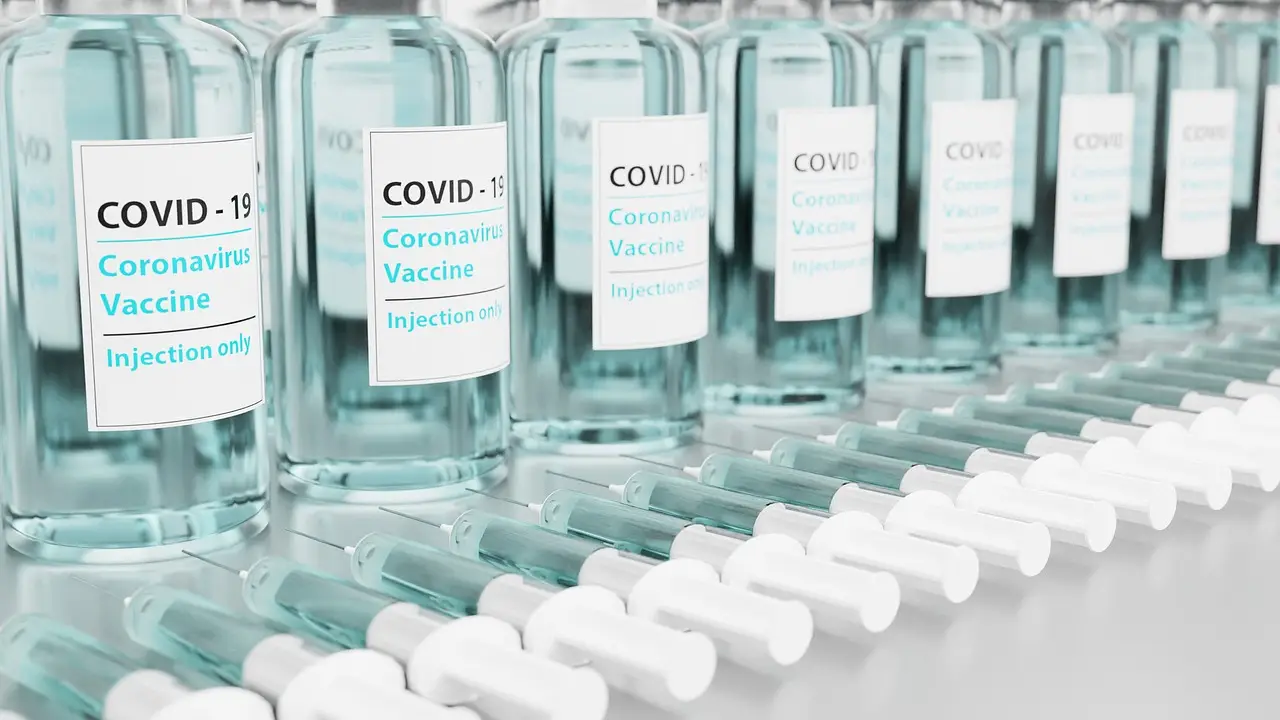
An AI-designed mRNA bird flu vaccine protected 100% of animals exposed to multiple H5N1 variants in preclinical trials, while the vaccine currently stockpiled by many governments protected only around 50%, according to a study published in Cell Reports Medicine by researchers at the University of Cambridge and the Cambridge spin-out DIOSynVax.
The paper, titled "Broad vaccine protection against globally diverse influenza A H5Nx viruses" (DOI: 10.1016/j.xcrm.2026.103131), reports that the new vaccine, DVX-panH5Nx, is the third success for the team's AI-guided design technique against highly infectious viruses that threaten animal and human health.
What did the trials measure?
In vivo tests showed DVX-panH5Nx completely protected mice and ferrets against a range of genetically distinct variants, all of which have caused human infections and represent potential pandemic threats. Ferrets receiving the vaccine showed superior survival after lethal heterologous challenges. Animals immunized with the World Health Organization's existing bird flu vaccine survived only half the time under the same conditions.
The stockpiled vaccine derives from representative virus isolates identified through the WHO's pandemic influenza preparedness program. It was designed to protect against one specific strain, and the study found it provides minimal protection against other strains in circulation.
Senior and corresponding author Jonathan Heeney, PhD, who heads the Lab of Viral Zoonotics in Cambridge's Department of Veterinary Medicine, and colleagues wrote that DVX-panH5nx "confers superior protection against antigenically distinct H5N1 challenges spanning two decades of viral evolution."
How was the vaccine designed?
The team collected genetic sequence data from all bird flu viruses logged by surveillance programs worldwide, which sample wildlife, livestock and infected humans. They built an AI tool to integrate this dataset and design a range of "super-antigens" containing antigenic features common to the whole group of viruses. These candidates were screened in cells to select the best one, which then advanced to animal trials.
"Using AI vastly speeds up the process of vaccine design, and then we can test the vaccine candidates in the lab to make sure they're robust and safe," Heeney said.
The final construct is a multi-antigen mRNA vaccine combining computationally and structure-guided hemagglutinin (HA), neuraminidase (NA) and M2 antigens. As the researchers note, this captures global H5Nx diversity in a single formulation — a design choice that aims to anticipate viral evolution rather than react to it.
"Compared to WHO candidate vaccine viruses (CVVs), DVX-panH5Nx confers superior protection against antigenically distinct H5N1 challenges spanning two decades of viral evolution, demonstrating that computationally designed multivalent antigen vaccines can overcome natural influenza diversification and provide a scalable strategy for pre-pandemic preparedness," the authors stated in the paper.
Why it matters for preparedness planning
Current pandemic preparedness relies on stockpiling vaccines against individual variants that have already emerged. The Cambridge team argues this reactive posture leaves responders chasing strains that will have changed by the time a vaccine deploys.
"Rather than providing immunity to a single variant of bird flu, our new broad-spectrum vaccine is protective against a huge range of variants," Heeney said. "It's designed to anticipate viral evolution, rather than reacting to it … These new-generation vaccines are a game changer for national biosecurity and more resilient public health. They mean we can be prepared to respond immediately to virus epidemics and pandemics, rather than the current scenario of always being on the back foot."
The stakes extend beyond human health. Influenza A H5Nx viruses continue to diversify and undergo gene reassortment as they infect avian and mammalian hosts worldwide, the authors noted. RNA viruses mutate rapidly into new strains that can jump from animals to humans and evade existing vaccines.
"It's when bird flu adapts to live in the airways of mammals that we start to get really nervous," Heeney said, "not only because of the impact on animal health but because of the threat to humans. If we can make better animal vaccines, then we can better protect human health as well."
The team suggests their data "support a shift in pandemic influenza preparedness toward broadly protective, digitally designed, multi-antigen vaccines that reflect global viral diversity."
What comes next?
The next step is human clinical trials, so the vaccine can be ready for immediate use when needed. The team is also developing a seasonal flu vaccine intended to provide broad-spectrum protection across several flu seasons; preliminary results indicate the antigen they designed in 2018 remains effective after seven years.
Earlier this year, the group announced that its broad-spectrum coronavirus vaccine proved safe in human trials (Journal of Infection, DOI: 10.1016/j.jinf.2026.106759), and published results showing a broad-spectrum influenza vaccine protects against both human and swine flu viruses.
The researchers conclude that leveraging genomic surveillance data from animal reservoirs and human spillover events, combined with structural insights and immune correlates, offers a framework not only for pre-pandemic H5Nx vaccines but also for improved seasonal influenza vaccines and broadly protective vaccines against other rapidly evolving RNA viruses. For now, the complete-protection claim rests on mice and ferrets, and the decisive test will be whether it carries into human trials.
via dx.doi.org (Original)
Filed under
- h5n1
- ai-vaccine-design
- mrna-vaccines
- preclinical-animal-trials
- pandemic-preparedness
More from Priya Raman
Show full bio
Staff writer covering money, funding and market shifts around research and development at Hypothesis Wire.
246 articles
References
- Stanford Medicine lands $18 million to build a universal vaccine
- Anthropic Reports Five Bioweapon-Linked AI Misuse Cases
- Human Challenge Trial Maps How Prior Dengue Immunity Drives Severe Secondary Infection
- Coronavirus Vaccine R&D Funding Collapsed 95% From 2020 Peak
- Vaxcyte's VAX-31 hits Phase 3 endpoints, takes aim at Pfizer and Merck