Proceedings · Session S-628 · filed September 27, 2026
Research InfrastructureSession paper
Alabama Puts $262K Into Forensic Lab Equipment Upgrade
Gov. Kay Ivey has awarded a $262,000 grant for new equipment at the Alabama Forensic Lab, a targeted capital investment in the state's criminal casework infrastructure.
By Amara Osei3 min read623 words
Summary
- Governor Kay Ivey awarded a $262,000 grant for equipment at the Alabama Forensic Lab, WSFA reports.
- The grant targets equipment procurement specifically, not personnel or facility expansion; no instrument list has been disclosed.
- No baseline casework or turnaround metrics accompanied the announcement, so the impact of the spend cannot yet be quantified.
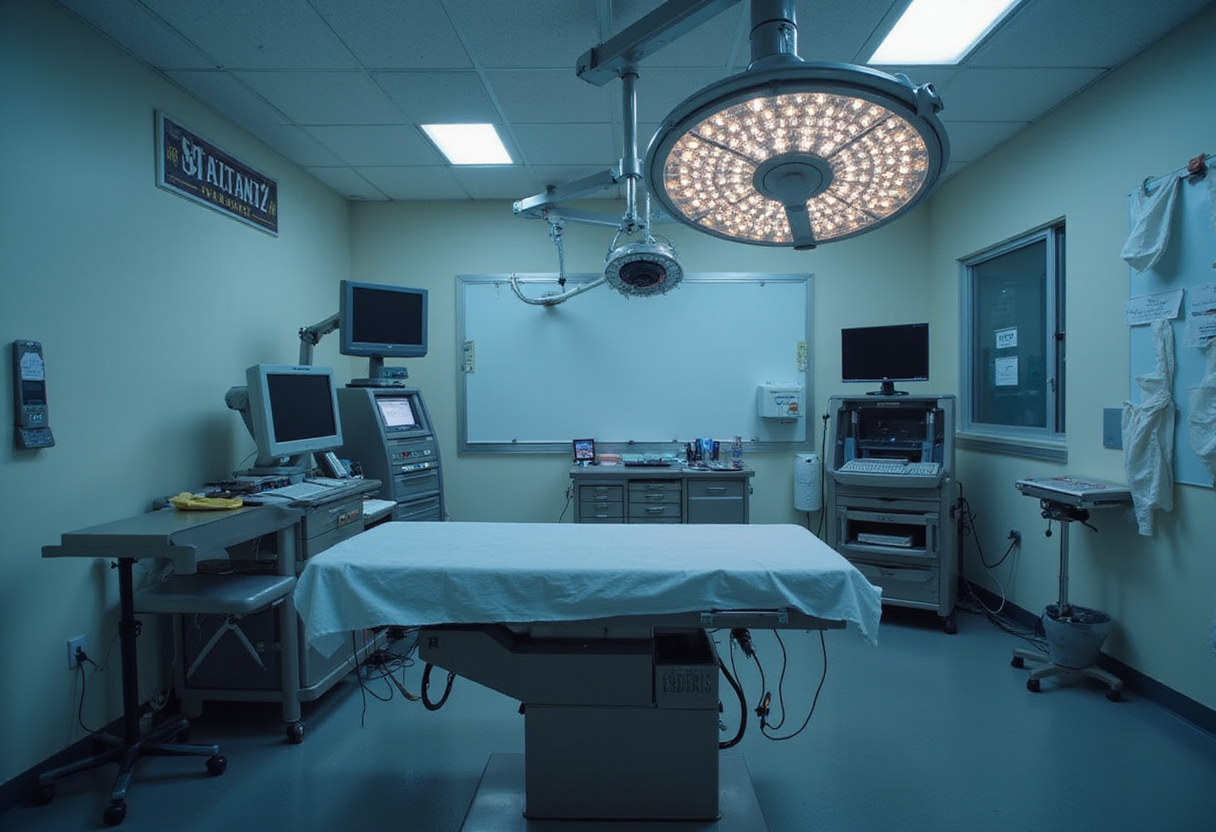
Alabama Governor Kay Ivey has awarded a $262,000 grant to purchase new equipment for the Alabama Forensic Lab, according to a report from WSFA. The figure is modest by federal R&D standards, but it signals a targeted capital investment in the analytical infrastructure that underpins the state's criminal casework — and it arrives at a time when forensic laboratories nationwide face backlogs and aging instrument fleets.
The grant, announced through the governor's office, directs funds toward equipment procurement rather than personnel or facility expansion. For laboratory managers, that distinction matters. Equipment-specific grants of this size typically cover one to several major instruments — for a forensic context, that could mean replacements or additions in chromatography, mass spectrometry, or trace-analysis workflows, depending on how the state's Department of Forensic Sciences prioritizes the spend. The announcement did not specify which instruments the lab will acquire, when procurement will begin, or how the equipment will be allocated across the lab's disciplines, so portfolio-level impact remains an open question until the state releases an itemized spending plan.
What the $262,000 does establish is a concrete commitment from the governor's office to modernize forensic capability in Alabama. State forensic labs process evidence across toxicology, DNA, firearms, and controlled substances, and instrument downtime in any of these units directly affects case turnaround times. A single replacement chromatograph or spectrometer can restore throughput in a unit that would otherwise route samples to slower methods or out-of-state partners. The grant's framing around equipment, rather than operations, suggests the state has identified a specific hardware gap it intends to close.
The funding mechanism also warrants attention. Grants awarded directly by a governor's office — often drawn from federal block allocations such as those administered through the U.S. Department of Justice or Housing and Urban Development cycles, or from state discretionary funds — carry their own reporting requirements and timelines. The WSFA report did not disclose the source of the $262,000 or the performance period attached to it. Those details determine whether the lab can bundle the grant with other capital requests or must spend it within a fixed fiscal window, a constraint that shapes procurement strategy for any lab director.
For vendors and procurement teams tracking public-sector forensic spending, the award adds one more data point to a steady stream of state-level instrument purchases. Public safety budgets have increasingly flowed toward laboratory modernization as labs work through evidence backlogs that grew during the pandemic years. Alabama's investment sits at the smaller end of that spectrum — comparable state awards for forensic equipment have ranged from tens of thousands of dollars for single instruments to multimillion-dollar buildouts of new facilities — but even six-figure grants can materially change a single unit's capacity when targeted at a bottleneck instrument.
The evidence base for the grant's impact is thin for now. The announcement provides a dollar figure and a purpose, but no baseline metrics: current instrument age, average turnaround times, or annual caseload for the affected units. Without those numbers, the return on the $262,000 — measured in cases processed per month or reduced processing delays — cannot be projected with confidence. The governor's office and the forensic lab will presumably report outcomes through standard state grant accountability channels as the equipment enters service.
Governor Ivey's office indicated the equipment will support the forensic lab's work for Alabama's criminal justice system. Lab leadership will now move through procurement, installation, and validation — the validation phase typically consuming several weeks to months before new forensic instruments enter casework — meaning measurable throughput effects, if any, would appear in the state's casework statistics later in the cycle.
via Google News: Laboratory technology (Source)
Filed under
- forensic-labs
- lab-equipment
- grants
- alabama
- instrument-procurement
More from Amara Osei
References
- Alabama Puts $262K Into Forensic Lab Equipment Upgrade
- UAB Green Marketplace Redirects Lab Equipment to Reuse
- Watchdog: HHS, USDA Skip Biosecurity Review of Lab Equipment Sales
- 16th Air Force Gains Federal Laboratory Status Under DAF Tech Transfer Program
- California Senate Clears Bill Creating $12B State Research Fund