Proceedings · Session S-455 · filed September 30, 2026
Research InfrastructureSession paper
UAB Green Marketplace Redirects Lab Equipment to Reuse
UAB's Green Marketplace redirects surplus lab instruments to researchers and startups, cutting disposal costs and deferring capital purchases — though volume and savings figures remain unpublished.
By Tom Whitfield3 min read506 words
Summary
- UAB operates a Green Marketplace program that redistributes used lab equipment to researchers and startups
- The program reduces both disposal costs for closing labs and startup capital outlays for new research groups
- Lab Manager's report does not specify transaction volumes, dollar savings, or equipment diligence procedures
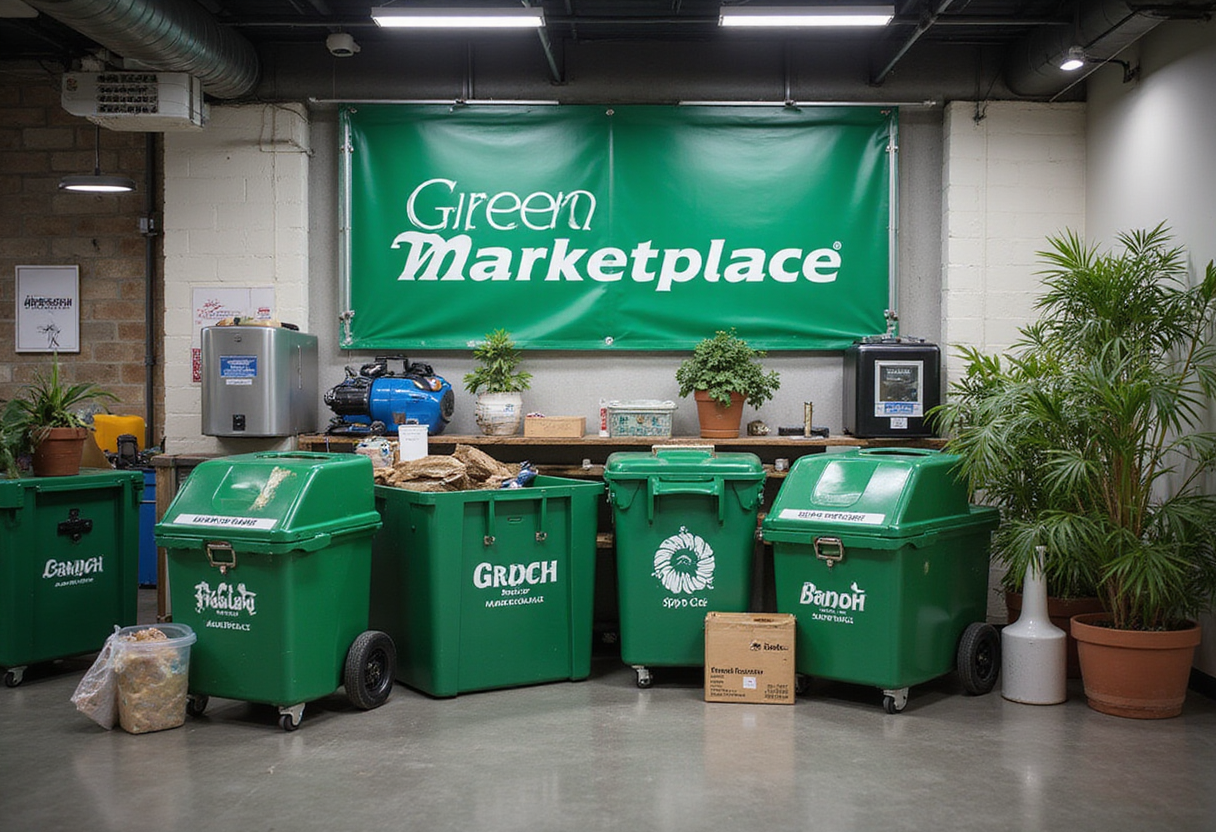
The University of Alabama at Birmingham is running a Green Marketplace program that moves used laboratory equipment from departing or restructuring labs into the hands of researchers and startups that need it, Lab Manager reports. The initiative targets two budget lines at once: the disposal cost labs face when they close or reorganize, and the capital outlay new research groups must make before their first experiment runs.
At most research universities, surplus centrifuges, biosafety cabinets, freezers, pipettes and benchtop instruments follow one of two paths — a warehouse where they depreciate unread, or a dumpster. UAB's marketplace model instead lists the equipment internally, giving PIs and early-stage companies affiliated with the institution first claim on functional hardware. For a startup operating on seed funding or a small business innovation grant, a working minus-80 freezer or a functional incubator acquired at no cost can defer a purchase that would otherwise consume a meaningful share of an initial budget.
For R&D managers, the mechanics matter. Equipment reuse programs shift the question from "what do we buy?" to "what already exists on campus?" That reframing has portfolio consequences. A lab planning a new workflow can source peripheral instruments — stir plates, water baths, balances — through internal redistribution and reserve procurement dollars for the core analytical instruments where specifications, service contracts and warranty terms genuinely require new purchases. It also compresses setup timelines: internal transfers typically clear in days, while a purchase order for new equipment can take weeks once quotes, approvals and delivery schedules are stacked.
The program also carries a sustainability rationale that increasingly shows up in institutional reporting and grant applications. Equipment embodied carbon — the emissions associated with manufacturing and shipping a new instrument — is a line item several funders now ask grantees to address. Redirecting a functioning instrument from one lab to another avoids that footprint entirely, and universities with formal reuse programs can document the avoided procurement in sustainability metrics that flow into initiatives such as the Association for the Advancement of Sustainability in Higher Education reporting framework.
There are limits worth noting. Lab Manager's report does not specify the program's transaction volume, the number of instruments redirected annually, or the dollar value of avoided purchases — figures that would let R&D managers benchmark the model against their own institutions' surplus operations. Nor does it detail how UAB handles calibration verification, decontamination certification or maintenance records for transferred equipment, the diligence questions any receiving lab must answer before putting a secondhand biosafety cabinet or freezer into service. Buyers inheriting instruments without service history assume repair risk that a new purchase with a warranty would not carry.
Still, the model is low-friction by design. It requires no new procurement infrastructure — only an internal listing process and a willingness among department administrators to route surplus through the marketplace rather than standard disposal channels. Institutions watching UAB's experience will want to track whether participation grows and whether the program begins publishing savings figures, which would strengthen the case for replicating it elsewhere.
via Google News: Laboratory technology (Source)
Filed under
- lab-equipment-reuse
- sustainability
- equipment-procurement
- university-research
- startup-resources
More from Tom Whitfield
Show full bio
Senior reporter covering media and advertising at Hypothesis Wire.
92 articles
References
- Tariffs and Tight Budgets Push Labs Toward Refurbished Equipment
- Lab Equipment Decisions Deserve Portfolio-Level Scrutiny, Not Procurement Reflexes
- Lab Manager Weighs Instrument Cost Against Out-of-Box Readiness
- ORNL opens Translational Research Capability, its newest facility
- £1.9 Billion Growth Figure Anchors Case for University Infrastructure Funding