Proceedings · Session S-351 · filed November 17, 2026
AI & Emerging Tech in R&DSession paper
AI Playbook Expected December as Pharma Weighs Vendor Model Change Accountability
A pharma AI regulatory playbook may land as soon as December 2026; panelists flag PCCP accountability gaps and oversight that continues past go-live.
By Sophie Lindqvist3 min read626 words
Summary
- A regulatory AI playbook for pharma is rumored for release as soon as December 2026.
- Argenx will acquire Unnatural Products for up to $1.15 billion, adding oral macrocyclic peptides.
- FDA granted accelerated approval to subcutaneous amivantamab for head and neck cancer.
- Panel discussion published November 10, 2026, covered PCCP accountability gaps and MCP-ready guidance.
- Hubot CDMO's Manish Baviskar called for generative AI user proficiency standards exceeding CAR-T operator requirements.
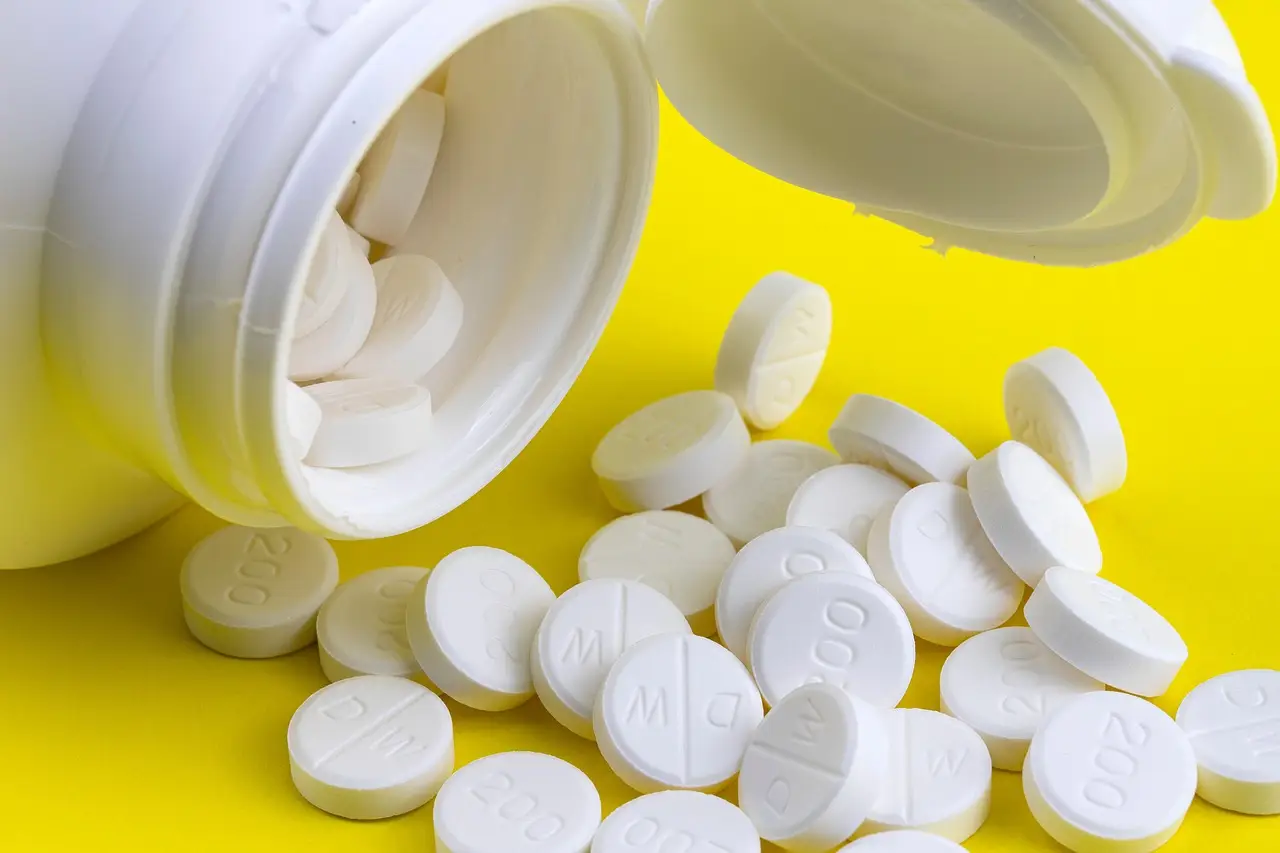
A regulatory "playbook" for pharmaceutical AI, rumored for release as soon as December 2026, took center stage on the PharmTech AI Pulse Check panel of November 10, 2026, as industry participants weighed who bears accountability when a vendor's AI model changes after deployment.
The panel zeroed in on the regulatory patchwork pharmaceutical companies currently navigate while agencies race to catch up with AI adoption. Two questions framed the discussion: why oversight from the UK's MHRA and the US FDA continues past system go-live, and who validates the AI tools the regulators themselves deploy.
What would a December playbook need to deliver?
Panelists said a useful playbook cannot stop at high-level principles. The discussion covered EMA and MHRA moves on AI oversight, accountability gaps in Predetermined Change Control Plans (PCCPs), and what it would take for regulatory guidance to be ready for the Model Context Protocol (MCP) era — the emerging standard for connecting AI models to data sources and tools.
The PCCP question cuts to a concrete portfolio risk. When a vendor ships a changed model under an approved change control plan, the panel asked, responsibility for validation and continued fitness remains unsettled between vendor and sponsor. For R&D and QA leaders, that gap translates directly into inspection exposure: regulators will audit pharma companies against their own internal AI policies.
Panelists Jaenisch, Muraru, and Pandey argued that QA and regulatory teams must build defensible, inspection-ready AI practices now rather than wait for the December document. Their reasoning ties AI governance to existing GMP infrastructure rather than treating it as a parallel discipline.
What standard should AI users meet?
Manish Baviskar of Hubot CDMO drew the sharpest analogy of the session, tying AI proficiency to established manufacturing discipline. "No operator touches a CAR-T batch before demonstrating proficiency," he said. "Generative AI users should meet the same standard, and a higher one, because an AI error does not stay inside one batch."
Baviskar's operating framework rests on ALCOA++ data integrity principles, applied to AI: model version change control, continuous monitoring of deployed systems, and human sign-off at defined decision points. He separately addressed skills, arguing that AI model updates must pass through GMP change control and that validation engineers need a specific, ordered set of AI competencies — not general AI literacy.
Why does oversight continue past go-live?
The panel's answer was structural. A validated AI system at go-live is validated only for the model version, data distribution, and use context present at that moment. Vendor updates, drift in input data, and changing regulatory expectations each create new validation obligations. MHRA and FDA scrutiny therefore treats go-live as a starting point, which places ongoing monitoring and revalidation costs on sponsors' operational budgets.
The second open question — who validates the regulators' own AI — remained unresolved. As agencies adopt AI tools for review and inspection support, the panel noted, no external mechanism yet audits those systems with the rigor pharma must apply to its own.
Adjacent deals and approvals reshape the portfolio picture
Two commercial developments surfaced alongside the regulatory discussion. Argenx will acquire Unnatural Products for up to $1.15 billion, adding oral macrocyclic peptides to its antibody portfolio — a deal that brings new formulation challenges, since oral delivery of macrocycles remains a hard problem in drug product development.
Separately, the FDA granted accelerated approval to subcutaneous amivantamab for head and neck cancer. The decision extends the ongoing IV-to-subcutaneous shift in biologics formulation, with implications for manufacturing lines, cold-chain logistics, and administration settings.
Whether the December playbook arrives on schedule and whether it closes the PCCP accountability gap will determine how much of this governance burden pharma teams must design for themselves.
By Sophie Lindqvist
via pharmtech.com (Source)
Filed under
- ai-governance
- pharmaceutical-regulation
- model-validation
- gmp-compliance
- predetermined-change-control-plans
More from Sophie Lindqvist
Show full bio
Correspondent covering money, funding and market shifts around research and development at Hypothesis Wire.
242 articles
References
- FDA AI Warning Letter Raises the Bar for Model Validation
- EU Pharmaceutical Overhaul Lands With Procurement Reform and 2028 Deadline
- Where Pharma Should Hit the Brakes on AI, According to Open Biopharma
- Limerick Team Bridges Digital Validation Gap in Pharma Manufacturing
- Anthropic's AI Lab Sparks Biology Backlash Over Discovery Claim