Proceedings · Session S-523 · filed November 14, 2026
Lab Technology & MethodsSession paper
334 Genomes Track Rise and Fall of Drug-Resistant Enterococcus in Denmark
ITQB NOVA researchers sequenced 334 VREfm ST80 isolates from nine Danish hospitals, finding a multi-drug plasmid that co-selects for vancomycin resistance.
By Tom Whitfield3 min read501 words
Summary
- Researchers sequenced 334 VREfm ST80 isolates from nine Danish hospitals, collected 2012–2020.
- Sub-cluster 1.A accounted for 169 of 334 isolates and 72% of isolates from 2012–2015.
- A mosaic phage-like plasmid carried vanA plus ermB, aadE and aph(3')-IIIa resistance genes.
- Eight recombination hotspots were found in core genes for cell wall synthesis and transport.
- WHO listed vancomycin-resistant E. faecium among highest-priority pathogens in its 2024 list.
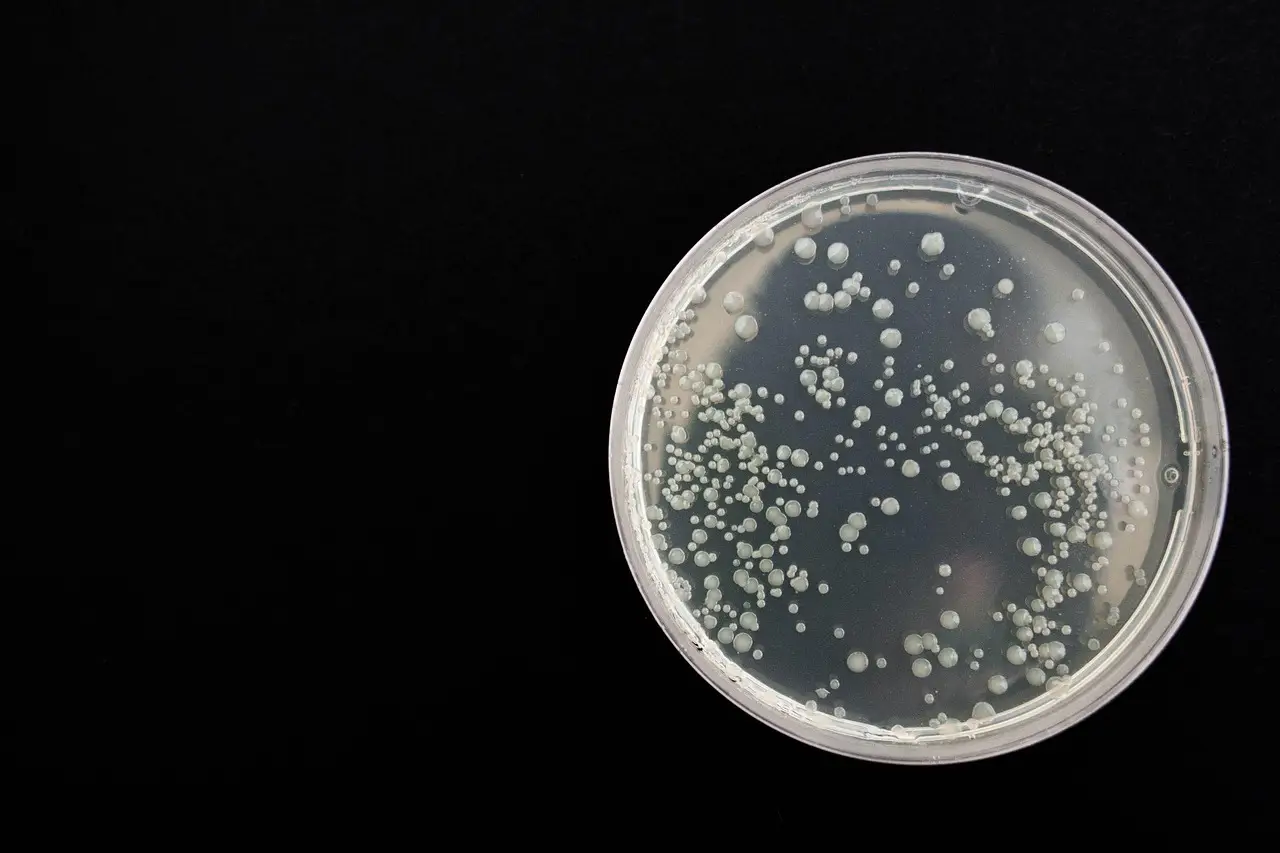
Whole-genome sequencing of 334 vancomycin-resistant Enterococcus faecium ST80 isolates from nine Danish hospitals has reconstructed how the dominant clone rose and fell between 2012 and 2020 — and why cutting vancomycin use alone may not stop it.
Researchers at Instituto de Tecnologia Química e Biológica António Xavier, NOVA University of Lisbon (ITQB NOVA), published the work in Genome Medicine under the title "Recombination and accessory genome turnover shaped the rise and decline of vanA Enterococcus faecium ST80 in Denmark." The World Health Organization placed vancomycin-resistant E. faecium on its 2024 Bacterial Priority Pathogens List among the highest-priority bacteria.
What did the 334 genomes show?
The Portuguese team collected isolates from 2012 through 2020, drawing 83% from colonization cases and 17% from infections. Phylogenomic analysis sorted them into two major clusters and nine sub-clusters, labeled 1.A through 1.G and 2.H through 2.I.
Sub-cluster 1.A dominated early. It accounted for 169 of 334 isolates and 72% of all isolates from 2012–2015. That grip loosened. Isolates from 2016–2020, the authors write, "were distributed across all sub-clusters, indicating increasing diversification over time."
Genetic variation, per the paper, was "driven by accumulation of mutations, recombination and gain/loss of accessory genes and plasmids." The team pinpointed eight recombination hotspots in core genes tied to cell wall synthesis, phosphotransferase systems, amino-acid biosynthesis and several transporters.
Why does one resistance gene travel with others?
The clone carried a mosaic phage-like plasmid element conferring resistance to several antibiotics at once. It harbored the vanA operon alongside ermB, aadE and aph(3')-IIIa — a combination the authors describe as "a unique mechanism for co-mobilization of antimicrobial resistance via transduction or conjugation."
That packaging has a direct stewardship implication. Maria Miragaia, PhD, who leads the Bacterial Evolution and Molecular Epidemiology lab at ITQB NOVA, explained: "Using any one of those antibiotics can select for bacteria carrying the whole package, including vancomycin resistance."
She added: "This means that simply reducing vancomycin use may not be enough to reduce vancomycin-resistant bacteria if other linked antibiotics are still being used." In other words, an erythromycin or aminoglycoside prescription could, in principle, maintain selection pressure for vancomycin resistance carried on the same mobile element.
What could clear the clone from hospitals?
The study points to three survival strategies that sustained the ST80 lineage: forming biofilms, altering its outer surface, and metabolizing alternative sugars in the gut. Targeting those mechanisms, the authors suggest, could help clear the resistant bacteria from patients' intestines and curb transmission within hospital wards.
For infection-control and antimicrobial-stewardship teams, the Danish dataset offers a template: longitudinal genome surveillance across a hospital region can distinguish a single dominant outbreak lineage from later diversification, and mobile-element mapping can expose which drugs co-select for resistance. The 2016–2020 diversification signal suggests the clone's decline was already under way, though the mechanisms behind that trajectory remain to be tested in follow-up functional work.
via link.springer.com (Original)
Filed under
- whole-genome-sequencing
- genomic-epidemiology
- enterococcus-faecium
- vancomycin-resistance
- antimicrobial-stewardship
More from Tom Whitfield
Show full bio
Senior reporter covering technology and product news in research and development at Hypothesis Wire.
253 articles
References
- Scale-Up, Not Discovery, Gates Next Antibiotics: Queensland Review
- OM-89 Found to Boost Lysosomal Killing of Intracellular E. coli
- Vaxcyte's VAX-31 hits Phase 3 endpoints, takes aim at Pfizer and Merck
- Mayo Clinic Maps 341 Cancer-Linked Gut Microbes Across 1,364 Patients
- UN Panel Aims to Reset How Evidence Reaches AMR Policymakers