Proceedings · Session S-246 · filed November 13, 2026
Lab Technology & MethodsSession paper
Chromosome-Level Genomes Built for Neglected Malaria Parasites
Sanger Institute and Mali researchers built chromosome-level genomes for P. ovale and P. malariae from eight patient samples, resolving subtelomeric regions.
By Sophie Lindqvist3 min read622 words
Summary
- Eight patient blood samples from Faladie, Mali, yielded chromosome-level reference genomes for P. ovale wallikeri, P. malariae and P. falciparum
- More than 2,000 PIR genes were identified in P. ovale wallikeri, about one-quarter of its genome
- The method used PacBio Ultra-Low-Input HiFi long-read sequencing plus Hi-C, with no laboratory culturing required
- The study was published in PLOS Pathogens by researchers at the Wellcome Sanger Institute and a Mali research center
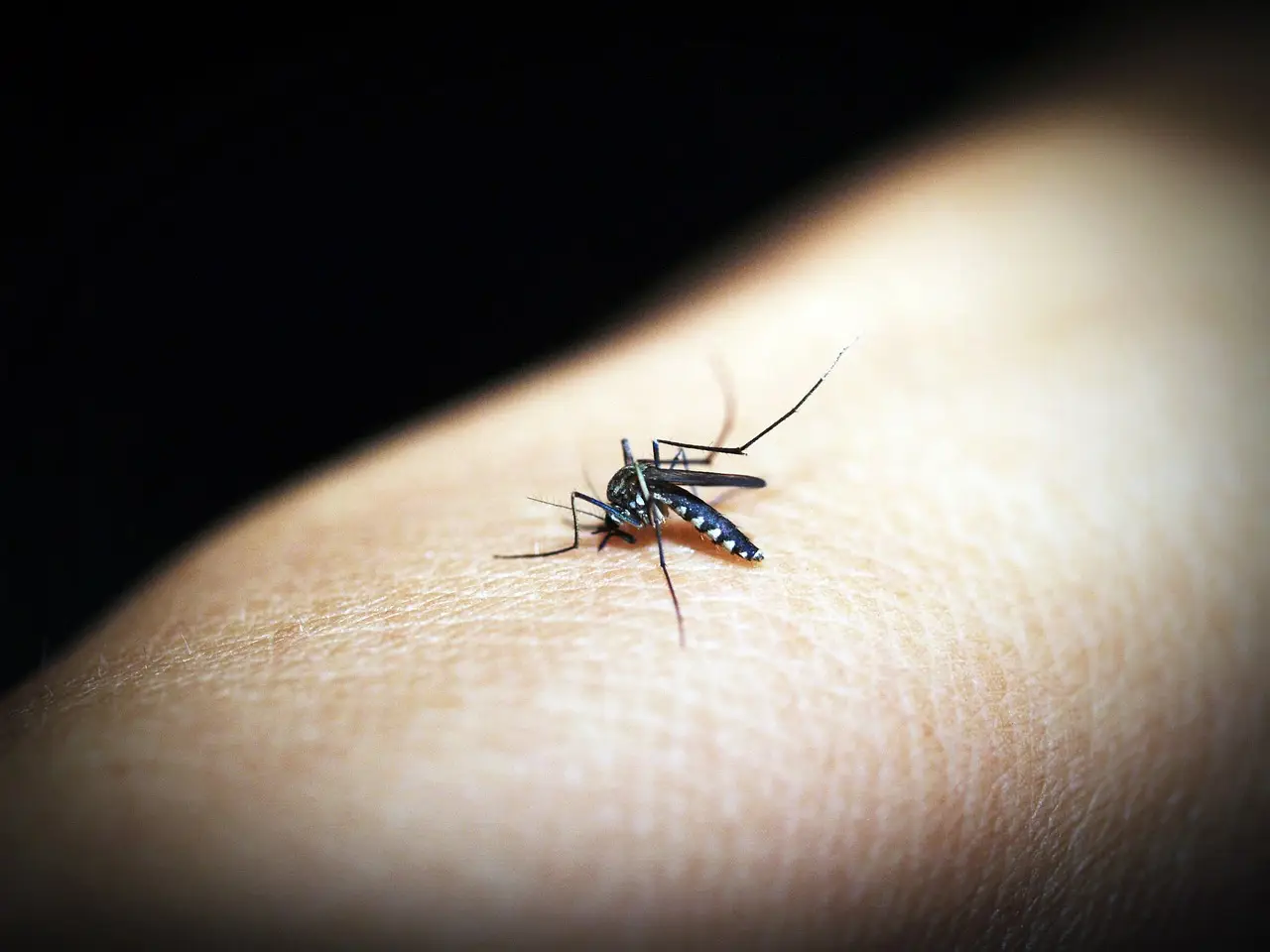
Researchers have assembled chromosome-level reference genomes for Plasmodium ovale wallikeri and P. malariae directly from patient blood samples, resolving subtelomeric regions that earlier fragmented references could not reach. The study, published in PLOS Pathogens, drew on just eight participants with naturally acquired infections in Faladie, Mali — a sample size that limits population-level claims but demonstrates a culturing-free route to high-quality parasite assemblies.
The work comes from scientists at the Wellcome Sanger Institute and the Parasites and Microbes Research and Training Center in Mali. It matters for R&D portfolios because P. falciparum causes most malaria deaths, yet non-falciparum species sustain chronic infections that survive even where falciparum transmission falls — and both P. ovale and P. malariae lack reliable continuous culture methods, which has stalled their study for years.
How did the team sequence parasites without culturing?
The researchers enriched parasite DNA by removing human white blood cells and uninfected red blood cells from each sample. They then applied PacBio Ultra-Low-Input HiFi long-read sequencing and combined it with Hi-C, a technique that captures interactions between DNA regions to reconstruct chromosome organization.
From eight blood samples, the pipeline produced high-quality references for three species: P. ovale wallikeri, P. malariae, and P. falciparum. The approach removes the laboratory-culture bottleneck that has constrained genomic work on the two neglected species and could be adopted by surveillance labs working from field collections.
What did the new assemblies reveal?
The assemblies resolved previously inaccessible subtelomeric regions near chromosome ends. These repetitive, gene-rich zones carry expanded gene families tied to parasite–host interactions and, the authors write, enhance "understanding of parasite persistence, transmission, immune evasion, and comparative evolutionary studies."
The single largest finding concerns the PIR gene family. In P. ovale wallikeri, the team identified more than 2,000 PIR genes — roughly one-quarter of the parasite's entire genome. That proportion quantifies, for the first time at this resolution, how much of an understudied human malaria parasite's coding capacity sits in immune-evasion-associated families.
Comparisons among parasites collected in the same geographic region revealed extensive genetic rearrangements near chromosome ends. These rearrangements point to mechanisms of antigenic variation, the shuffling process parasites use to stay ahead of human immune responses.
"Uncovering these full genomes revealed the extent of expansions of gene families sitting at the ends of chromosomes, which regularly shuffle genetic material to adapt and evade the human immune system," said first author Sunil Dogga, PhD, formerly of the Wellcome Sanger Institute and now at the Swiss Tropical and Public Health Institute.
What changes for diagnostics and surveillance?
The genomic resources could support three concrete applications:
- More accurate molecular diagnostics for non-falciparum infections, which are difficult to diagnose and persist where falciparum declines
- Identification of potential therapeutic targets among the expanded gene families
- Population studies tracking how parasites respond to treatment and control measures, including emerging drug resistance
"Establishing gold-standard reference genomes for these neglected parasites fills a critical knowledge gap in global malaria research," said senior author Mara Lawniczak, PhD, group leader at the Wellcome Sanger Institute.
Caveats worth weighing before extrapolating: the assemblies derive from a single collection site and eight individuals, so the observed rearrangement diversity represents a lower bound, and the study measured genome structure rather than functional outcomes such as immune escape in patients. The gene-family counts are assemblies' annotations, not validated expression data.
The authors position the work as an input to elimination strategy rather than a finished result, writing: "This work provides a critical foundation for including these neglected species in global malaria elimination efforts." Labs running malaria genomic surveillance now have culturing-free reference genomes against which to map future field isolates.
via journals.plos.org (Original)
Filed under
- malaria-genomics
- reference-genomes
- long-read-sequencing
- plasmodium
- genomic-surveillance
More from Sophie Lindqvist
Show full bio
Correspondent covering money, funding and market shifts around research and development at Hypothesis Wire.
227 articles
References
- Roche Ships Lab Equipment to DRC as Ebola Response Escalates
- Medicines Patent Pool Signs 11 Firms for Generic Roche Flu Drug
- Oncology NGS Standardization Takes Aim at Biomarker-Ready Research
- UK Biobank Immune Atlas to Generate 100 Million Data Points Per Sample
- UN Panel Aims to Reset How Evidence Reaches AMR Policymakers