Proceedings · Session S-288 · filed November 19, 2026
Lab Technology & MethodsSession paper
Terumo BCT Automates Engineered TIL Production with Quantum Flex
Terumo BCT, TrAMPoline Pharma and the University of Colorado will automate engineered TIL manufacturing on the Quantum Flex system, targeting a manual process that today runs about three weeks.
By Tom Whitfield3 min read677 words
Summary
- TIL manufacturing currently takes about three weeks using manual, small-scale lab processes
- Terumo BCT's Quantum Flex Cell Expansion System will automate genetically engineered TIL production with TrAMPoline Pharma and the University of Colorado
- Phase one validates automated cell expansion against the existing process; later steps follow
- Total manufacturing time reduction remains unproven and must be established experimentally, per CSO Eduardo Davila
- Quality metrics under evaluation include gene transfer efficiency, viability, phenotype and tumor-specific killing
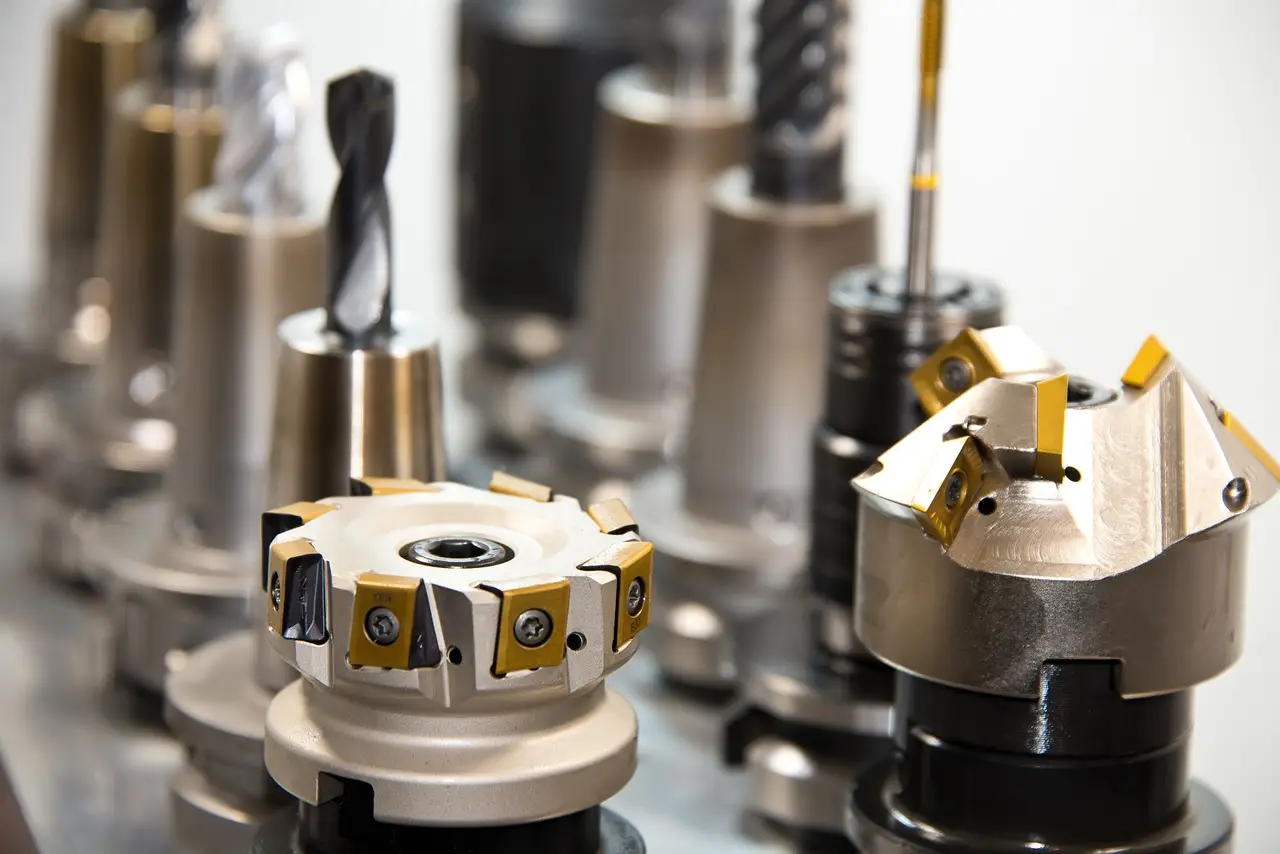
Terumo Blood and Cell Technologies is pairing its Quantum Flex Cell Expansion System with TrAMPoline Pharma and the University of Colorado to automate production of genetically engineered tumor-infiltrating leukocytes — a cell therapy that today takes roughly three weeks to manufacture through manual, lab-scale processes.
The partnership places Terumo BCT among a small group of companies working to automate TIL production as these therapeutics push from boutique lab workflows toward clinical scale. The core economics are unforgiving: TILs derive from T cells that have infiltrated tumors, and those cells expand far less efficiently than T cells circulating in the bloodstream. Potent doses therefore demand vastly greater starting quantities of cells, multiplied by manual handling at every step.
Why automation, and why now?
Current TIL manufacturing happens at small scale, in labs, using bespoke manual processes. That's partly deliberate — starting materials and conditions vary from batch to batch, and skilled hands adapt. But it's also the bottleneck standing between research protocols and reproducible clinical supply.
"Automation could help bridge the gap between development in the lab and clinical scale by utilizing the same scalable technology for both phases to ultimately preserve product quality along the development pipeline," Mindy Miller, PhD, head of cell therapy scientific development at Terumo BCT, told GEN.
Her counterpart in the collaboration frames the problem more bluntly. "We recognized that a process dependent on extensive manual handling would inevitably limit clinical translation," said Eduardo Davila, PhD, professor of medicine at the University of Colorado and co-founder and CSO at TrAMPoline Pharma. His research into T cell infiltration underpins TrAMPoline Pharma's TIL program.
The collaboration, Davila said, "aims to make engineered TIL manufacturing more reproducible and efficient while preserving the cells' tumor-fighting capabilities."
What's actually being automated first?
The rollout is phased, and the first milestone is narrow: validate automated cell expansion on the Quantum Flex against the existing process. Only then will additional steps be validated and integrated into the workflow. Neither partner has published a timeline for those later phases.
The engineering targets Davila's team has named are concrete:
- standardized culture conditions
- automated feeding
- fewer manual manipulations
"Our goal is to preserve engineered TIL identity, viability, and antitumor function," Davila said.
Measured gains versus projections
For R&D managers watching budgets and turnaround commitments, the honest read is this: the labor and consistency claims are projections, not measured results. Davila anticipates "a substantial reduction in hands-on labor and expedited TIL expansion," but he's explicit that the harder numbers remain open questions. "Whether total manufacturing time also decreases — and by how much — must be established experimentally," he said.
Miller confirmed the manufacturing-time question "is still being evaluated." Neither she nor Davila would commit to a target timeframe for engineered TIL manufacturing within the partnership.
What Davila does project: more consistent yield, fewer manual interventions, and greater manufacturing capacity, with the potential to reduce cost and turnaround time. Those are the metrics the collaboration will track — alongside the quality indicators that determine whether automation actually helps or harms the product.
"We will evaluate these gains alongside gene transfer efficiency, viability, phenotype, and tumor-specific killing," Davila said. "Improved potency is an outcome to test, rather than assume."
That last sentence matters for anyone benchmarking vendor claims in this space. Automated expansion is only a win if the engineered TILs that come out the other end still kill tumors. The collaboration's own framing treats potency as a hypothesis, not a selling point.
Miller's framing of Terumo BCT's role keeps the scope tight. "Our focus is adapting automation to the particular requirements of engineered TILs," she said — a signal that the Quantum Flex platform is being tailored for this application rather than dropped in off the shelf.
For cell therapy process development groups, the partnership offers a test case in whether closed, automated expansion systems can carry engineered TILs through the lab-to-clinic transition without eroding product quality, with validation of that first expansion step as the near-term milestone to watch.
via s.w.org (Original)
Filed under
- tumor-infiltrating-lymphocytes
- cell-therapy-manufacturing
- process-automation
- quantum-flex
- lab-to-clinic-translation
More from Tom Whitfield
Show full bio
Senior reporter covering technology and product news in research and development at Hypothesis Wire.
272 articles
References
- Stable Pools Move Biologics Off the Clone-First Path
- Six to Nine Months of Training: The Real Cost of CGT Scale-Up in APAC
- 66% to 90%: The Outsourcing Numbers Driving CGT Contracting
- Three-Day CAR T Expansion Could Counter 30% Annual Therapy Waste
- iPSC Programs Fail Early on Bad Starting Cell Lines, Pluristyx Warns