Proceedings · Session S-247 · filed November 4, 2026
Lab Technology & MethodsSession paper
Swiss Microchip Sensor Tracks Viable Cell Density in 25 µL Volumes
A 1 x 10 mm bioimpedance microchip from Swiss applied-science teams measured CHO viable cell density in 25 µL, tracking reference counts with R² of 0.92.
By Amara Osei3 min read663 words
Summary
- Miniature bioimpedance sensor has a 1 x 10 mm footprint and 25 µL working volume
- Detection limit approximately 0.5 × 10⁶ cells/mL; impedance swept 10 kHz to 5 MHz at 200 mV
- Correlation with reference CHO cell counts reached R² = 0.92
- Device ran continuous at-line monitoring in 14-day CHO fed-batch cultivations
- Team is seeking industrial partners to commercialize an inline insertion-probe version
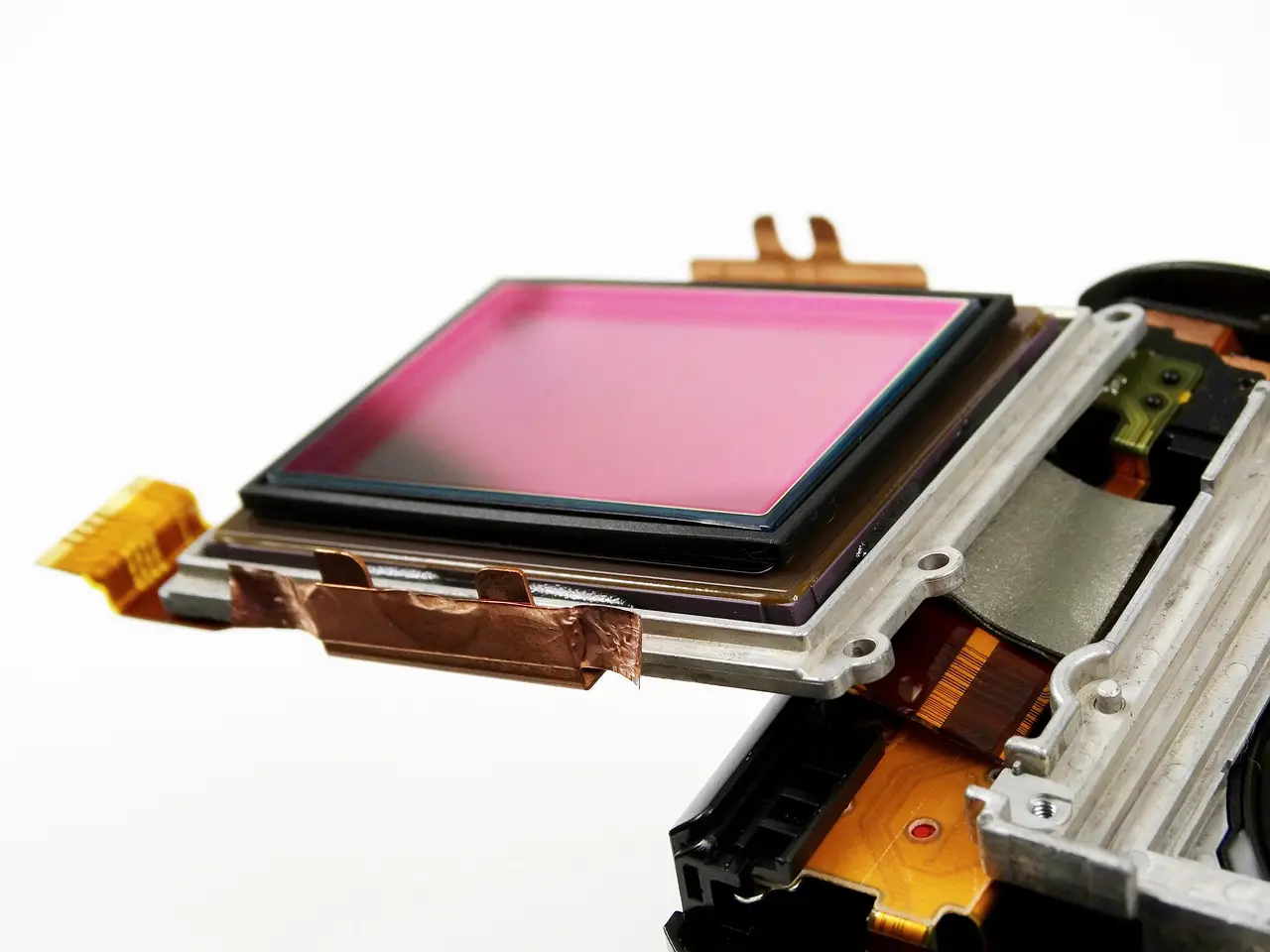
Swiss researchers have built a miniature bioimpedance sensor with a 1 x 10 mm footprint that measures viable cell density in a working volume of just 25 µL — a scale at which conventional biocapacitance probes physically cannot operate. The team, led by Yves Mermoud, PhD, of the Eastern Switzerland University of Applied Sciences (OST), with colleagues from OST and Zurich University of Applied Sciences, presented the proof-of-concept results at the Eurosensors 2026 meeting.
The device addresses a measurable gap in process analytical technology (PAT). Commercial bioprocess monitoring instruments are designed for large-scale operations, while process intensification and personalized therapies keep shrinking batch sizes. The result is a paucity of in-line viable cell density options for small vessels.
Offline alternatives do not fill the void. The Swiss team notes that trypan blue exclusion counting is impractical for small-scale bioprocessing and blocks any real-time monitoring capability. That limitation matters for R&D managers weighing portfolio investments in intensified, small-batch manufacturing platforms.
How well does the sensor perform?
The researchers measured electrical impedance from 10 kHz to 5 MHz at an amplitude of 200 mV. The detection limit sat at approximately 0.5 × 10⁶ cells per mL. Deviations at the upper and lower limits were comparable to those of commercial probes, according to the data presented at Eurosensors 2026.
Testing against Chinese hamster ovary (CHO) cell concentrations, the sensor showed a linear correlation with viable density. "Performance [is] close to conventional probes," Mermoud and colleagues report in their paper.
Mermoud put a number on the fit in comments to GEN: "Their measurements showed strong correlation with the reference cell counts (R² = 0.92), indicating that a linear relationship explained 92% of the observed variation." That figure means roughly 8% of variation remains unexplained by the linear model — a residual the team has yet to fully attribute, and one buyers would want interrogated against their own cell lines.
The fabrication route is standard microsystems work, which matters for eventual unit economics. The team evaporated platinum thin-film electrodes onto a 100 mm fused silica wafer by photolithography, then diced the wafer into 15 x 15 mm microchips, each carrying two microfluidic channels and connected to an impedance analyzer.
What has actually been demonstrated?
The sensor has cleared one workflow-relevant hurdle beyond bench dilution series. "The PAT microchip cell density sensor has already demonstrated continuous at-line monitoring in representative 14-day CHO fed-batch cultivations," Mermoud says. In those runs, cell suspension circulated through an external demonstrator module housing the microchip — a bypass configuration, not direct immersion.
That distinction is material. The team concedes the work is in its early stages, and the current setup does not yet place the chip inside the bioreactor itself. Mermoud acknowledges a technical debt: "Our focus now is on improving signal analysis to account for process-related changes in the culture medium over time." Medium composition drift across a two-week fed-batch is a known confounder for impedance-based measurements, and the published correlation does not yet prove robustness against it.
What comes next?
The roadmap has two stated steps. "Going forward, we will package the PAT microchip as a standard insertion probe for direct inline deployment in the bioreactor and expand the data analytics with multivariate models that leverage the microchip's multiple sensing modalities," Mermoud elaborates.
Funding and commercialization intent are explicit. "We are currently seeking industrial partners to support and accelerate this final translation into a commercial process sensor," Mermoud says.
For process development groups, the realistic read is this: a wafer-scale, potentially low-cost sensor has matched commercial-probe deviation behavior and logged two weeks of at-line fed-batch data, but inline packaging, multivariate analytics and third-party validation across diverse cell lines and media all remain undone. The team's stated next moves — an insertion-probe form factor and industrial partnership — will determine whether the 25 µL device moves from conference poster to procurement list.
via researchgate.net (Original)
Filed under
- bioimpedance-sensing
- viable-cell-density
- process-analytical-technology
- microfluidic-sensors
- cho-cell-bioprocessing
More from Amara Osei
Show full bio
News editor covering money, funding and market shifts around research and development at Hypothesis Wire.
226 articles
References
- Samsung Biologics MSAT Team Argues for Integrated Biologics Tech Transfer
- PNNL starts building 30,800-sq-ft autonomous microbe lab for 2029
- Label-Free Electrical Signals Could Give Bioprocess Engineers Earlier Warnings of Failing Cultures
- Just-Evotec Opens CHO Media Platform to Market After 70-Project Run
- Raman-NIR Fusion Model Tracks Fermentation Glucose at 99% Accuracy