Proceedings · Session S-316 · filed October 12, 2026
Research Funding & PolicySession paper
South Carolina Advocates Take Cancer Funding Case to Congress
South Carolina cancer advocates lobbied Congress this week for expanded federal research funding, a move that bears directly on NCI grant paylines and lab budgets nationwide.
By Priya Raman3 min read623 words
Summary
- South Carolina cancer advocates traveled to Capitol Hill to seek increased federal cancer research funding, WRDW reported.
- The report does not specify the delegation size, meeting dates, or the dollar figure requested.
- Federal cancer research funding flows through NIH and NCI appropriations set annually by Congress.
- Grant paylines at NCI move with appropriations, determining how many research applications receive funding.
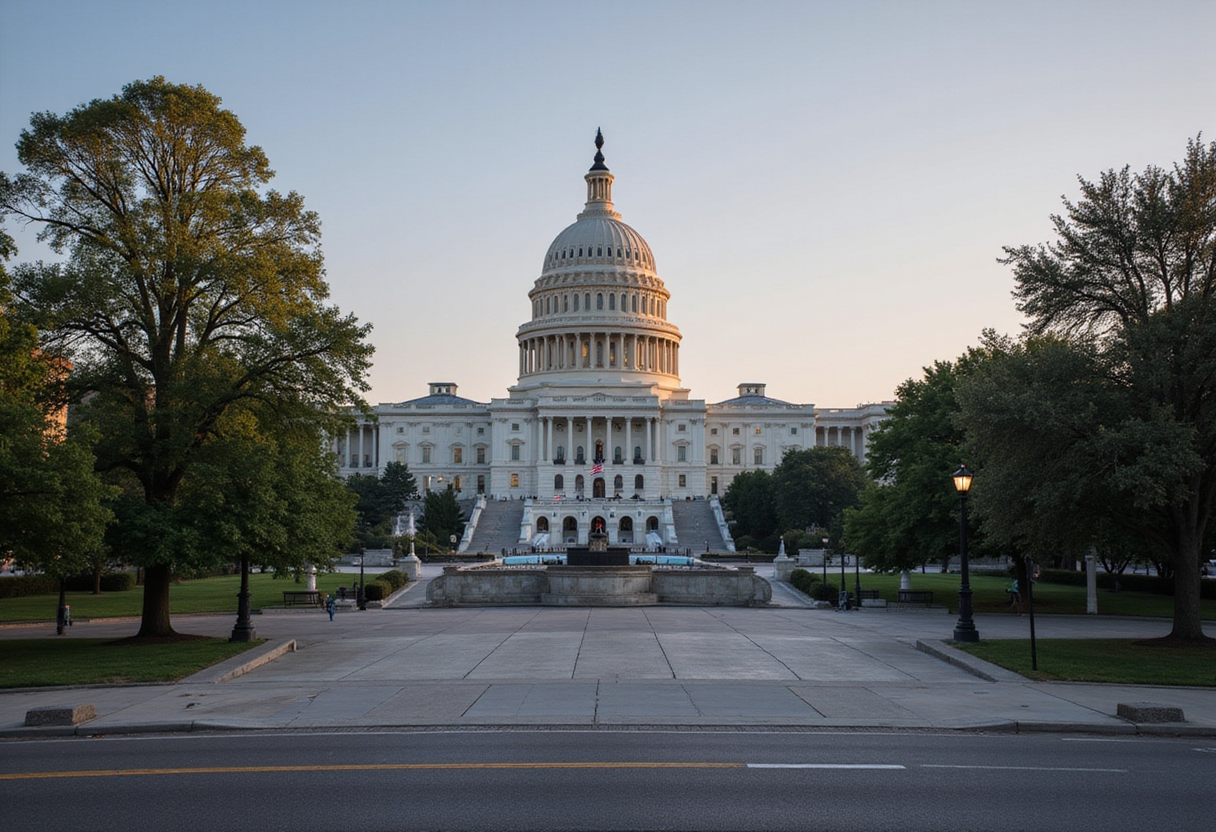
A delegation of South Carolina cancer advocates traveled to Washington this week to press lawmakers for increased federal funding for cancer research, according to a report by WRDW. The visit puts a state-level constituency directly into the annual fight over research budgets at the National Institutes of Health and the National Cancer Institute, where appropriation levels determine grant success rates for academic labs and clinical trial networks across the country.
The WRDW report does not specify the size of the delegation, the dates of the meetings, or the specific appropriations figures the advocates requested. What it does establish is the mechanism: citizens affected by cancer, organized through advocacy channels, meeting members of Congress and their staff to argue that research funding should rise rather than flatten.
For R&D managers at university medical centers, this kind of lobbying matters in a concrete way. Federal cancer research appropriations flow through NCI grants and contracts, and the payline — the percentile of reviewed applications that receive funding — moves with the budget. When advocates succeed in pushing appropriations upward, more investigator-initiated R01 awards clear the bar. When budgets stagnate, paylines tighten and laboratories cut staff or shelve projects.
Why citizen advocacy reaches Congress before grant applications do
The appropriation process runs on a political calendar, not a scientific one. Advocacy organizations coordinate hill days in which patients, survivors and family members meet with the offices that represent them, making the case for research spending in personal terms. These visits typically precede the markup of Labor-HHS appropriations bills, the legislation that sets NIH and NCI spending for the coming fiscal year.
South Carolina's delegation adds a state-specific dimension. Research institutions in the state compete for the same NCI funding pool as larger coastal research universities, and any expansion of that pool changes the arithmetic for every applicant, from major cancer centers to smaller programs building their first competitive portfolios.
What the report does and does not establish
The WRDW account, as surfaced, consists of the headline and outlet attribution without full article text. On that basis, several questions remain open, and R&D decision-makers should treat the following as unverified rather than assumed:
- The number of advocates participating and the organizations coordinating the effort.
- The specific dollar increase or appropriations figure the group is seeking.
- Which members of Congress or Senate offices the delegation met.
- Whether the visit targets NCI specifically or federal health research funding broadly.
Each of these details affects how much weight the effort carries. A delegation of dozens organized by a national advocacy network carries different signaling value than a small independent group, and a named appropriations target gives budget analysts something to model.
How funding advocacy connects to laboratory outcomes
The pathway from a hill-day visit to a funded grant runs through several stages, each with measurable effects. Congress passes an appropriations bill. NIH receives its topline. NCI allocates its share across grant mechanisms, training awards and contracts. Institutes set paylines. Reviewers score applications. Laboratories learn whether multi-year projects proceed.
At every stage, the numbers propagate downward. A flat appropriation in a year of rising application volume effectively shrinks the funded share of science, even without any nominal cut. Advocates making the case on Capitol Hill are, in effect, arguing at the one point in that chain where voters rather than reviewers hold influence.
South Carolina advocates who made the trip are betting that direct constituent pressure improves the odds for the FY appropriations now under consideration. Whether their meetings shift any position among the state's representatives will not become visible until committee markups and floor votes, and ultimately in the budget lines that determine what cancer research the federal government buys next year.
via Google News: Research funding & science budgets (Source)
Filed under
- cancer-research
- nih-funding
- nci
- federal-appropriations
- research-advocacy
More from Priya Raman
Show full bio
Staff writer covering money, funding and market shifts around research and development at Hypothesis Wire.
183 articles
References
- South Carolina Cancer Advocates Take Funding Case to Capitol Hill
- Senate Moves to Insulate Cancer Research Funding From Politics
- Cancer Advocacy Group Presses Congress to Shield Research Funding
- Trump Moves to Take Direct Control of Health-Research Funding
- Trump Moves to Bring Health-Research Funding Under Direct Control