Proceedings · Session S-856 · filed October 10, 2026
Lab Technology & MethodsSession paper
Sandia develops microwave process for spent battery cathode upcycling
Sandia National Laboratories is developing a microwave-driven process to upcycle spent lithium-ion battery cathodes into a domestic supply of critical materials. The published source does not disclose recovery yields, operating parameters, or program milestones.
By Rebecca Stone3 min read505 words
Summary
- Sandia National Laboratories is developing a microwave-driven cathode-upcycling process
- Target output is a domestic supply of critical materials for the United States
- The published source does not specify recovery yields for cobalt, nickel, lithium, or manganese
- Conventional recovery routes include pyrometallurgical, hydrometallurgical, and direct recycling categories
- No researcher quotes, funding figure, or program milestone schedule appears in the published report
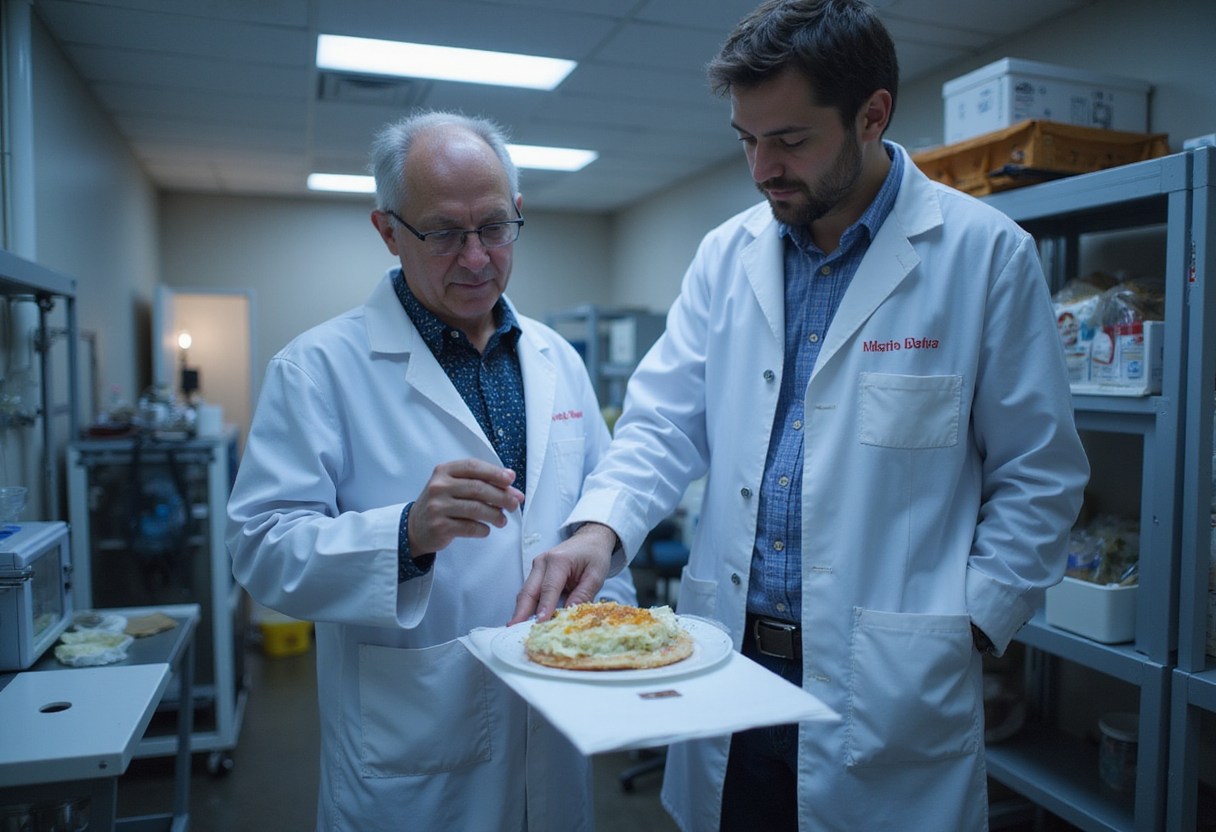
Sandia National Laboratories is developing a microwave-driven process to upcycle spent lithium-ion battery cathodes into a domestic supply of critical materials, according to an Energies Media report. The announcement positions a US national laboratory inside a recovery segment that R&D managers across the battery supply chain have tracked as a priority.
The headline finding sits in the use of microwave energy rather than conventional pyrometallurgical or hydrometallurgical recovery routes. Microwave heating can deliver targeted energy to material interfaces, and academic and lab-scale programs have explored the approach for electrode materials. Sandia's effort would extend that body of work toward a defined upcycling pipeline.
For R&D leaders, the open variables are throughput, selectivity, and energy intensity — the three parameters that determine whether a recovery technology survives techno-economic analysis at pilot scale.
How does the process differ from existing recovery routes?
Conventional spent-cathode processing splits into three broad families:
- Pyrometallurgical smelting, which loses lithium to slag
- Hydrometallurgical leaching, which delivers high-purity salts but generates acid waste streams
- Direct recycling, which preserves cathode crystal structure and requires careful feedstock sorting
A microwave route would most plausibly function as an enabling step — selective decomposition, pre-heating, or binder removal — rather than as a complete substitute for those routes. The published source does not specify temperature cycles, residence time, or recovery yields for cobalt, nickel, lithium, or manganese. No quotes from the research team appeared in the source.
Why does the lab's involvement matter?
National laboratories in the US operate under federally funded R&D contracts and carry analytical infrastructure that most startups cannot match. Sandia's portfolio already spans grid storage, materials characterization, and pulsed-power research. A cathode-upcycling program inside that portfolio signals that federal interest in critical-materials recovery now extends to microwave processing alongside more established routes. R&D managers planning capital expenditure around cathode materials should expect federal procurement standards to evolve around whichever upcycling pathway the labs help validate.
What sits between announcement and deployment?
The gap between laboratory demonstration and domestic supply chain is substantial. A process typically moves along four stages:
- Milligram-scale proof of concept
- Bench-scale process development
- Kilogram-scale testing
- Tonne-scale piloting
Each stage demands fresh analytical work: contaminant tracking, life-cycle assessment, and integration with black-mass logistics. The source does not state where the Sandia work sits along that pathway, whether a partner manufacturer has been lined up, or what funding vehicle supports the program.
What should R&D managers watch next?
For battery R&D budgets, an established microwave-upcycling route would shift the cost structure of cathode active materials if selective recovery lowers downstream refining energy. Sandia's announcement, if validated through technical disclosures, gives portfolio managers an additional lane to track.
The next signal to watch is whether the laboratory publishes process parameters, files patent applications, or pairs with a US cathode or precursor manufacturer for pilot trials — the standard markers separating an R&D concept from a deployable supply chain intervention.
via Google News: Research infrastructure & national labs (Source)
Filed under
- battery-recycling
- microwave-processing
- cathode-upcycling
- critical-materials
- sandia-national-laboratories
More from Rebecca Stone
Show full bio
Market editor covering marketplaces and e-commerce at Hypothesis Wire.
183 articles
References
- Sandia turns to microwave chemistry to recover battery metals
- Sandia Picks EEI to Lead National LDES Commercialization Push
- Sandia tops out $400M power sources facility, targets 2028 completion
- Nano-precursor route cuts PCEC electrolyte production from 85 to 33 hours
- WeLion's 824 Wh/kg cell tops lithium-ion by 4x in 2025 lab test