Proceedings · Session S-361 · filed November 6, 2026
Research InfrastructureSession paper
Nigeria's Train 7 Hits 94% Construction as Lagos Roundtable Targets Gas
Train 7 is 94% built and will lift NLNG capacity 35% to 30 mtpa by end-2027, as Nigeria and France weigh gas, local content and technology transfer.
By Priya Raman4 min read716 words
Summary
- Train 7 is 99.5% complete on engineering, 99.8% on procurement and about 94% on construction, with startup expected toward the end of 2027.
- Train 7 will raise NLNG capacity from 22 to roughly 30 million tonnes per annum, an increase of about 35 percent, and domestic LPG supply by about 50 percent.
- Nigeria holds approximately 215 trillion cubic feet of proven gas reserves, with wider resources estimated at 600 trillion cubic feet.
- NLNG has generated about $149.6 billion in revenue since startup, paid $47.9 billion in dividends and remitted about $10.5 billion in taxes.
- Seven pipeline incidents hit NLNG's DTS-1 line so far this year, down from roughly 12 in the previous year; close to 100 million Nigerians lack reliable electricity.
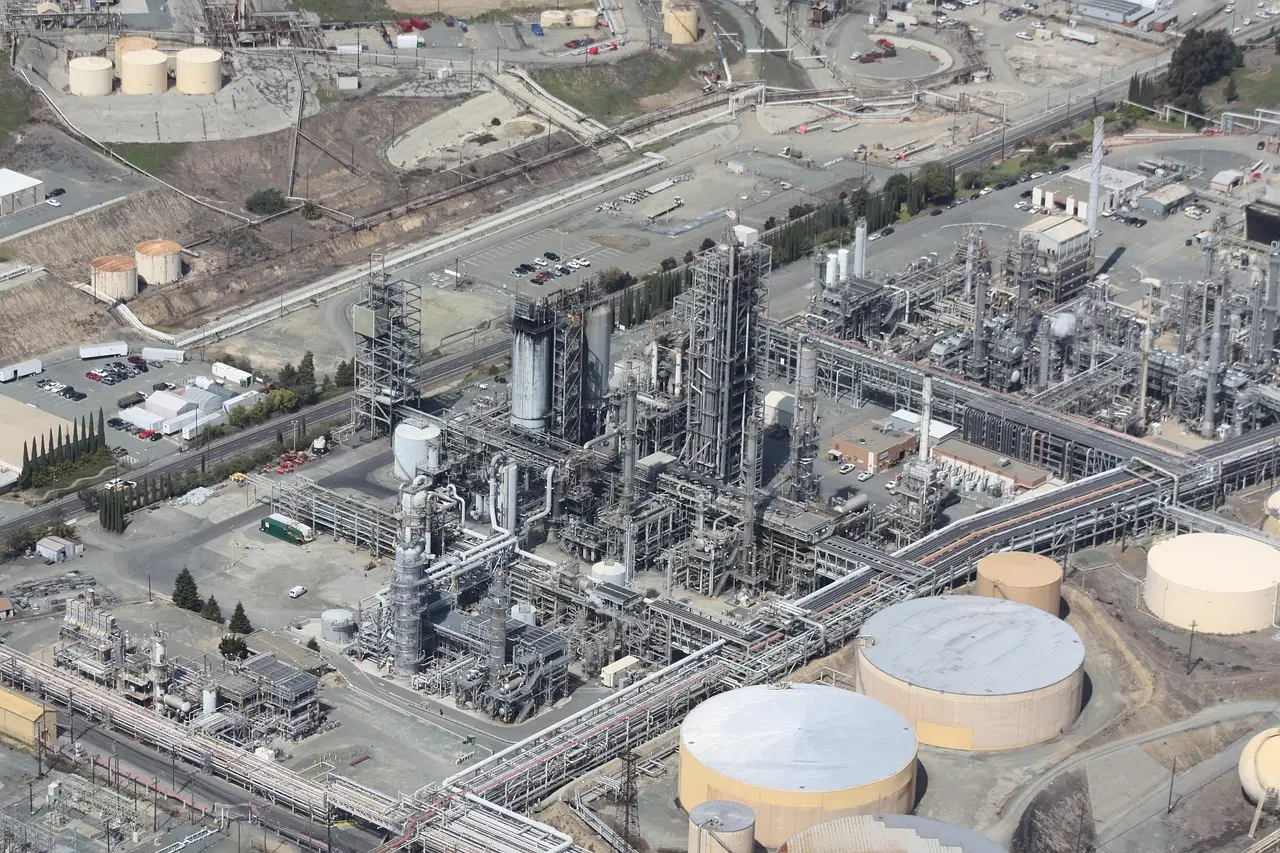
NLNG's Train 7 expansion stands at approximately 94 percent construction completion, with engineering 99.5 percent complete and procurement 99.8 percent complete, and the project will lift the company's liquefied natural gas capacity from 22 million to roughly 30 million tonnes per annum — a 35 percent increase — when operations begin toward the end of 2027. Adeleye Falade, managing director of Nigeria LNG Limited, disclosed the figures at the 2026 French Week energy roundtable in Lagos, an event organised by the Franco-Nigerian Chamber of Commerce and Industry (FNCCI), where executives and officials from both countries mapped the conditions under which French capital and technology would flow into Nigerian gas.
The roundtable's central argument was that Nigeria's resource base needs infrastructure, local capability and regulatory stability more than it needs foreign money alone. Falade put the country's proven gas reserves at approximately 215 trillion cubic feet, with wider resource estimates of about 600 trillion cubic feet. He argued that gas should be treated as a foundation for industrialisation, clean cooking, export earnings and economic diversification rather than merely a transitional energy source.
Train 7 serves as his exhibit. The project has recorded approximately 95 percent local content, with Nigerian companies manufacturing components including pressure vessels, cables and valves. About 16,000 people, largely young Nigerians, have worked on construction, and wider project activities have supported an estimated 40,000 jobs. Since commencing operations, NLNG has generated approximately $149.6 billion in revenue, paid $47.9 billion in dividends and remitted about $10.5 billion in taxes, Falade said. Higher production capacity would expand that contribution to government revenue further.
What did TotalEnergies and French officials put on the table?
Matthieu Bouyer, managing director and chief executive officer of TotalEnergies Nigeria, said Nigeria's energy requirements and resource base offered significant opportunities for deeper commercial partnerships. The company has operated in Nigeria for 70 years and views the country as a long-term investment destination, with continued opportunities to develop local talent, contractors and business partnerships, he said.
Bouyer set conditions, however. Attracting investment would require improvements in energy infrastructure, operational efficiency and environmental performance. He identified three priority areas for cooperation: gas development, energy transition and technology transfer, and he argued Nigeria needs a pragmatic approach to decarbonisation that accommodates its growing energy demand. Recovering gas currently lost through flaring could create commercial value while cutting emissions, he noted, as the resource could supply domestic industries, feed power generation or be exported.
Laurent Favier, France's consul-general in Lagos, framed the opportunity in starker terms. Close to 100 million Nigerians still lack reliable electricity despite the country's substantial oil and gas production, he said. He cited 2025 figures showing crude oil and condensate production averaging 1.77 million barrels per day and gas supply reaching 7.2 billion standard cubic feet daily. That gap between resources and electricity supply, he said, reinforced the importance of international investment and infrastructure development. French companies already active in the country include TotalEnergies, SPIE and Schneider Electric.
Where do the risks sit?
Falade identified pipeline security and reliable gas supply as critical to sustaining production growth and supporting investments in new facilities. NLNG has recorded seven incidents on its DTS-1 pipeline so far this year, compared with approximately 12 in the previous year — an improvement, but a persistent drag on planning certainty. Inadequate infrastructure and an uncertain investment environment remain important constraints on using gas for manufacturing and industrial development, participants agreed.
Domestic gas use also featured prominently, particularly liquefied petroleum gas. In 2022 NLNG was directed to supply all its LPG production to the domestic market to support clean cooking objectives. Falade noted that household air pollution linked to traditional cooking fuels causes an estimated 100,000 deaths annually in Nigeria, with women particularly affected. NLNG's capacity to supply the domestic LPG market is expected to rise by approximately 50 percent once Train 7 is complete.
What happens next?
The numbers presented in Lagos — a 35 percent capacity increase, 95 percent local content, 40,000 supported jobs — give both governments a measurable template for the partnerships they say they want, and the end of 2027, when Train 7 starts up, will be the first hard test of whether it holds.
via Google News: Technology transfer (Source)
Filed under
- nigeria
- liquefied-natural-gas
- train-7
- energy-infrastructure
- technology-transfer
More from Priya Raman
Show full bio
Staff writer covering money, funding and market shifts around research and development at Hypothesis Wire.
250 articles
References
- Nigeria's Tinubu Targets Technology Independence, Central Research Fund
- Nigeria opens Czech tech-transfer talks to rebuild DICON capacity
- Nigerian society pledges technology transfer push in HVAC&R sector
- Nigeria's Tinubu asks Senate to back national R&D fund
- India's Oil Ministry Moves to Centralise R&D Steering for Oil and Gas