Proceedings · Session S-728 · filed November 4, 2026
Research InfrastructureSession paper
Facility Footprint, Not Process Type, Drives Antibody Plant Energy Use
A modeling study in New Biotechnology finds 85% of antibody-plant energy demand comes from facility infrastructure, with facility footprint — not process type — driving energy intensity.
By Priya Raman3 min read576 words
Summary
- About 85% of energy demand in antibody manufacturing came from facility infrastructure, with HVAC at 46% and lighting at 21%.
- Continuous processing required 13,239 kWh/kg of antibody versus 19,120 kWh/kg for stainless-steel fed-batch across 120 kg/year facilities.
- An intensified continuous scenario cut water use 26%, consumables 58%, and CO2-equivalent emissions by up to 78% versus stainless-steel fed-batch.
- Facility improvements could reduce modeled energy consumption and emissions by up to ~35%.
- The study, by Amgen's Benjamin Smith and the NIIMBL workgroup, modeled single-bioreactor plants only and excluded some lifecycle impacts.
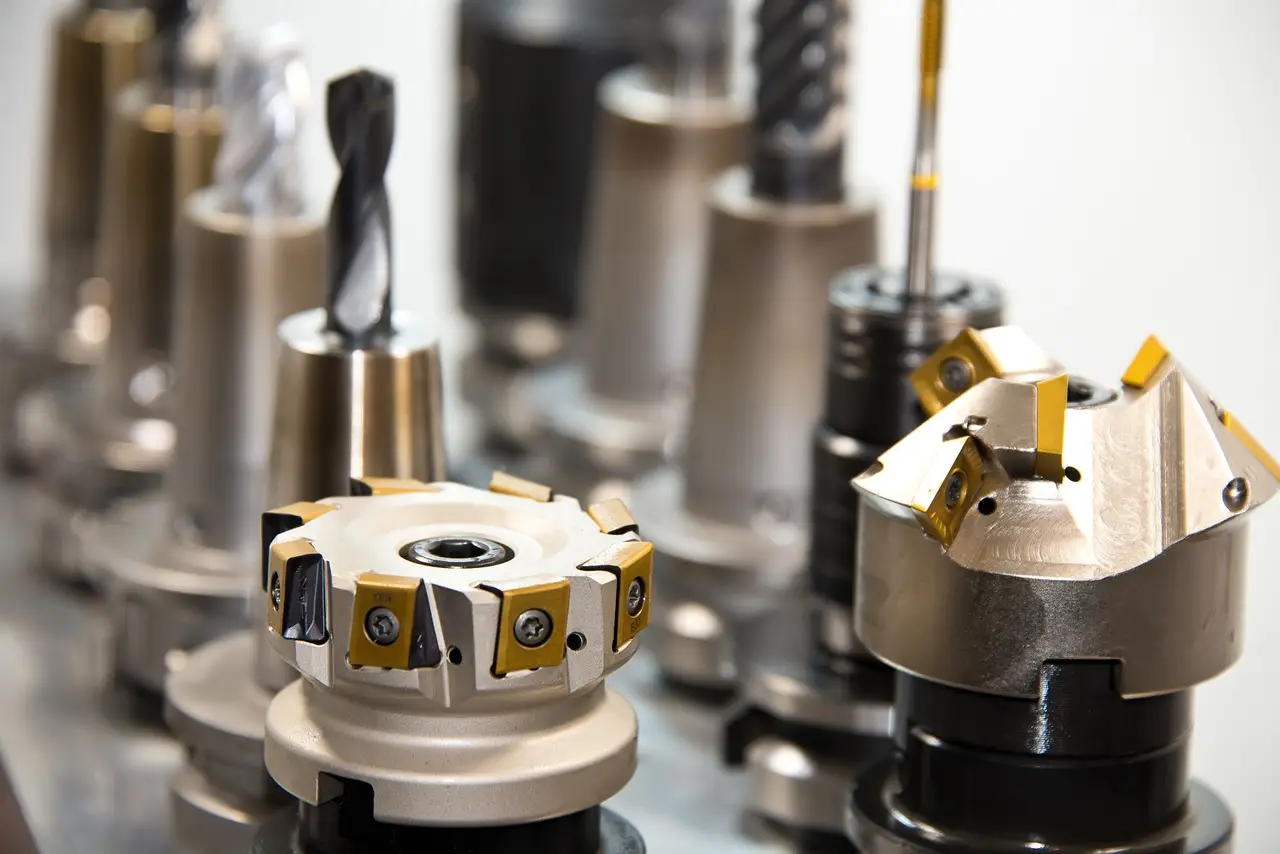
Roughly 85% of the energy demand in monoclonal antibody manufacturing comes not from the bioreactor but from the facility around it — heating, ventilation and air conditioning, lighting and utilities — according to a modeling study published in New Biotechnology by Benjamin Smith, PhD, a principal data scientist at Amgen, and colleagues from the NIIMBL Process Intensification Sustainability Workgroup.
The numbers are granular. Electricity for HVAC alone accounted for 46% of energy use across the modeled scenarios, and lighting added another 21%. For R&D managers weighing capital allocations, the message is blunt: a plant's layout and building systems may matter as much as its production technology.
What did the researchers actually model?
The team compared three scenarios for facilities producing roughly 120 kg of antibody annually:
- Stainless-steel fed-batch, using 2,000-L bioreactors
- Single-use fed-batch, also at 2,000 L
- End-to-end single-use continuous processing, using a 500-L bioreactor over a longer production run
All three were simulated in BioSolve Process software, tracking water and materials consumption, energy demand and greenhouse-gas emissions. The smaller continuous vessel delivered comparable annual output with less infrastructure: its modeled facility occupied 12,387 cubic meters, versus 14,089 for single-use fed-batch and 14,937 for stainless-steel fed-batch.
That difference in floor space drove the energy result. Continuous manufacturing required 13,239 kilowatt-hours per kilogram of antibody, compared with 17,017 kWh/kg for single-use fed-batch and 19,120 kWh/kg for stainless-steel fed-batch — a spread of roughly 31% between the best and worst cases. The researchers concluded that, at equivalent output, "facility footprint—not process type—is the main determinant of energy intensity."
Is continuous processing automatically greener?
No. The study is careful on this point, and portfolio decisions should be too. Stainless-steel systems consumed considerably more cleaning water but required substantially fewer disposable consumables. Single-use fed-batch carried the highest consumables intensity. Continuous processing demanded more culture medium and certain buffers. Sustainability choices here involve competing demands rather than a single winner.
Where were the largest modeled gains?
The workgroup then pushed the continuous scenario harder. A more efficient version incorporated a 50% increase in antibody titer, two flow-through polishing steps, fivefold-concentrated medium, and reuse of media and buffer bags. Against the baseline continuous process, that combination cut water use per kilogram by 26% and consumables intensity by 58%. Modeled carbon dioxide-equivalent emissions fell by 66% relative to baseline continuous processing, and by 78% relative to stainless-steel fed-batch.
The building itself offered a second lever. Reducing cleanroom classifications where appropriate, optimizing airflow and lighting, increasing equipment density and improving utilities together lowered modeled facility energy consumption and emissions by up to approximately 35%. Geography also entered the equation: temperate locations generally required less heating or dehumidification than colder or humid sites — a factor worth weighing in site-selection decisions.
What are the study's limits?
The models considered hypothetical single-bioreactor plants, not larger commercial facilities running multiple production trains. The assessment also excluded some lifecycle impacts, including raw-material production and transportation. These are modeled projections, not measured plant data, and the workgroup plans to extend the analysis through full lifecycle assessment and test-bed data.
For bioprocess developers, the implication is that boosting productivity while shrinking the space needed to achieve it may deliver sustainability gains beyond anything available from individual equipment upgrades.
via doi.org (Original)
Filed under
- antibody-manufacturing
- continuous-processing
- facility-footprint
- energy-efficiency
- sustainability
More from Priya Raman
Show full bio
Staff writer covering money, funding and market shifts around research and development at Hypothesis Wire.
250 articles
References
- DOE Opens Industry-Lab Funding Track for Commercial Partnerships
- ARPA-H Commits Up to $87 Million to Room-Temperature Cell Therapy Storage
- Just-Evotec Opens CHO Media Platform to Market After 70-Project Run
- DOE Opens $41 Million Lab Call to Push Technologies Toward Market
- PNNL starts building 30,800-sq-ft autonomous microbe lab for 2029