Proceedings · Session S-525 · filed November 18, 2026
AI & Emerging Tech in R&DSession paper
Isomorphic Labs banks $5 billion in biotech's largest venture round
Isomorphic Labs raised $5 billion led by Greenoaks and Sequoia, biotech's biggest venture round, to scale its IsoDDE engine and move first preclinical programs toward human trials.
By Rebecca Stone4 min read707 words
Summary
- Isomorphic Labs raised $5 billion on Nov. 17 in biotech's largest venture round, co-led by Greenoaks and Sequoia Capital.
- The company has raised at least $7.7 billion since March 2025; Alphabet holds 75% or more of shares and voting rights.
- Bloomberg reported the round values Isomorphic at roughly $50 billion.
- First clinical trials are targeted by end of 2026; all disclosed programs remain preclinical.
- AI-enabled drug discovery funding doubled from $4.1 billion in 2023 to $8.4 billion in 2025, per McKinsey.
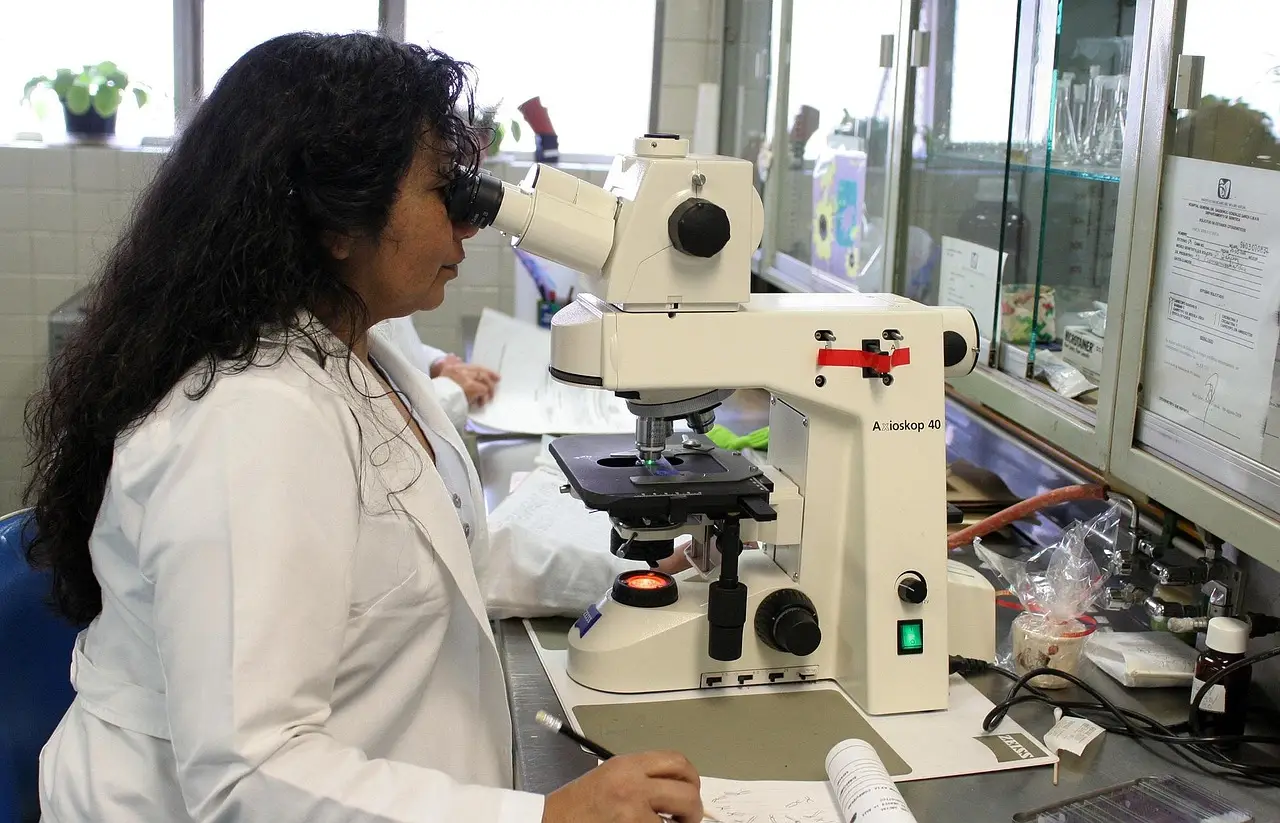
Isomorphic Labs has raised $5 billion in a Series C round that BioSpace calls the largest venture financing in biotech history, six months after the Alphabet-controlled company collected $2.1 billion in its Series B. Greenoaks and Sequoia Capital co-led the round, announced Nov. 17, for the drug-design company led by Nobel laureate Demis Hassabis.
The financing surpasses the $3 billion that Altos Labs raised at its 2022 launch and more than doubles Isomorphic's May Series B. For scale, AI drug developer Xaira Therapeutics launched in April 2024 with just over $1 billion in committed capital. BioSpace counts at least $7.7 billion raised by Isomorphic since March 2025. Bloomberg had reported Nov. 4 that the company was negotiating roughly $5 billion at a valuation of about $50 billion.
Andreessen Horowitz and several other new investors joined. Alphabet invested again, and every existing backer participated: Thrive Capital, MGX, GV, CapitalG, Temasek and the UK Sovereign AI Fund. UK Companies House records reflecting a June share allotment show Alphabet holds 75% or more of Isomorphic's shares and voting rights. Hassabis, CEO since the 2021 spinout from DeepMind, stepped down as Google DeepMind's CEO in August and now chairs that unit while serving as Alphabet's chief scientist.
Where will the money go?
Isomorphic says it will spend the round on maturing IsoDDE, its proprietary drug-design engine — a suite of simulation models the company describes as working across therapeutic areas and drug modalities. Plans also include what the company calls global infrastructure for AI-led bioengineering, plus translational and clinical development infrastructure for moving candidates into trials.
"This round enables us to accelerate our progress: building foundational biology models, deepening our systemic disease understanding, and driving our first therapeutic programs towards clinical trials to deliver tangible impact for patients," Hassabis said in the release.
Those are company projections, not measured results. Isomorphic's disclosed milestones remain preclinical: the company says its models are producing positive preclinical results in internal oncology and immunology programs and with partners, "setting the stage for clinical entry." President Max Jaderberg, speaking at Bloomberg Tech in London on Nov. 2, described the programs as "deep in pre-clinical development." Hassabis said at Davos in January that Isomorphic expected its first clinical trials by the end of 2026 — a target that replaced his earlier goal of AI-designed drugs in trials by the end of 2025 and that now sits six weeks away.
How open is the technology?
The strategy marks a break with DeepMind's publishing record. The two companies developed AlphaFold 3 (the protein-structure prediction model) together and published it in May 2024 with access through the web-based AlphaFold Server, then released its code and, under non-commercial terms, its model weights that November. Isomorphic described IsoDDE in a Feb. 10 technical report without code, weights or training details, and Nature reported the company has no plans to reveal the "secret sauce."
The models reach the market through internal programs and partnerships with Eli Lilly, Novartis and Johnson & Johnson rather than through licensing. "We're not selling access to the models, we're not selling tokens or API access," Jaderberg said at the London event.
What does the round signal for the sector?
The financing extends a sharp rise in AI drug-discovery capital. McKinsey reported in September that investor funding for AI-enabled drug discovery more than doubled from $4.1 billion in 2023 to $8.4 billion in 2025, while headline AI deal value among the top 20 drugmakers doubled to $29.5 billion in 2025. Drugmakers paid only 2% of that 2025 deal value up front and tied 60% to 90% to later clinical and commercial milestones — a structure that keeps most cash contingent on data. Dealroom figures cited by CNBC put drug-discovery startup fundraising at a record $23.2 billion so far in 2026.
For R&D managers, the round raises a practical question of capacity: a $5 billion injection into preclinical AI programs will compete for the same translational and clinical infrastructure other developers are building. Whether Isomorphic meets its end-of-2026 trial deadline will be the first hard test of whether the capital converts into clinical candidates.
via isomorphiclabs.com (Original)
Filed under
- isomorphic-labs
- ai-drug-discovery
- venture-funding
- isodde
- clinical-development
More from Rebecca Stone
Show full bio
Market editor covering regulation, policy and their impact on research and development at Hypothesis Wire.
274 articles
References
- Isomorphic Labs predicts AI-designed drugs as $5bn raise talks surface
- Pharma's $29.5 Billion AI Bet Faces a Seven-Year Wait for Proof
- Forbion raises $2.6 billion, its largest life sciences fund to date
- AstraZeneca Puts $2 Billion Into Summit Therapeutics
- Novartis Pays $575M Upfront for Chinese mRNA Autoimmune Asset