Proceedings · Session S-248 · filed November 10, 2026
Lab Technology & MethodsSession paper
E2F1 restarts cell division without opening chromatin
UC Santa Cruz researchers report that E2F1 can reactivate quiescent cells without changing global chromatin accessibility, driving at most three divisions without growth signals.
By Sophie Lindqvist4 min read818 words
Summary
- A single E2F1 transcription factor drove G0-to-G1 reentry without changing global chromatin accessibility.
- Cells divided at most three times without additional growth signals.
- Deleting E2F1’s DNA-binding domain eliminated cell-cycle reentry in the reported experiments.
- Live single-cell imaging with in-house DeepSea software tracked division over time.
- Follow-up work will examine eight genes in the E2F1 family.
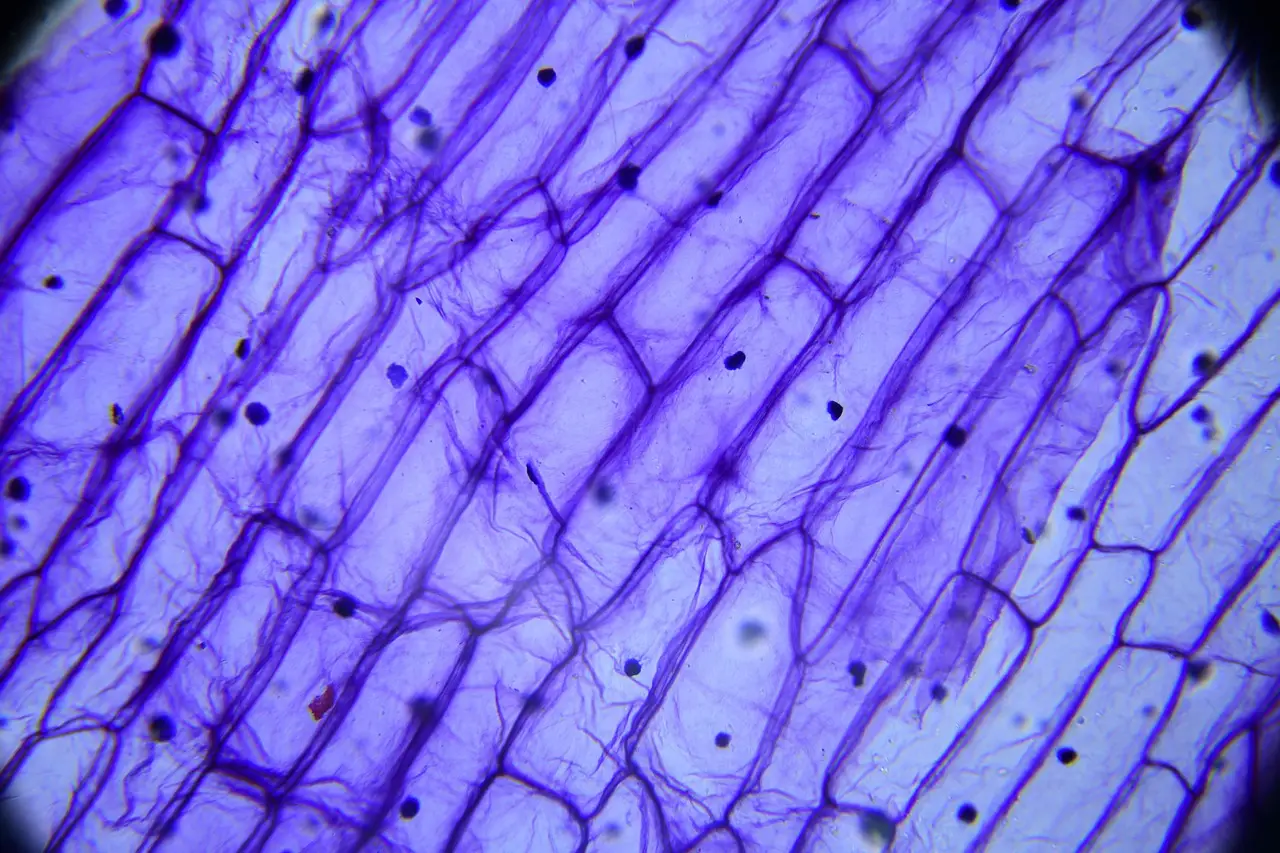
The E2F1 transcription factor drove quiescent cells back into the cell cycle without changing global chromatin accessibility, UC Santa Cruz researchers report. The cells divided at most three times without additional growth signals.
The result appears in The EMBO Journal in “E2F1 induces a G0-G1 reentry transcriptional program without changing chromatin accessibility” (DOI: 10.1038/s44318-026-00936-4). Ali Shariati, PhD, associate professor of Biomolecular Engineering at the Baskin School of Engineering, and Seth Rubin, PhD, professor of Chemistry and Biochemistry at UC Santa Cruz, served as co-senior and co-corresponding authors.
What did E2F1 do in quiescent cells?
Most cells in the body occupy a reversible, nondividing state called G0 quiescence. Chromatin-based mechanisms suppress cell-cycle genes while leaving cells poised to respond to growth cues. Without restraint, the same division capacity can support abnormal tissue growth and cancer.
The body must actively maintain that balance. Shariati used the liver as an example, saying cells stop dividing once the organ reaches its required size.
When tissue repair or growth requires division, cells receive signals such as growth factors. In laboratory cultures, researchers commonly add nutrients and growth factors to dormant cells, which then divide. That route normally involves physically unpacking DNA from proteins inside the nucleus.
E2F1 normally acts as a transcriptional activator of genes encoding cyclins, cyclin-dependent kinases and DNA-replication machinery. The UC Santa Cruz team confirmed earlier reports that activating E2F1 could trigger division without growth signals.
In their system, E2F1 bound directly to a small genomic region and promoted cell-cycle genes through an accelerated expression program. That activity produced no global change in chromatin accessibility. The authors describe E2F1 as a potent regulator of cell-cycle reentry that does not require those accessibility changes.
How did the researchers test the mechanism?
The team followed division over time with live single-cell imaging methods developed in Shariati’s lab. These methods included the in-house DeepSea software. Deleting E2F1’s DNA-binding domain produced a complete loss of cell-cycle reentry in the reported system. This made DNA binding necessary for the effect under the study conditions.
Ali Shariati said: “The surprising part is, unlike the typical process, E2F1 is able to activate the cell cycle genes without physically unpacking the genome much or at all.” The authors also described E2F1-driven exit from quiescence as faster than the nutrient-triggered route, although the report gives no numerical speed comparison.
Cells appeared to sense a threshold level of E2F1: once the level crossed that point, dormant cells began dividing. The report gives no concentration or expression value for that threshold. Its behavior resembles “pioneer factors,” transcription factors that can unlock tightly packed DNA and reprogram cells. However, the study reports no global change in chromatin accessibility.
The authors said their work redefines the relationship between transcription factors and chromatin during cell-fate transitions. They also cautioned that the precise mechanism by which E2F1 activates cell-cycle genes without substantial accessibility changes remains unknown. Cancer-cell exploitation is therefore a hypothesis, not a demonstrated therapeutic vulnerability.
What does the finding mean for cancer research?
E2F1 controls central cell-cycle machinery and malfunctions in many cancers. Shariati said cancers may evade normal checks and raise E2F1 levels, giving cells a shortcut back into division. The researchers suspect cancer cells can use this route. The report does not describe a cancer-model test that distinguishes this use from normal quiescence exit.
Shariati plans to examine how E2F1 activates genes after binding the genome. His group also plans to study eight genes in the same family, some of which induce dormancy, and assess their roles in cancer. These are mechanism and target-selection studies. The report identifies no drug candidate, animal study or clinical test.
Seth Rubin said: “We have been wondering whether there are ways to target E2F1 itself to stop cancer cells from proliferating.” He placed the first steps at identifying which specific cancers would benefit from blocking E2F1 and then finding molecules that bind E2F1 and prevent activation of cell-cycle gene expression.
Direct inhibition would differ from the established strategy of inhibiting upstream proteins that control E2F1 activity. The report does not present evidence that such molecules exist or can reach and inhibit E2F1 in tumors.
For R&D planning, the report offers a testable mechanism, evidence that DNA binding is required, and a single-cell imaging workflow with DeepSea. It omits the experimental cell type or organism, sample size, replicate count, quantified effect sizes, E2F1 threshold, statistical analysis and funding source.
Those omissions prevent comparison of the three-division limit with established therapeutic benchmarks. No animal or clinical efficacy data appear in the report.
The next decisive work is narrow and measurable: resolve E2F1’s binding-to-activation mechanism, profile the eight family members and identify cancer types with enough E2F1 dependence to justify direct inhibitor discovery.
via doi.org (Original)
Filed under
- e2f1
- cell-cycle-reentry
- chromatin-accessibility
- single-cell-imaging
- quiescence
More from Sophie Lindqvist
Show full bio
Correspondent covering money, funding and market shifts around research and development at Hypothesis Wire.
219 articles
References
- HOXA10 Identified as Lifelong Guardian of Bone Stem Cell Supply
- Three-Day CAR T Expansion Could Counter 30% Annual Therapy Waste
- IPF pipeline heats up: Boehringer preps NDA, Refoxy raises $9.58M
- Cancer Cell publishes sac-TMT plus osimertinib translational data
- Optogenetic Cell Lines Double Titers and Aim at Filings Within Two Years