Proceedings · Session S-671 · filed November 11, 2026
Corporate & Industrial R&DSession paper
Celtic Renewables Wins CPHI Green Chemicals Award on Fermentation Path
Celtic Renewables' bio-acetone meets US Pharmacopeia spec; its Grangemouth GMP plant has passed audits by three large pharma companies.
By Priya Raman3 min read582 words
Summary
- Celtic Renewables won the CPHI Award for Sustainable Pharma Excellence for Green Chemicals at CPHI Milan in October.
- Its bio-acetone meets US Pharmacopeia specification; bio-butanol impurities are managed with a caustic soda wash.
- The Grangemouth demonstrator operates under GMP and has been audited by three large pharmaceutical companies.
- The next commercial plant targets significantly higher yields, dependent on moving beyond unpredictable wild strains.
- Feedstock blend of potatoes, whisky residue and sugar beet molasses is critical to preventing butanol from stalling fermentation.
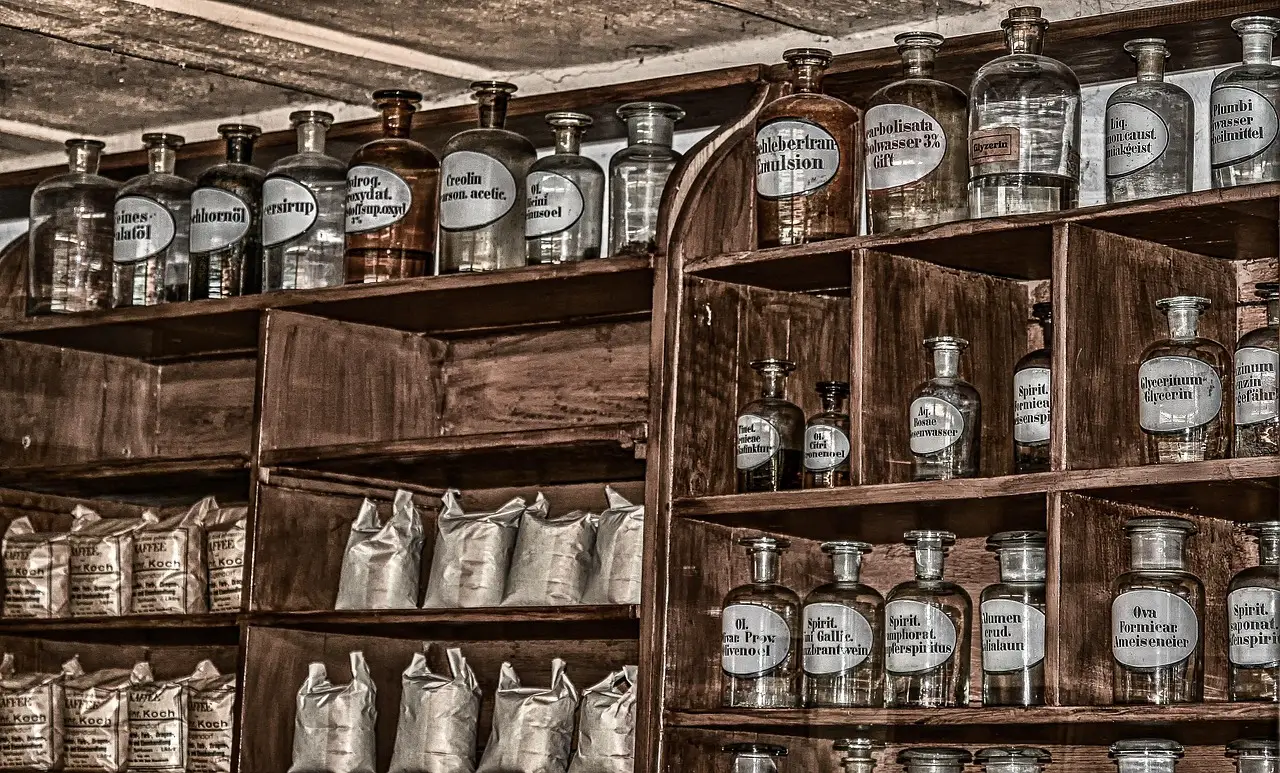
Celtic Renewables won the CPHI Award for Sustainable Pharma Excellence for Green Chemicals at CPHI Milan in October, recognition for a patented biorefining process that turns low-value waste into solvents the pharmaceutical industry can actually use. The award, judged by CPHI, spotlights a company that has moved from laboratory concept to a good-manufacturing-practice demonstrator plant at Grangemouth — one already audited by three large pharmaceutical companies.
Chief commercial officer Bettina Brierley, who has spent more than 35 years in the chemical industry at Hoechst AG, Clariant AG and Caldic UK, laid out where the process stands and where the biology still needs work.
What does the process actually produce?
The company's ABE-style fermentation converts whisky residues and reject potatoes, combined with sugar beet molasses, into bio-acetone, bio-butanol and bio-ethanol. Product quality is no longer the open question. The company's bio-acetone meets US Pharmacopeia specification, according to Brierley.
For bio-butanol, the impurity of concern is butyric acid. The plant handles it with a caustic soda wash, which removes most of it and brings the product to the specification pharmaceutical manufacturers require. Procurement teams evaluating drop-in green solvents can therefore benchmark these materials against existing pharmacopoeial grades rather than accepting a novel specification.
Why does the feedstock mix matter so much?
Brierley's central technical point concerns feedstock balance rather than organism performance. Butanol toxicity, often a limiting factor in this class of fermentation, has not proven to be a major problem at current scale, she said. Outcomes depend heavily on the blend of potatoes, whisky residue and molasses. Getting that balance right is essential to preventing butanol from stalling the fermentation.
That finding cuts both ways for R&D managers watching the field. It means the constraint is feedstock logistics and blending discipline, which is an operational problem plants can engineer around. It also means yield is hostage to input consistency in a way a fixed-recipe chemical process is not.
Where are the yields heading?
The next phase, a full commercial plant, targets significantly higher yields than the demonstrator achieves today. Reaching those numbers requires work on the strain side, not just the engineering side. Celtic Renewables currently uses wild strains only, and Brierley is candid about their behavior: they have a tendency to "misbehave" unpredictably. Manipulating the strains may deliver the higher yield points the company is aiming for as it scales up, she explained.
So the projected yield gains rest on strain development that has not yet been completed. Measured results — USP-grade bio-acetone, specification-grade bio-butanol, GMP-compliant operation — stand apart from projections of higher commercial-scale yields.
Can the operation scale under GMP?
The Grangemouth demonstrator operates under GMP conditions, and the commercial plant will do likewise. Three large pharmaceutical companies have audited the site, and all of them, Brierley notes, were surprised at how well the operation was running. She credits that performance to a deliberate hiring strategy: people with fermentation and distillation experience drawn from the whisky industry, whose skills transfer directly to this biorefining process.
For portfolio planners at pharma manufacturers, the significance is a second, greener supply route for three workhorse solvents — acetone, butanol and ethanol — from a company whose quality systems have already survived big-pharma scrutiny. For Celtic Renewables, the challenge ahead is narrower and harder: engineer reliable strains, hold the feedstock blend steady, and convert an award-winning demonstrator into a commercial plant that hits those higher yields.
via pharmtech.com (Source)
Filed under
- fermentation
- biorefining
- green-solvents
- strain-engineering
- gmp-manufacturing
More from Priya Raman
Show full bio
Staff writer covering money, funding and market shifts around research and development at Hypothesis Wire.
266 articles
References
- Celtic Renewables Produces 500 Tons of Biosolvents; Pharma Demand dwarfs Supply
- DOE Names Funding Selections Under MACRO Algae Conversion Program
- Deep Eutectic Solvents Boost Enzyme Half-Lives Ninefold in Biocatalysis
- Sterile Injectables to Hit $984B by 2031, Raising Transfer Stakes
- DOE Opens Industry-Lab Funding Track for Commercial Partnerships