Proceedings · Session S-798 · filed October 10, 2026
Research InfrastructureSession paper
Binghamton University Opens New Cleanroom for Research and Training
Binghamton University has opened a cleanroom for advanced research and semiconductor workforce training; specs, budget and capacity figures remain unpublished.
By Tom Whitfield2 min read383 words
Summary
- Binghamton University has opened a new cleanroom facility.
- The university positions the facility for advanced research and workforce training.
- No ISO class, budget, capacity or equipment figures were disclosed in the announcement.
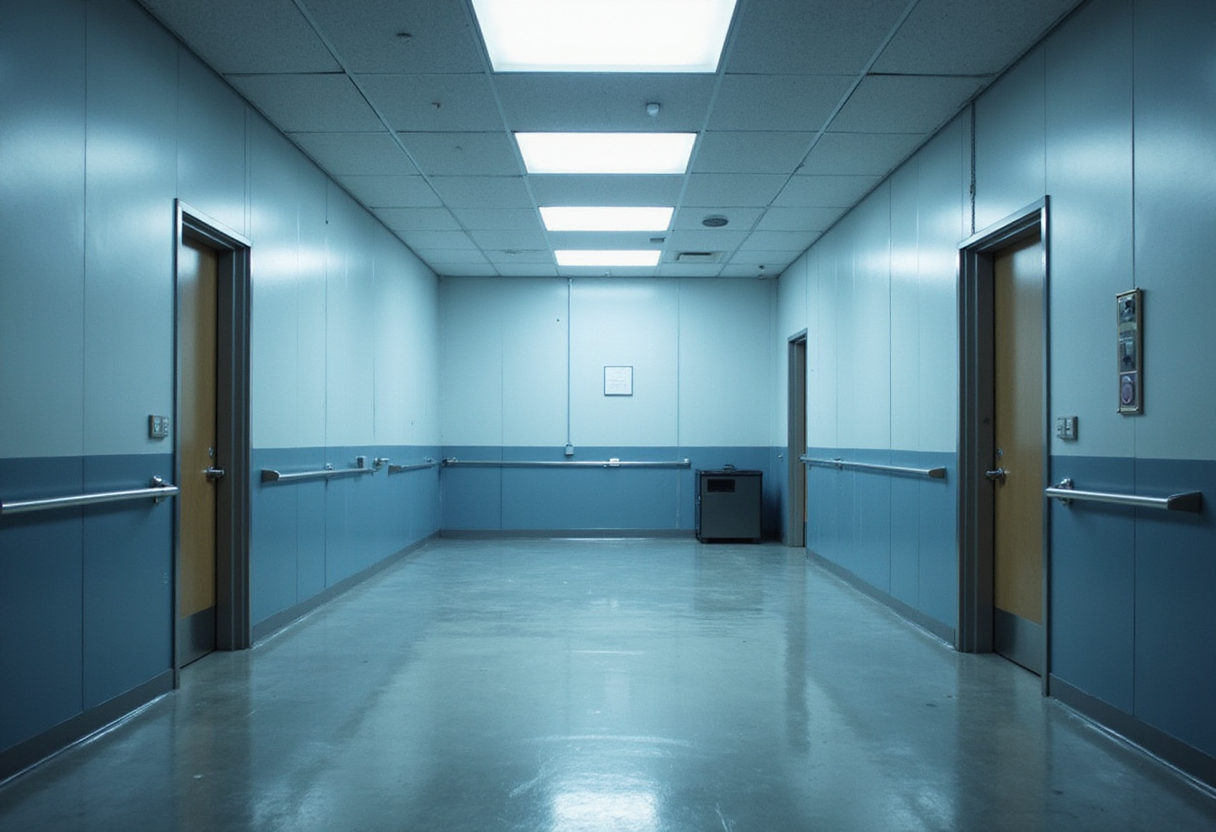
Binghamton University has opened a new cleanroom facility that it positions as a hub for advanced research and workforce training, according to an announcement from the university.
The university describes the facility as state-of-the-art, but the announcement offers little in the way of measured specifications — no particle-class certification, no wafer size, no tool inventory, and no published budget figure. R&D managers evaluating partnership or equipment-sharing opportunities should treat those gaps as the first due-diligence questions.
What does the facility actually provide?
Based on the university's announcement, the cleanroom is intended to serve two functions:
- Support advanced research in microelectronics and related fields
- Train workers for the semiconductor and electronics manufacturing sector
The announcement does not specify the cleanroom's ISO classification, square footage, or the specific fabrication and characterization instruments installed. Procurement and facility teams comparing this site against other university cleanrooms — such as those in the NSF-funded National Nanotechnology Coordinated Infrastructure — will need to request that technical detail directly.
Why workforce training matters here
Binghamton's framing ties the facility to regional and national semiconductor workforce demands. The CHIPS and Science Act has pushed universities to expand training capacity alongside fabrication research, and university cleanrooms increasingly double as teaching facilities for technician-level and engineering tracks.
The announcement does not state how many students or trainees the facility can accommodate annually, nor which degree programs or industry partners will use it first. Those numbers will determine whether the facility functions as a genuine workforce pipeline or primarily as a research asset with incidental training use.
What should R&D managers watch next?
The key verification points are concrete: published ISO class and environmental specs, an equipment list with tool availability and external-user rates, named industry or agency funding sources, and enrollment or training-capacity figures for the first academic year.
University press releases typically trail formal facility commissioning reports. If Binghamton publishes certification data and an access policy for external academic and industrial users, the site could become a practical option for regional R&D teams needing prototyping capacity without capital outlay.
The university says the cleanroom will support both research expansion and workforce preparation; the first cycle of published utilization and training numbers will show whether it delivers on both claims.
via Google News: R&D funding (Source)
Filed under
- cleanroom
- microelectronics
- semiconductor-workforce
- research-facility
- chips-act
More from Tom Whitfield
Show full bio
Senior reporter covering media and advertising at Hypothesis Wire.
190 articles
References
- NSF Commits $100M to National Quantum and Nanotechnology Infrastructure
- NSF Commits $100M to National Quantum and Nanotechnology Research Infrastructure
- ORNL opens Translational Research Capability, its newest facility
- NSF to Build National Quantum and Nanotech Infrastructure
- ISS National Lab doubles down on Orbital Edge accelerator model