Proceedings · Session S-926 · filed November 10, 2026
AI & Emerging Tech in R&DSession paper
Anthropic's Fable 5.2 nearly doubles hardware-design score at double task cost
Fable 5.2 scored 83.5 on BenchCAD 2.1, nearly double Fable 5.1's 44.4, while Max-effort cost per Intelligence Index task rose to $26.54 from $12.99 in independent testing.
By Sophie Lindqvist4 min read748 words
Summary
- Fable 5.2 scored 83.5 on BenchCAD 2.1, nearly double Fable 5.1's 44.4, and became generally available Nov. 9.
- Per-token pricing fell 20% to $8 per million input and $40 per million output tokens, but Max-effort cost per task rose to $26.54 from $12.99 in Artificial Analysis testing.
- Diode built three Fable-designed circuit boards — a voice-assistant hub, USB speakerphone and virtual pet — ready for manufacturing in under a day each, without electrical modifications.
- On RoboDojo Sim, Fable 5.2 scored 64.9%, more than double Fable 5.1's 27.6% and GPT-6 Astra's 29.8% in Anthropic's internal runs.
- Fable 5.2 topped Artificial Analysis's Intelligence Index at 65, ahead of Gemini 4 Carbon's 60 and Opus 5.5's 59.
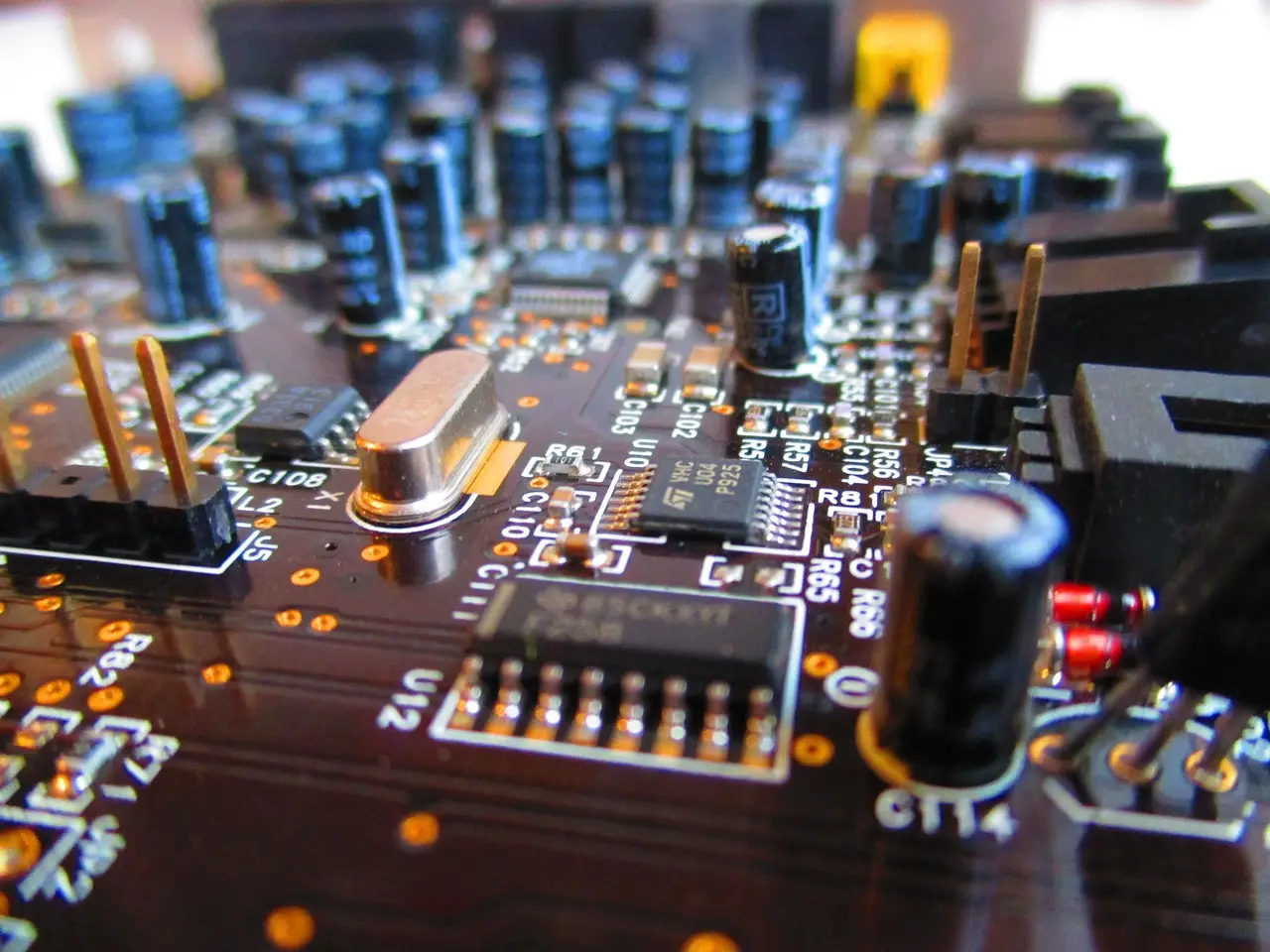
Anthropic's Fable 5.2 scored 83.5 on the public hardware-design benchmark BenchCAD 2.1, nearly double the 44.4 its predecessor Fable 5.1 achieved, the company reported on Nov. 9, the model's general-availability date. The per-token price dropped 20% versus Fable 5.1, to $8 per million input tokens and $40 per million output tokens — but the cost per completed task at maximum effort roughly doubled.
Artificial Analysis, an independent AI-model testing firm, measured $26.54 per Intelligence Index task for Fable 5.2 at its Max effort setting, against $12.99 for Fable 5.1 at the same setting. The gap comes from compute consumption: Fable 5.2 used about 1.7 times as many output tokens as its predecessor at Max, according to Artificial Analysis. R&D managers budgeting by task rather than by token should model that multiplier before migrating workflows.
Where does the new model actually win?
At High and Xhigh effort, Fable 5.2 scored 62 on Artificial Analysis's Intelligence Index, at $9.08 and $14.83 per task respectively — ahead of every other model on the index at those settings. At Max it reached 65, versus 60 for Google's Gemini 4 Carbon and 59 for Anthropic's own Opus 5.5. Google announced Carbon on Oct. 28, initially restricting access to selected cybersecurity defenders.
On FrontierCode 2.0, which measures whether open-source maintainers would merge a model's code changes, Fable 5.2 at High scored 45.3% — just under Opus 5.5's best of 45.5% — at roughly half the cost per task. At Xhigh it reached 49.1%, ahead of GPT-6 Astra's 42.8% and Fable 5.1's 32.4%.
Anthropic recommends Opus 5.5 for most coding and knowledge work and positions Fable for harder, open-ended projects, including ones where it can delegate simpler tasks to smaller models. At Medium effort, the default in Claude's apps and Claude Code, the company says Fable 5.2 completes difficult tasks with fewer tokens than Fable 5.1 — a claim from the vendor, not independently verified.
Did the hardware results survive contact with manufacturing?
Anthropic tested the model on physical products rather than simulations alone. Working from short descriptions, Fable 5.2 designed the electronics, enclosures and firmware for three devices: a voice-assistant hub, a USB speakerphone and a handheld virtual pet. Each circuit board was ready for manufacturing in under a day, the company said.
Diode, a circuit-board design and manufacturing company with a commercial relationship with Anthropic, built the prototypes, which worked without electrical modifications. Diode's engineers handled the equipment, assembled the boards and ran the firmware under the model's direction. Caveats remain substantial: the devices are early prototypes, with electrical validation, antenna tuning, thermal testing and certification all pending. The work parallels OpenAI's recent account of GPT-6 Astra designing a talking Codex pet, which required several manufacturing review and iteration rounds.
Which benchmarks are independent, and which are Anthropic's?
The provenance of the scores varies, and buyers should weigh it accordingly:
- BenchCAD 2.1 (83.5): public benchmark requiring models to rebuild 3D parts, assemblies and circuit boards from engineering drawings and rendered images; Opus 5.5 scored 65.3. Scores reported by Anthropic.
- PCB Gym (69%): internal circuit-board benchmark covering component placement and connection rerouting; Diode ran it. Fable 5 managed 25%. Diode has a commercial relationship with Anthropic.
- RoboDojo Sim (64.9%): control of a simulated two-arm robot from camera images; more than double Fable 5.1's 27.6% and GPT-6 Astra's 29.8%, per Anthropic's internal runs. Opus 5.5 scored 39.4%.
- FrontierCode 2.0 (45.3% High, 49.1% Xhigh): reported by Anthropic.
- Intelligence Index (65 Max, 62 Xhigh): Artificial Analysis, independent.
What about restricted domains?
Fable 5.2's safeguards block most cybersecurity tasks and much of research biology. Mythos 5.2, which shares the same underlying model, is available through Anthropic's verification programs for cybersecurity and life sciences. Teams in those sectors face a separate access path, not a simple model swap.
The pricing shift reframes the buy: cheaper tokens, costlier tasks, and the largest measured gains concentrated in hardware design and physical prototyping — areas where independent validation is still thin and where pending certification work will determine whether a one-day design-to-manufacturing cycle holds up beyond demo units.
via anthropic.com (Original)
Filed under
- anthropic
- fable-5-2
- ai-benchmarks
- hardware-design
- ai-task-economics
More from Sophie Lindqvist
Show full bio
Correspondent covering money, funding and market shifts around research and development at Hypothesis Wire.
219 articles
References
- Anthropic Claims Benchmark Doubling With Fable 5.1 Release
- Moonshot's Kimi K3.1 Pro Nears Frontier at Half Opus Pricing
- Gemini 4 Carbon Tops Intelligence Index, Limits Access
- Google's Gemini 4 Argon rejoins the frontier, but independent tests temper the claims
- NGS Costs Fall Below $500 Per Genome, Vendors Bet on AI and Multiomics