Proceedings
Corporate & Industrial R&DSession paper
AirSmat-VP Capital deal targets biochar fertilizer expansion
AirSmat and VP Capital formed an agreement after a carbon-credit purchase tied to more than 10,000 BROWN fertilizer bags; price, capacity, trial data, and verification remain undisclosed.
By Amara Osei4 min read774 words
Summary
- A purchase of AirSmat biochar carbon-removal credits represents removal associated with more than 10,000 BROWN fertilizer bags, according to the company.
- AirSmat and VP Capital entered a commercial agreement to expand biochar-fertilizer production and durable carbon removal in Africa.
- BROWN is produced by converting agricultural residues into biochar and combining it with essential crop nutrients.
- AirSmat's model combines revenue from fertilizer sales with carbon-removal-credit sales.
- The announcement discloses no price, credit volume, plant capacity, commissioning date, or independent field results.
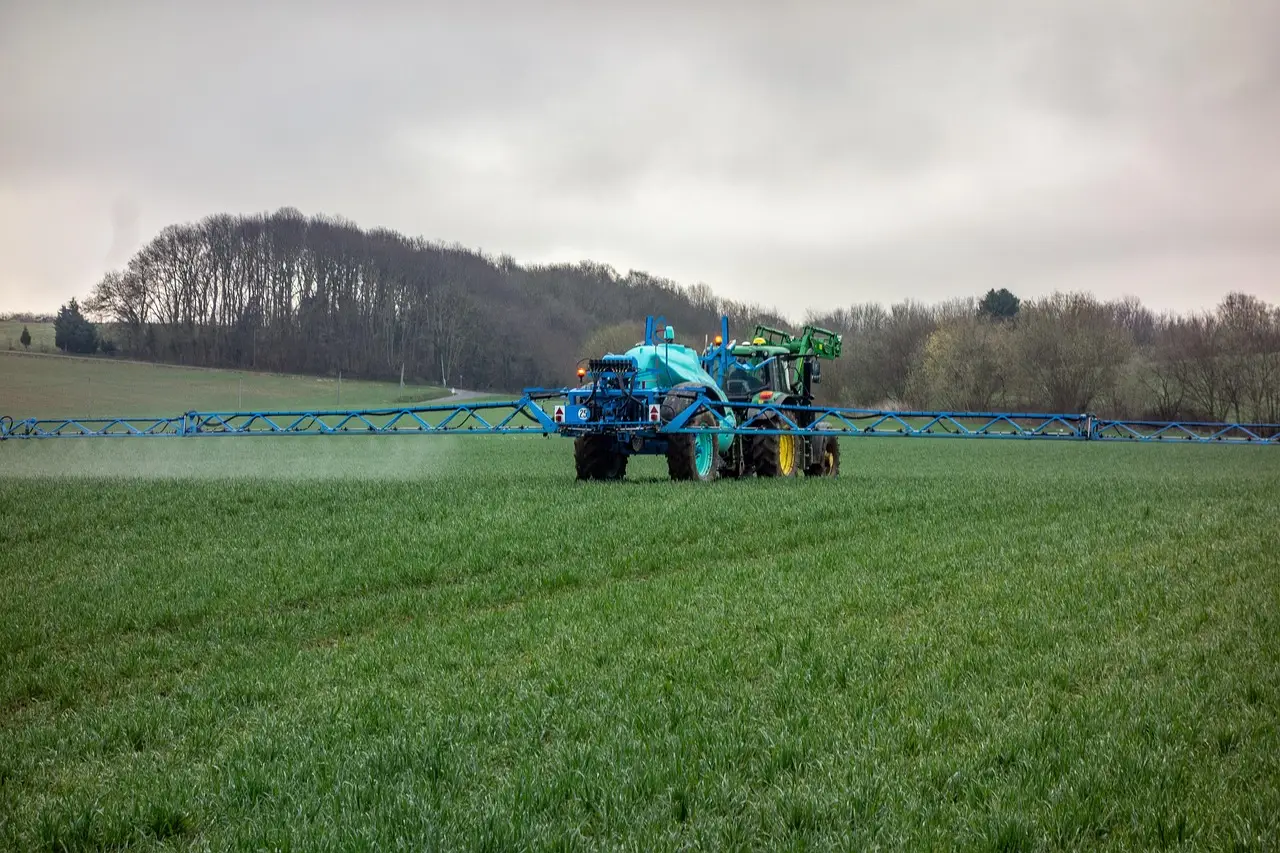
One purchase of AirSmat biochar carbon-removal credits represents removal associated with more than 10,000 bags of BROWN fertilizer for farmers across Nigeria, according to the company. AirSmat Limited, a Nigerian climate-technology and agricultural-manufacturing company, and VP Capital, a European investment company, have entered a commercial agreement to support expanded biochar-fertilizer production and durable carbon removal in Africa.
AirSmat founder and CEO Soji Sanyaolu said: “This is a defining milestone for AirSmat and a powerful validation of our vision to build Africa’s climate infrastructure. What makes this particularly exciting is that a single carbon credit purchase represents the carbon removal associated with over 10,000 bags of BROWN fertiliser for farmers across Nigeria.”
The agreement follows VP Capital’s purchase of credits from AirSmat’s Nigerian project. The release gives no purchase price, credit volume, issuance date, project site, or planned output capacity. It also does not establish whether more than 10,000 bags were produced, sold, or delivered, so the figure cannot support a cost-per-tonne or cost-per-hectare calculation.
What does the commercial agreement cover?
The agreement supports expansion of biochar-based fertilizer production and durable carbon removal in Africa. AirSmat frames the deal as a step toward what it calls Africa’s climate infrastructure, combining sustainable agriculture with carbon removal.
VP Capital’s role is described only as that of a European investment company; the announcement does not specify whether it supplies equity, debt, project finance, or offtake. Each option would carry different approval, risk-allocation, and repayment terms for investors.
How does BROWN connect fertilizer sales with carbon removal?
AirSmat converts agricultural residues into biochar, then combines that material with essential crop nutrients to make BROWN. The finished fertilizer is designed to improve soil health, support agricultural productivity, and store carbon in soil for the long term.
Those statements describe product intent rather than measured field performance. The release cites no trial design, sample size, control, crop yield, application rate, soil measurement, or duration of carbon storage. Long-term storage claims therefore remain unquantified in this announcement.
For laboratory and agronomy teams, the missing record includes:
- feedstock specifications, moisture control, conversion yield, and process loss;
- nutrient assays, batch consistency, and the biochar-to-fertilizer mixing rate;
- replicated field trials with crop-response and soil-carbon measurements;
- carbon-removal baselines, monitoring, verification, and long-term stability tests.
The announcement identifies no independent verifier or measurement protocol behind the credits. Without that evidence, the more-than-10,000-bag equivalence remains a company-reported scale claim, not an independently auditable removal estimate.
AirSmat says its model creates value from both fertilizer sales and carbon-removal credits. Sanyaolu stated: “We’re building a business where agricultural waste becomes a valuable resource, farmers gain access to soil-improving fertiliser, and durable carbon removal creates an additional source of revenue.” No unit margin or revenue-share figure accompanies that claim.
Sanyaolu also stated: “We’re not just removing carbon; we’re creating a new economic opportunity at the intersection of agriculture and climate action.” AirSmat presents credit income as an additional revenue stream that strengthens the commercial case for expanding biochar production.
AirSmat says the model addresses declining soil fertility in Africa and the need for scalable, durable carbon removal. Those are the two commercial problems the company says its dual-revenue model is designed to solve.
Can two revenue streams support expansion?
The release gives no fertilizer price, credit price, operating cost, capacity utilization, or long-term buyer commitment beyond the reported purchase. It therefore does not show whether the two streams cover feedstock processing, quality assurance, distribution, monitoring, and verification costs.
The stated scale still cannot be translated into field application without BROWN’s bag weight and the recommended rate per hectare. Managers can compare the reported count with procurement volumes, but the announcement does not show whether those bags reached farms. Nor does it identify planned output or the sequence for expansion.
For R&D and capital planning, a more useful disclosure would pair fertilizer output with tonnes of residue processed, biochar yield, capital cost per production line, and credit issuance by period. The agreement names no plant, additional country, commissioning date, or output target. Without those values, researchers cannot compare feedstocks or assess how much laboratory and process-development work expansion requires.
What would make the expansion bankable?
The next financing, commissioning, or sales milestone will be decision-useful only if AirSmat and VP Capital disclose capacity, output, capital cost, credit methodology, and independent performance results. Until then, the partnership demonstrates commercial intent, not a quantified case for African-scale expansion.
via businessday.ng (Source)
Filed under
More from Amara Osei
Show full bio
News editor covering money, funding and market shifts around research and development at Hypothesis Wire.
263 articles
References
- Ghana offers Africa an Article 6 model built on 34,705 ITMOs
- India–Ghana Sign Five-Year MoU on Agricultural Research
- Singapore Puts S$143 Million Behind Industrial Decarbonisation R&D
- Uganda's NARO turns to private investors as research funding tightens
- India and Ghana sign crop research and technology agreement