Proceedings · Session S-644 · filed October 10, 2026
Research Funding & PolicySession paper
UVM Pulls In $222.6M in Research Funding for FY2026
UVM reported $222.6M in extramural research funding for FY2026, up over $15M year over year, across 622 awards and nearly 900 projects.
By Priya Raman3 min read645 words
Summary
- UVM attracted $222.6 million in extramural research funding in FY2026, up more than $15 million from the prior year.
- 622 awards started or continued nearly 900 projects, including 24 awards worth $1 million or more.
- UVM researchers identified the first transmissible cancer ever found in a freshwater fish species, in catfish from Lake Memphremagog and other lakes.
- The Leahy Institute for Rural Partnerships awarded $2.5 million to launch or expand 16 university-community partnerships.
- UVM is Vermont's only research university and home to the state's only medical college.
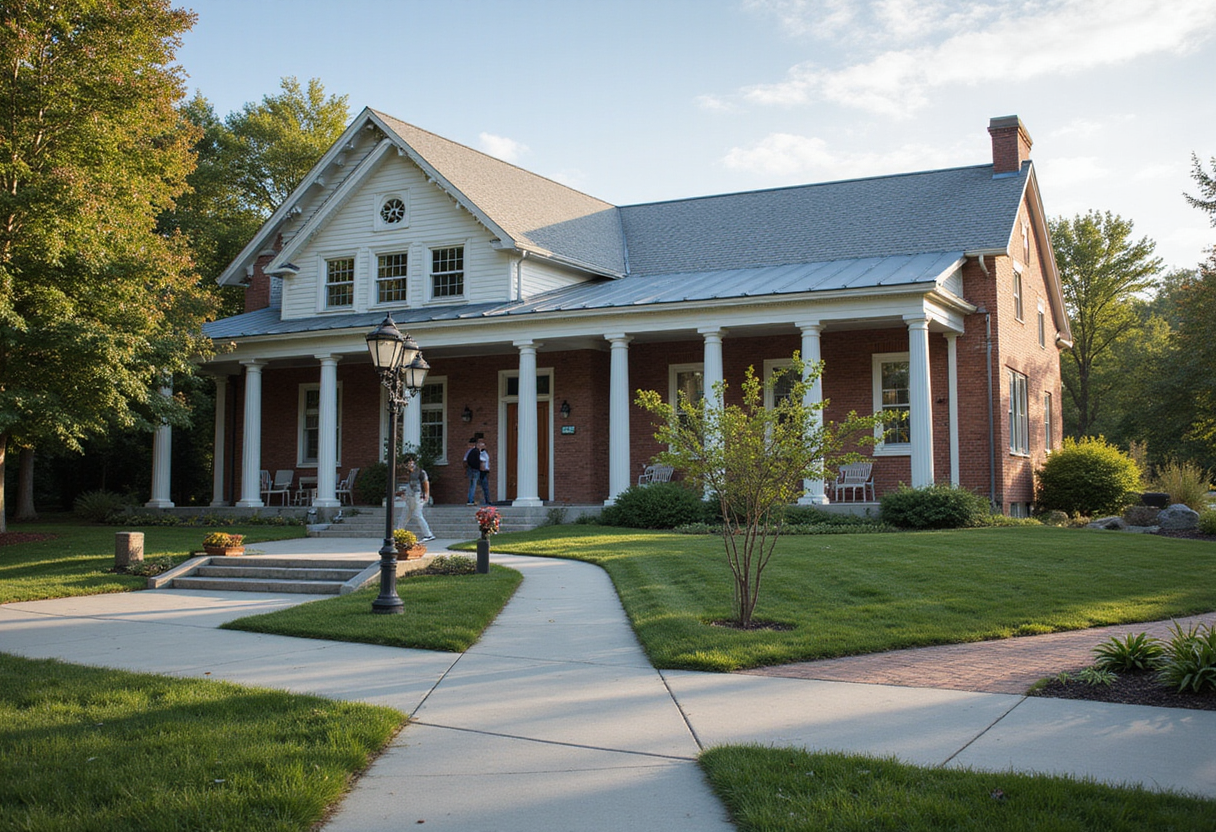
The University of Vermont attracted $222.6 million in extramural research funding in fiscal year 2026, an increase of more than $15 million over the previous year. The total, reported August 24, 2026, marks a continued expansion of the research enterprise at Vermont's only research university and the home of the state's only medical college.
The figure covers 622 awards that started or continued nearly 900 projects across campus. Twenty-four of those awards were worth $1 million or more. Funding came from federal and state agencies, foundations, businesses, and other partners, and spans laboratory science, clinical investigation, community partnerships, agricultural innovation, education, and the humanities.
"The funding total is an important measure of UVM's momentum, but the greater story is what these investments make possible," said Kirk Dombrowski, UVM's vice president for research and economic development. "Each award represents people working together to ask difficult questions, develop new approaches and translate knowledge into benefits for communities locally and globally."
Where did the money go?
UVM did not publish a full breakdown by funder or discipline in the announcement, so portfolio-level comparisons with peer institutions remain difficult. The university says its research spans public health, cancer, infectious disease, neuroscience, environmental sustainability, water resources, food systems, rural development, data science, and complex systems — a spread aligned with its land-grant mission.
Two highlighted projects illustrate the range:
- A Vermont research team discovered that mysterious black skin lesions on catfish in Lake Memphremagog and other New England and Canadian lakes are caused by a transmissible cancer — the first ever identified in a freshwater fish species.
- Researchers performing trail maintenance at UVM's Jericho Research Forest spotted dark leaf striping, the telltale first sign of beech leaf disease, launching work to track the forest pathogen.
Both items come from the university's own communications office, and neither disclosure includes sample sizes or publication status. R&D managers benchmarking against UVM should treat the milestone claims as institutional reporting rather than peer-reviewed results.
What does the funding mean for the state's workforce?
Sponsored projects support faculty, professional staff, technicians, postdoctoral researchers, and students, according to the university. The funding also underpins partnerships with hospitals, schools, farms, businesses, government agencies, and nonprofits across Vermont — a measurable economic role for a state with no other research university.
The Leahy Institute for Rural Partnerships at UVM awarded $2.5 million in this cycle to launch or expand 16 university-community partnerships targeting what the institute describes as some of Vermont's most pressing challenges, including childhood-focused initiatives.
Students participate throughout the portfolio, in laboratories, field sites, clinics, and communities. UVM frames this as workforce development: practical training in critical thinking, collaboration, and problem-solving that prepares students for careers in Vermont and beyond.
How is UVM sustaining the growth?
The university attributes the expansion to investments in three areas: administrative services that help researchers develop competitive proposals, facilities, and cross-disciplinary initiatives that bring investigators together around shared challenges. UVM has also stepped up efforts to build partnerships beyond campus.
That infrastructure spending matters for portfolio decisions. Nearly 900 active projects on 622 awards implies a high share of multi-project grants and renewals — a structure that rewards strong grants administration as much as strong science.
"UVM's research success belongs to the entire community," Dombrowski said. "It is built through curiosity, persistence and collaboration, and it gives us a strong foundation for the discoveries and partnerships still ahead."
The university has not disclosed its FY2027 target or the federal-versus-state share of the FY2026 total. What is clear from the trajectory — more than $15 million in year-over-year growth and 24 awards above the $1 million mark — is that UVM intends to keep converting its position at the intersection of research, health care, and public service into a larger sponsored portfolio.
via uvm.edu (Original)
Filed under
- university-research-funding
- extramural-funding
- r-d-portfolio-management
- research-administration
- workforce-development
More from Priya Raman
References
- OHSU posts 2.2% margin and record $550M in research awards
- WSU Research Spending Hits $461.9M in Fifth Straight Growth Year
- University of Iowa Puts $15M Into Brain Science and Cancer Lab Buildout
- Howard, Georgetown Land Nearly $28M NIH Award for Translational Research
- Capito, Justice Announce $2 Million in Research Funding for WVU