Proceedings · Session S-715 · filed September 28, 2026
Research Funding & PolicySession paper
UK science funding cuts threaten Britain's research standing, warn scientists
Guardian readers and scientists warn that UK science funding cuts threaten Britain's global research standing, with labs facing stalled projects and talent flight abroad.
By Rebecca Stone2 min read348 words
Summary
- The Guardian published reader letters warning that UK science funding cuts will harm Britain's global research standing
- Letter writers include scientists and academics directly affected by funding decisions
- Correspondents argue reduced budgets threaten laboratory work, researcher retention and international collaboration
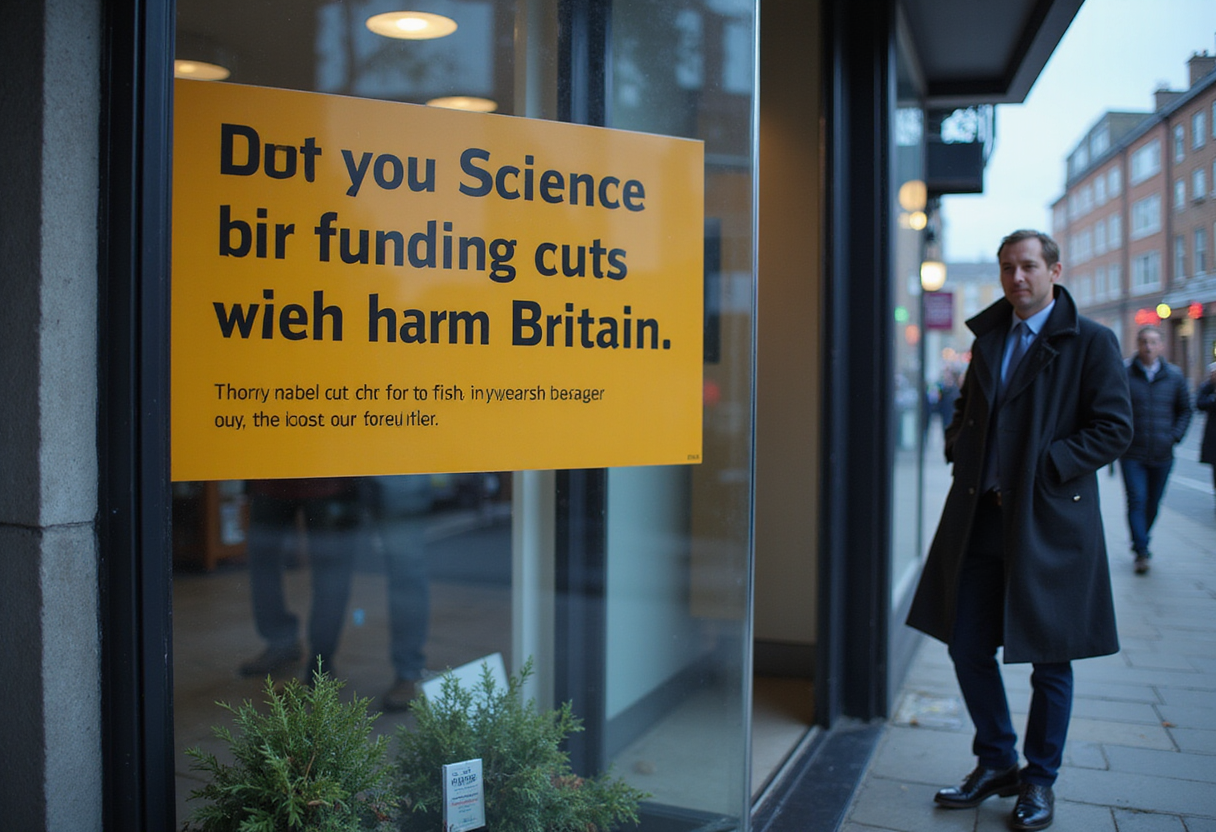
The Guardian has published a collection of reader letters sounding alarm over science funding cuts in Britain, with correspondents warning that reduced budgets will damage the country's global research standing and derail laboratory work already underway.
The letters column, which aggregates responses from scientists, academics and members of the public, frames the funding squeeze as a strategic risk rather than a routine fiscal adjustment. Writers argue that cuts to research budgets threaten not only individual projects but Britain's long-term position as a destination for scientific talent and international collaboration.
For R&D managers and research leaders, the correspondence highlights a familiar set of operational concerns. Reduced core funding forces labs to make hard choices: pausing experiments mid-stream, letting early-career researchers go, or shelving instrument purchases that were budgeted months in advance. Several letter writers connect the funding picture to workforce retention, noting that insecure grant pipelines push talented researchers toward better-funded systems abroad.
The letters arrive amid a broader debate in the UK over how much the government should invest in research and development relative to peer nations. Correspondents point to competing countries that have increased science spending while Britain's commitments have stagnated or declined in real terms. The implicit argument for policymakers: research capacity, once lost, is expensive and slow to rebuild.
The Guardian's letters page serves here as a barometer of sentiment within the scientific community. The writers include researchers directly affected by funding decisions, and their accounts translate abstract budget figures into concrete consequences — abandoned experiments, stalled careers, weakened international partnerships.
For research administrators planning multi-year programmes, the correspondence underscores the uncertainty now baked into UK science planning. If funding cuts persist, institutions may need to restructure portfolios, prioritise short-term deliverables over exploratory work, and hedge against further reductions.
The debate is unlikely to settle soon. As one strand of the letters suggests, the tension between fiscal constraint and scientific ambition will continue to shape Britain's research landscape — and the country's ability to compete for talent, grants and partnerships in the years ahead.
via Google News: Research & science policy (Source)
Filed under
- uk-science-funding
- research-budgets
- science-policy
- r-d-investment
- research-workforce
More from Rebecca Stone
Show full bio
Market editor covering marketplaces and e-commerce at Hypothesis Wire.
80 articles
References
- Initiative Launches to Build Evidence Base for UK Research Policy
- Report: Folding UK Science Brief Into Business Department 'Makes Sense'
- U.S. Science Funding Cuts Raise Risk of Researcher Exodus
- Science|Business Insider: Competitiveness Push Rests on Tech Transfer
- White House 'Golden Age' Report Would Shift R&D From Universities