Proceedings · Session S-291 · filed November 9, 2026
Research Funding & PolicySession paper
UCC Crop Scientist Says Africa's Food Security Lies Underground
Only 17% of 893 reviewed studies cover root systems of root and tuber crops, UCC's Prof Michael Osei Adu says, urging investment in neglected staples like cocoyam and taro.
By Priya Raman3 min read589 words
Summary
- Only 17 per cent of 893 reviewed research works focused on root systems of roots and tubers, per Prof Adu's study.
- About 60 per cent of global food energy comes from just rice, maize and wheat.
- The US and Asia conduct more cassava research than Ghana and Nigeria, the study found.
- Prof Adu delivered the findings in his UCC inaugural lecture on neglected crops and food security.
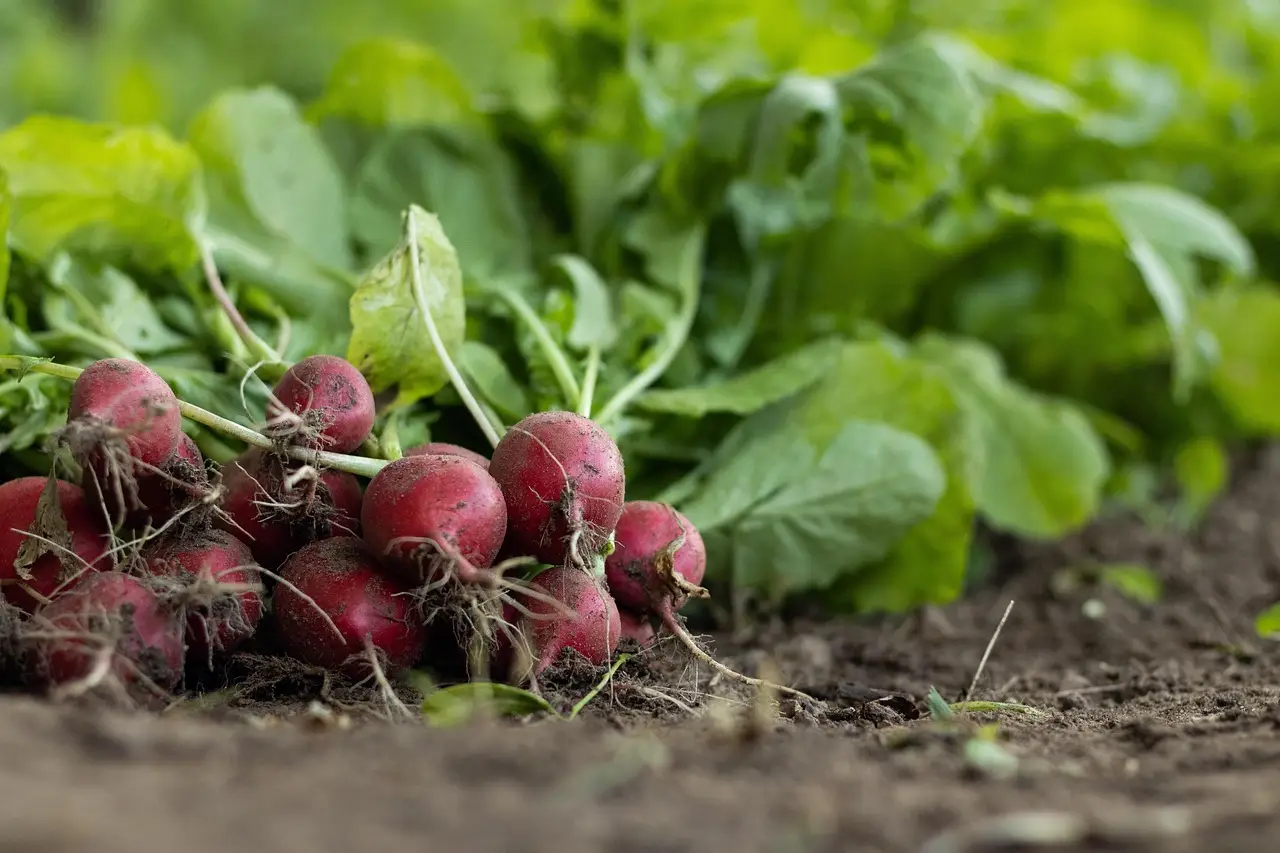
Only 17 per cent of 893 research works reviewed by a University of Cape Coast team focused on the root systems of root and tuber crops — a gap Professor Michael Osei Adu calls central to why Africa's food security remains fragile. He presented the figure during his inaugural lecture at UCC, titled "The underground gospel: roots, the neglected, and the tuberous route to Africa's food security."
Professor Adu, Professor of Crop Ecophysiology and Improvement and Deputy Director of UCC's Directorate of Research, Innovation and Consultancy, used the lecture to press for more research funding and investment in neglected and underutilised food crops across Ghana and the wider continent.
Why three crops dominate the plate
About 60 per cent of the world's food energy comes from just three crops: rice, maize and wheat. Professor Adu warned that overreliance on this narrow base does not augur well for global food security, and argued that diversification into neglected staples is a strategic necessity rather than a preference.
His shortlist of untapped crops includes cocoyam, taro, water yam and garden eggs. Their potential remains largely unrealised, he said, because of three persistent constraints:
- Inadequate research
- Limited crop improvement
- Weak seed systems
These crops, he noted, deliver high nutritional value, tolerate difficult environmental conditions, preserve cultural heritage and support rural livelihoods. For Professor Adu, food security means more than raising yields; it requires access to nutritious food. "They don't lack value, instead, their value has been neglected," he said.
What do roots have to do with it?
The lecture's title points to its technical core. Root systems determine how crops access water and nutrients from the soil. Understanding root architecture, Professor Adu argued, could help scientists develop varieties better adapted to erratic rainfall, drought, poor soil fertility and pest attacks — pressures that Ghana and many parts of Africa already face.
The 17 per cent figure from his team's literature review quantifies how little of this work has actually been done. The same study found a further asymmetry: the United States and countries in Asia conduct more research on cassava than Ghana and Nigeria do, despite the crop's importance to West African food systems. The finding suggests African institutions are underinvesting in a crop central to their own food supply.
What is he asking institutions to fund?
Professor Adu set out a concrete investment agenda for universities and governments:
- Well-equipped laboratories and improved research infrastructure
- Human resource development
- Partnerships that strengthen Africa's capacity to study plant root systems
- Dedicated crop-breeding programmes for root and tuber varieties with higher yields and resistance to pests, diseases and shifting climatic conditions
His own team has already contributed data and studies aimed at predicting and improving yields in maize, cowpea, yam, cassava, sorghum, millet and okra. He said more work is required to make crop roots more resilient and productive under the growing environmental stresses across the region.
The portfolio question for R&D managers
For research administrators weighing portfolio decisions, the lecture frames a resource-allocation problem: a crop that supplies significant food energy in West Africa attracts less research attention, at least in Ghana and Nigeria, than it does in the United States and Asia. The gap sits in root and tuber science specifically, where fewer than one in five of the reviewed studies operated.
Professor Adu closed on the strategic stakes: deliberate diversification of food production and sustained investment in neglected crops are essential to building resilient food systems and safeguarding Africa's food security.
via ghanabusinessnews.com (Source)
Filed under
- food-security
- root-and-tuber-crops
- neglected-crops
- crop-breeding
More from Priya Raman
Show full bio
Staff writer covering money, funding and market shifts around research and development at Hypothesis Wire.
264 articles
References
- India and Ghana sign crop research and technology agreement
- India and Ghana Sign Five-Year Agricultural Research MoU
- India–Ghana Sign Five-Year MoU on Agricultural Research
- Uganda's NARO turns to private investors as research funding tightens
- India's drylands flagged as R&D opportunity by agriculture minister