Proceedings · Session S-441 · filed October 10, 2026
Research Funding & PolicySession paper
Trump Administration Challenges Judge's Power to Restore Harvard Funding
The Trump administration told the First Circuit a federal judge cannot order Harvard's frozen research funding restored, leaving lab budgets in legal limbo.
By Priya Raman3 min read631 words
Summary
- The Trump administration argued at the First Circuit that a district judge lacks authority to order restoration of Harvard's research funding.
- The dispute stems from a judge's order restoring federal research dollars the administration had frozen.
- A ruling in the government's favor would leave the frozen Harvard funding in place while litigation continues.
- No timeline for the First Circuit's decision was announced at the hearing.
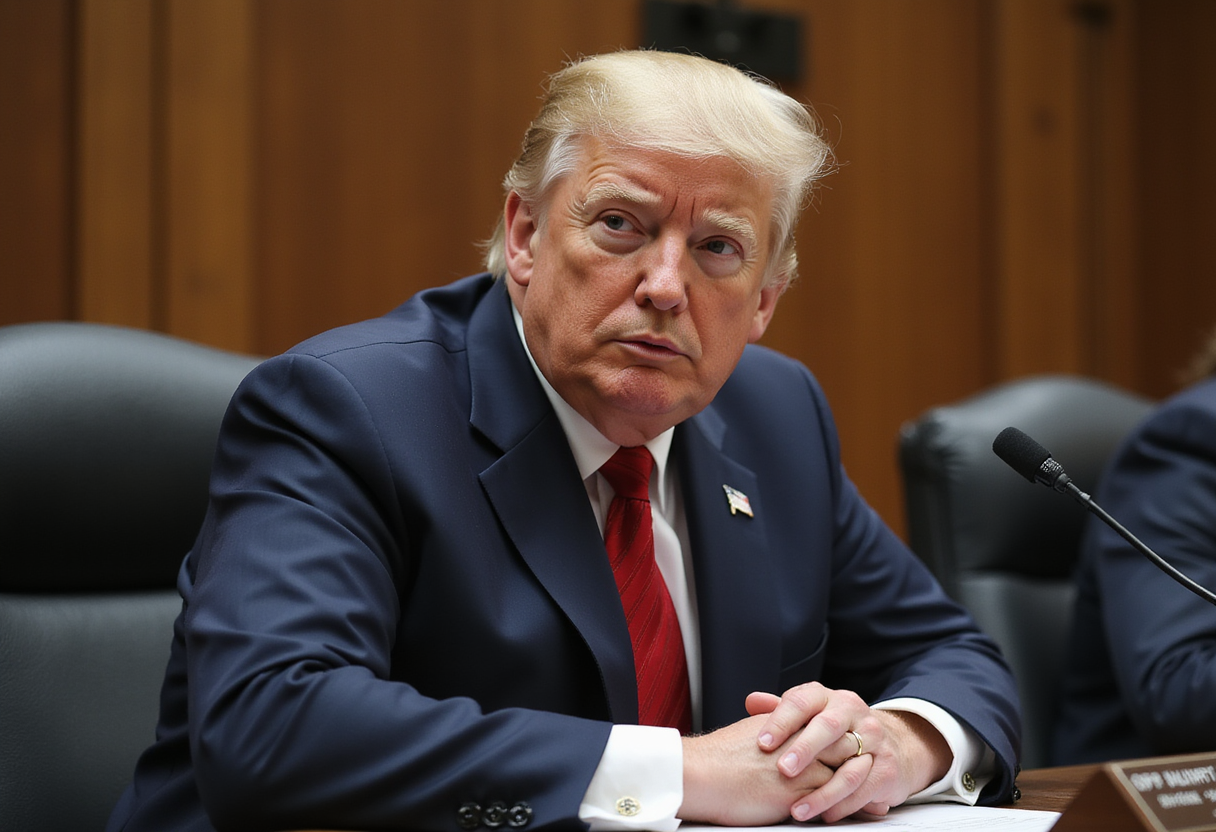
The Trump administration has asked the First Circuit Court of Appeals to rule that a federal judge lacks the authority to order the restoration of research funding to Harvard University, escalating a legal fight that directly affects thousands of federally supported research projects.
At issue is whether a single district court judge can compel the executive branch to release federal research dollars that the administration froze. The government's position, argued at the First Circuit, is that the judge overstepped — that the funding decisions rest with the executive, not the judiciary.
For R&D managers at Harvard and its affiliated hospitals, the stakes are operational, not abstract. Federal grants are the dominant funding stream for university-based research in the United States. A prolonged freeze, or even continued legal uncertainty around a lower-court restoration order, forces labs to make staffing and equipment decisions now: whether to renew postdoc contracts, whether to purchase reagents and instrument time, whether to pause animal colonies or long-running cohort studies that cannot simply restart.
What does the administration actually argue?
The dispute centers on judicial authority. The administration contends the judge who ordered the funding restored had no power to do so — effectively asking the appeals court to vacate or limit that order on separation-of-powers grounds.
If the First Circuit sides with the administration, the immediate consequence is that frozen funds stay frozen while litigation over the underlying terminations continues. If the court upholds the judge's authority, the restoration order stands, at least pending further appeal.
Either way, the appellate ruling will set a precedent that other universities, national labs and research contractors will watch closely. Several institutions have faced similar funding actions from the administration, and a ruling on judicial power to review — and reverse — those decisions will shape whether courts remain a reliable backstop for grantees.
What does this mean for research portfolios?
The core question for research administrators is cash-flow risk. When a funding agency terminates or suspends an award, universities must decide whether to bridge the work internally, wind it down, or bet on litigation succeeding. Court-ordered restoration reduces that risk — but only if the order survives appeal, which is precisely what this hearing puts in doubt.
Universities typically carry bridge-funding reserves, but these were sized for routine gaps, not for coordinated multi-agency freezes. A ruling that district judges cannot restore terminated awards would shift the burden squarely onto institutions and their donors.
For vendors and instrument suppliers to academia, the case is also a demand signal: legal clarity one way or the other will determine whether delayed procurements resume or convert into cancellations over the coming quarters.
Who decides research funding — courts or the executive?
The administration's argument treats grant terminations as discretionary executive action beyond a judge's reach. Harvard's position, and that of the district judge whose order is now on appeal, treats the frozen awards as binding legal commitments that courts can enforce.
The First Circuit's answer will define the enforceability of federal research awards more broadly. Grantees negotiating new awards — and their counsel — will read the decision as a statement of how much contractual weight a federal grant carries when the political winds shift.
No timeline for a ruling was announced at the hearing. Appeals courts in expedited funding disputes have sometimes ruled within weeks, but institutions should plan for a decision to take longer, with the losing side likely to seek review at the Supreme Court given the constitutional questions in play.
Whatever the First Circuit decides, the next stop for this fight may well be the Supreme Court — and until then, the only certainty for Harvard's labs is that the fate of their federal funding rests with judges rather than grant officers.
via Google News: Research funding & science budgets (Source)
Filed under
- harvard
- federal-research-funding
- trump-administration
- judicial-authority
- research-grants
More from Priya Raman
References
- US Appeals Court Weighs Trump's Block on Harvard Research Funding
- US appeals court weighs Trump's block on Harvard research funding
- Appeals court weighs Trump block on Harvard research funding
- Courts Block Funding Freeze as NIH and NSF Lose 7,000 Grants
- Trump administration to shift R&D funds to individual scientists