Proceedings · Session S-529 · filed September 29, 2026
Research Funding & PolicySession paper
Tinubu Asks Nigerian Senate to Approve National R&D Fund
President Tinubu has formally asked Nigeria's Senate to approve a National Research and Development Fund, but no corpus size, levy mechanism or governance details have been disclosed yet.
By Rebecca Stone3 min read606 words
Summary
- President Bola Tinubu formally requested Senate approval for a National Research and Development Fund.
- No proposed fund size, revenue mechanism or sectoral allocation has been disclosed in the reported request.
- The bill must still pass committee review and votes in both chambers of Nigeria's National Assembly before enactment.
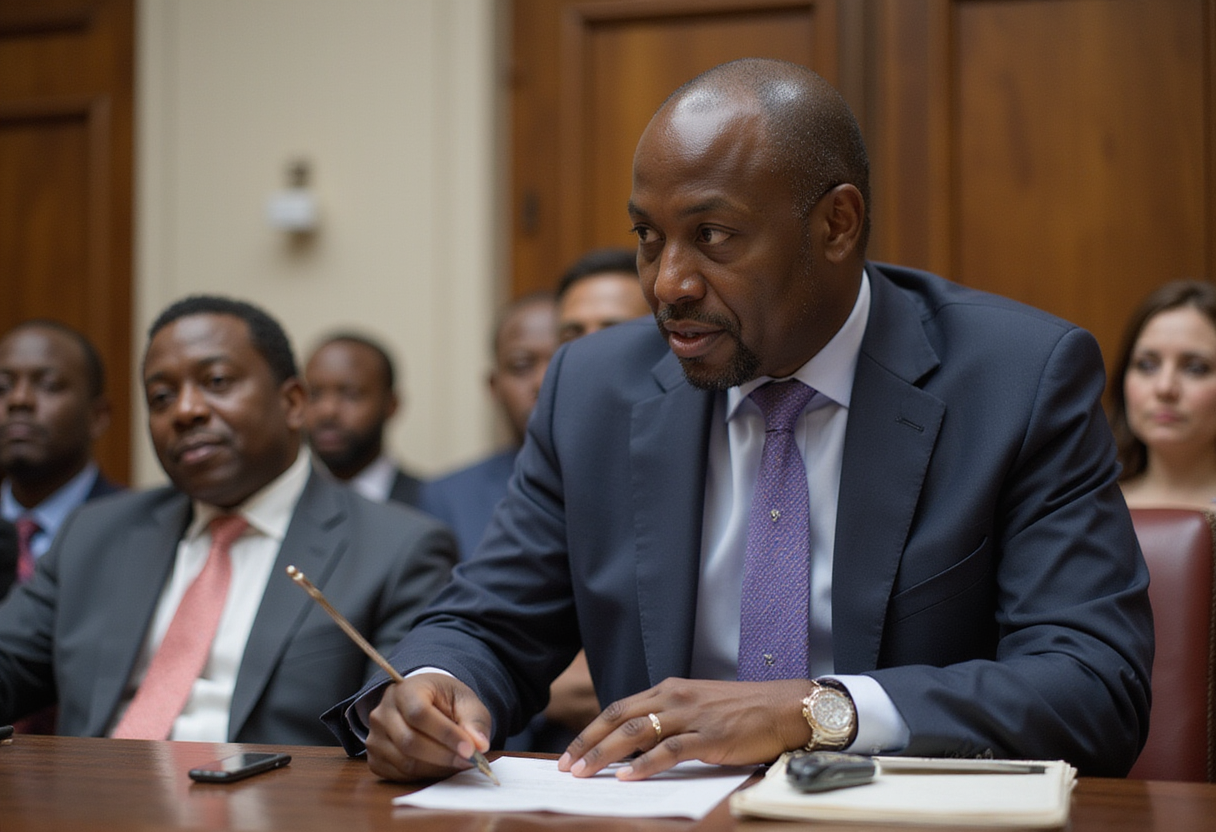
Nigerian President Bola Tinubu has formally asked the Senate to approve the establishment of a National Research and Development Fund, moving dedicated research financing one step closer to statutory backing in Africa's most populous country.
The request, transmitted to the upper chamber of the National Assembly, was reported by LEADERSHIP Newspapers. The President's letter puts the legislature on notice that the executive wants a standing funding vehicle for research and development rather than reliance on annual budget lines.
What the source does not specify matters as much as what it does. The report contains no proposed corpus size for the fund, no levy or appropriation mechanism, and no breakdown of how money would be split across sectors such as health, agriculture, energy or advanced manufacturing. Those omissions define the questions Nigerian R&D managers and research administrators should now put to their legislators before the bill reaches committee stage.
The procedural step is nonetheless concrete. A presidential request for Senate approval is the standard route by which a fund-creation bill enters the National Assembly's agenda with executive backing. From here, the proposal would typically go to the relevant Senate committees for review, followed by public hearings, potential amendments, and votes in both chambers before presidential assent.
For Nigerian universities, research institutes and public laboratories, the distinction between an announced fund and an enacted one carries direct budget consequences. Statutory funds with dedicated revenue streams — where they exist in comparable economies — tend to disburse more predictably than line-item allocations, which fluctuate with each fiscal cycle. Whether this fund follows that model, or simply consolidates existing appropriations, remains undisclosed.
The claim of a dedicated national research fund is also a claim researchers should interrogate once the bill text is available. Key data points to watch include the governance structure: who chairs the board, whether academic or industry representatives hold decision-making seats, and what share of disbursements is tied to peer review rather than ministerial discretion. Reporting requirements matter equally — annual publication of grant volumes, funded fields and completion rates would let the research community assess whether the money moves.
The Senate's calendar will shape the timeline. Nigerian legislative business can move quickly when executive requests carry urgency designation, or stall in committee for months when they do not. The President's transmittal letter, as reported, does not indicate an urgency classification, so researchers planning multi-year projects should treat the fund as prospective rather than operational.
Regional context sharpens the stakes. Nigeria's research expenditure as a share of GDP has long trailed the African Union's target of 1 percent, and Nigerian scientists routinely cite equipment costs, foreign-exchange pressure on reagent imports and irregular grant disbursement as constraints on lab throughput. A functioning statutory fund would address the third of those directly. The first two would require separate instruments.
For vendors and multinationals with R&D operations in West Africa, the bill's progress signals whether Nigeria intends to build domestic research capacity with predictable public money. Portfolio decisions on local partnerships, clinical trial siting and technology-transfer agreements often track exactly this kind of legislative signal.
The immediate next milestone is the Senate's referral of the request to committee and the release of the bill's full text. Only then will the fund's proposed size, funding source and governance terms — the numbers that determine whether this is a meaningful instrument or a symbolic one — be available for scrutiny.
LEADERSHIP's report gives no date for the Senate's first reading. Researchers and administrators tracking the file should watch the National Assembly's order paper for scheduling.
via Google News: R&D funding (Source)
Filed under
- nigeria
- research-funding
- r-d-policy
- national-assembly
More from Rebecca Stone
Show full bio
Market editor covering marketplaces and e-commerce at Hypothesis Wire.
80 articles