Proceedings · Session S-612 · filed October 10, 2026
Corporate & Industrial R&DSession paper
SRP earmarks research funding for wildfire, water, grid work
Salt River Project has directed internal research funding toward wildfire, water, and grid reliability, but the dollar figure, RFP timeline, and awardees remain undisclosed. R&D managers should wait for program mechanics before committing proposal-writing resources.
By Sophie Lindqvist3 min read566 words
Summary
- SRP announced research funding targeting three areas: wildfire mitigation, water reliability, and grid reliability
- The original feed item provided no dollar figure, application deadline, or list of awardees
- The three pillars were listed in this order: wildfire, water, grid reliability
- No program manager, RFP, or partner institution was identified in the source headline
- R&D managers need at least one of the missing variables — budget, deadline, or partner list — to plan staffing
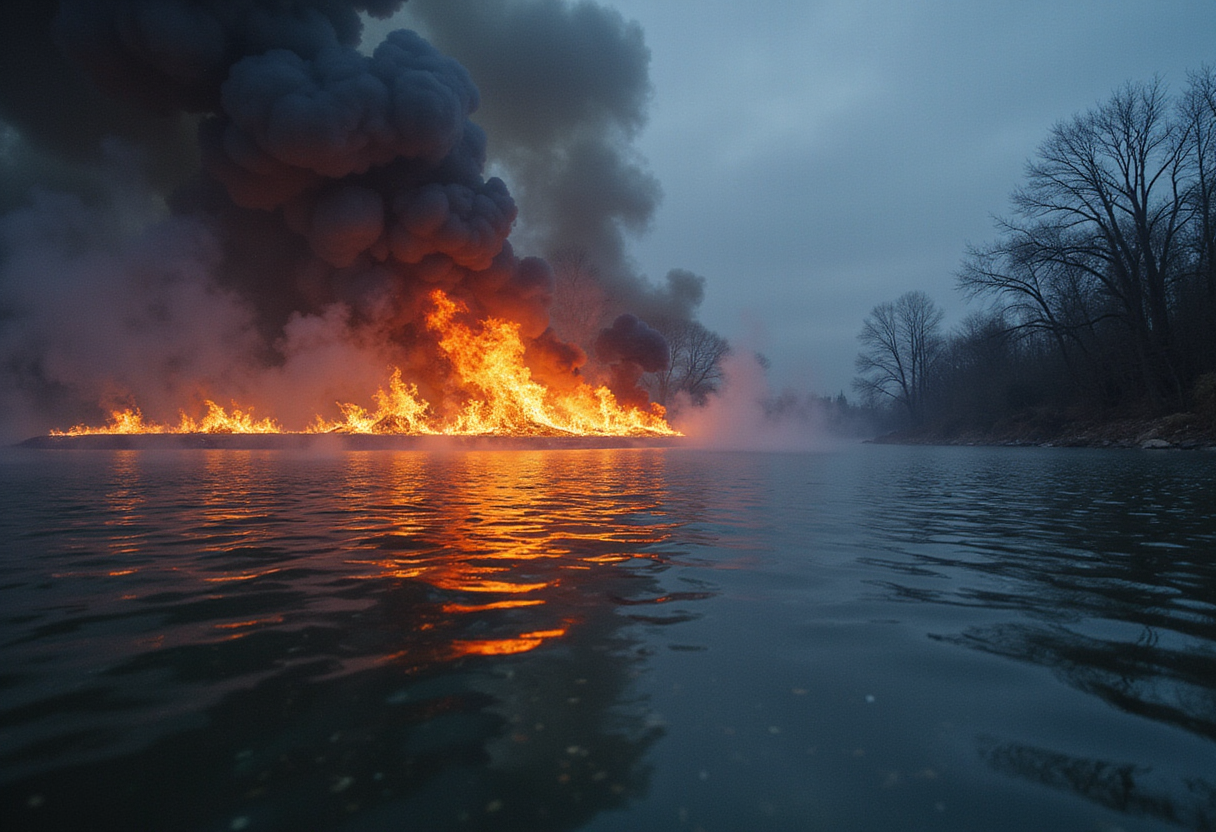
Salt River Project has committed new internal research funding toward wildfire mitigation, water reliability, and grid reliability, according to a White Mountain Independent headline dated to the current reporting cycle. The headline — "SRP research funding targets wildfire, water and grid reliability" — is the only confirmed element of the announcement; the underlying article body, dollar figure, awardees, and application deadline were not present in the feed item. For R&D managers tracking utility-driven grant pipelines, that gap matters more than the news itself, because the programmatic mechanics determine whether any given lab or vendor can actually capture the work.
What does SRP mean by a three-pillar scope?
R&D managers reading the announcement should treat the three listed pillars as a signal of where the cooperative wants a return on capital, not as a list of subtopics that will map one-to-one onto RFP line items. In utility research programs of this kind, the published scope normally translates into funding for applied work — instruments, software, and field pilots — that can move from lab bench to operational deployment on a calendar the utility's planning team can defend at a public utility commission hearing. That framing is a general one drawn from how utilities of SRP's size have structured similar portfolios in recent years; the source does not itself confirm a specific deployment timeline for this round of awards.
Why the priority order matters
When a southwestern utility lists wildfire, water, and grid reliability together, the operational story is usually one of correlated climate risk rather than three independent programs. Proposals that touch two pillars at once — for instance, vegetation-management sensing that reduces both ignition probability and water-treatment fouling — historically compete better against single-pillar submissions, because the utility can demonstrate a single investment solving two rate-base exposures. The source does not confirm any weighting between the three SRP pillars, so applicants should expect a flat reading until program documentation lands.
For the grid pillar specifically, the open question is whether the funded work will land on the supply side — distributed energy resource orchestration, inverter controls, battery siting — or the demand side — dynamic rates, behind-the-meter flexibility, building electrification. Until SRP publishes a formal description, that split cannot be inferred from the headline alone.
What R&D managers should track next
Watch for three signals before committing proposal-writing labor:
- A formal RFP or call for proposals with named program managers for each of the three pillars
- Identification of partner universities or national laboratories, which would reveal the intended academic pathway for the work
- A budget figure or ceiling, even an order-of-magnitude one, which determines whether the work fits a subaward model or requires a prime contractor structure
What remains unspecified
The source as delivered does not state a total program budget, a per-project ceiling, an application deadline, allowed cost categories, or a named principal investigator or program lead. R&D managers cannot construct a defensible staffing plan around SRP's three pillars until at least one of those variables is published; any planning done before then would rely on assumptions the source does not support. The next probable release point for program-level detail is SRP's customer and stakeholder communications channels in the coming reporting cycle, where utility research announcements of this type have typically surfaced before any follow-on RFP appears on procurement portals.
via Google News: Research funding & science budgets (Source)
Filed under
- utility-research
- wildfire-mitigation
- grid-reliability
- rd-funding
More from Sophie Lindqvist
Show full bio
Correspondent covering business strategy at Hypothesis Wire.
149 articles
References
- Concern Spreads Over Research Infrastructure Funding Reforms
- Hong Kong AI Plan Groups Research, Infrastructure, Collaboration
- States Weigh Own Science Funding as Federal Research Outlook Dims
- Florida State University awards seed grants to translational research projects
- Oman allocates RO 2.2mn across 467 research proposals for 2026