Proceedings
Translational ScienceSession paper
Sanofi Pays $41 Billion in Cash for Insmed as FDA Clears Three Drugs
Sanofi will pay $41.0 billion in cash for Insmed at $175 per share, a 46% premium, as Kymera posts 62% EASI-75 in Phase 2b and three FDA approvals land in two days.
By Rebecca Stone3 min read613 words
Summary
- Sanofi agreed on November 24 to acquire Insmed for $175 per share, $41.0 billion in cash, a ~46% premium; close expected in H1 2027.
- Kymera's KT-621 achieved EASI-75 in 62% of mid-dose patients vs. 22% placebo (p<0.0001) in the 244-patient BROADEN2 Phase 2b trial, announced November 23.
- FDA approved EKITNA plus sunitinib for advanced GIST: Phase 3 median PFS 16.5 months vs. 9.2 months for sunitinib alone.
- BridgeBio's Welgemda received traditional FDA approval for LGMD2I/R9 on November 23 plus a Rare Pediatric Disease Priority Review Voucher.
- FDA 2026 novel drug approvals stand at 56 as of November 23; Vertex faces a November 30 PDUFA date for povetacicept.
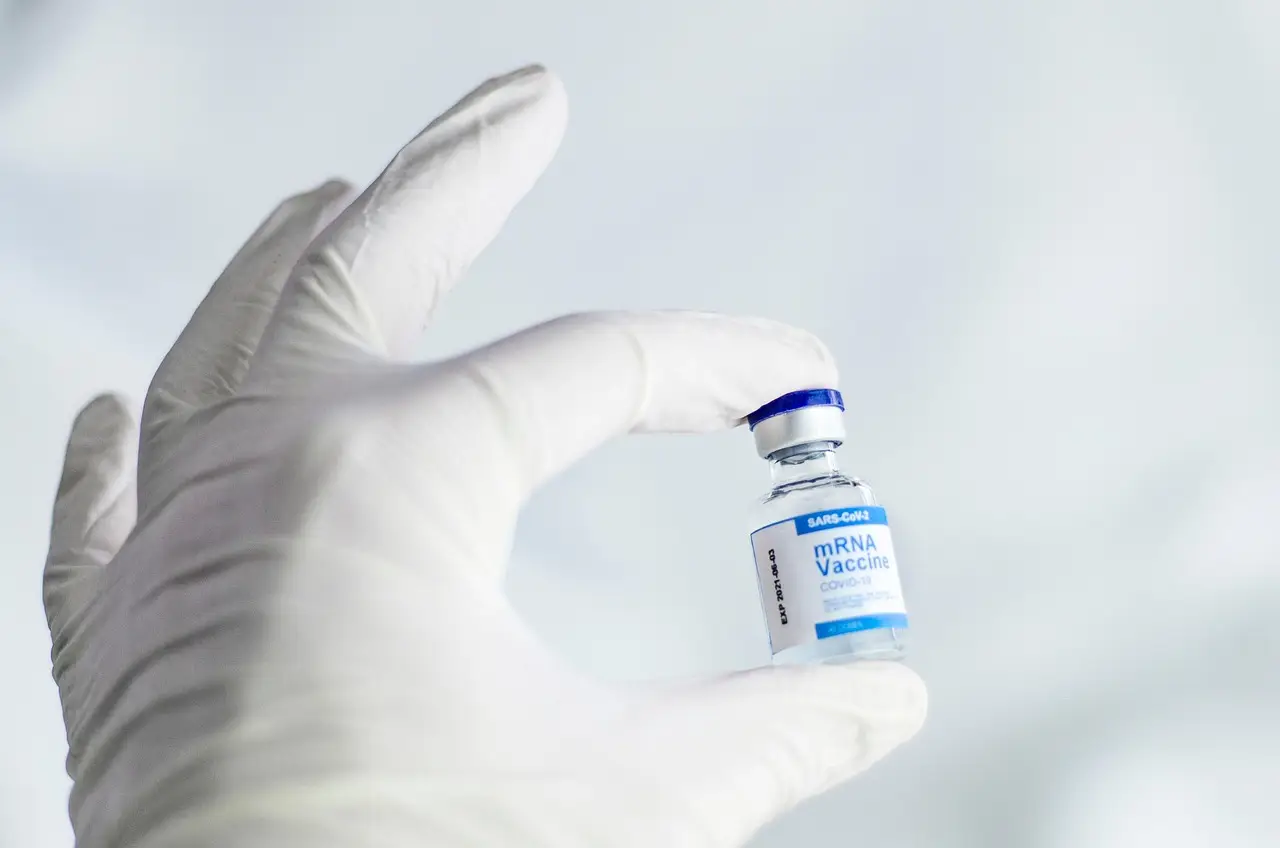
Sanofi agreed on November 24 to acquire Insmed for $175 per share — $41.0 billion in total cash, a premium of roughly 46% to Insmed's unaffected closing price on November 18, 2026. The deal, already approved by both boards, is expected to close in the first half of 2027, pending Insmed shareholder and regulatory approvals. "I am delighted to welcome Insmed to Sanofi," said Belen Garijo, Chief Executive Officer of Sanofi.
The transaction anchors a two-day stretch in which three U.S. drug approvals and fresh Phase 2b data reached the market, against a backdrop of 56 novel drug approvals listed on the FDA's 2026 Novel Drug Approvals page as of November 23.
What did Kymera's Phase 2b trial measure?
Kymera Therapeutics reported positive results on November 23 from BROADEN2, a Phase 2b trial of KT-621 in 244 patients with moderate to severe atopic dermatitis. KT-621 is an investigational, once daily, oral degrader of STAT6 (a protein that transmits signals driving type 2 inflammation).
The mid dose arm achieved EASI-75 — a 75% reduction in the Eczema Area and Severity Index — in 62% of patients, versus 22% in the placebo arm (p<0.0001). The company said the drug was well-tolerated over 16 weeks with a favorable safety profile. Investors received the data alongside a second number: Kymera priced an upsized $1.75 billion public offering the same day.
"Today's results mark a pivotal moment in the field of immunology, demonstrating what truly groundbreaking science can achieve in areas of significant patient need," said Nello Mainolfi, PhD, Founder, President and CEO of Kymera Therapeutics. Note the comparison point: 62% versus 22% is a placebo-controlled delta, but the data come from a mid-stage trial and the company's own readout, not a regulator-reviewed label.
What did the three approvals cover?
- Cogent Biosciences. On November 24, Cogent announced FDA approval and launch of EKITNA (bezuclastinib) plus sunitinib for adults with advanced gastrointestinal stromal tumors (GIST) previously treated with imatinib. In the Phase 3 PEAK trial, median progression-free survival was 16.5 months for the combination versus 9.2 months for sunitinib alone. "On behalf of all Cogent employees, we are extremely proud to launch EKITNA, which brings new hope to GIST patients searching for better treatment options," said Andrew Robbins, President and CEO.
- BridgeBio Pharma. On November 23, the FDA granted traditional, full approval to Welgemda (BBP-418, ribitol) for adult and pediatric patients with limb-girdle muscular dystrophy type 2I/R9 weighing at least 30 kg, based on the Phase 3 FORTIFY trial. The agency also issued a Rare Pediatric Disease Priority Review Voucher, and BridgeBio anticipates an immediate U.S. launch. "This is a transformative moment for the LGMD2I/R9 community, with the first and only treatment now approved for this chronic, progressive disease," said Christine Siu, CEO of BridgeBio Neuromuscular.
- AbbVie. On November 23, AbbVie announced approval of RINVOQ (upadacitinib) as the first systemic therapy in the U.S. for adults and pediatric patients 12 years and older with nonsegmental vitiligo. The company reported statistically significant improvements on both co-primary endpoints. "The approval of RINVOQ represents an important milestone for people living with nonsegmental vitiligo, providing the first FDA-approved systemic treatment option for this immune-mediated disease," said Roopal Thakkar, MD, EVP of Research and Development and Chief Scientific Officer.
What comes next?
The calendar does not slow after the holiday. Vertex Pharmaceuticals has said the FDA assigned a Prescription Drug User Fee Act target action date of November 30, 2026 for povetacicept in IgA nephropathy, while BridgeBio and Cogent move their newly approved medicines into launch mode.
via prnewswire.com (Source)
Filed under
More from Rebecca Stone
Show full bio
Market editor covering regulation, policy and their impact on research and development at Hypothesis Wire.
288 articles
References
- Insmed Shares Surge 21.5% on Report Sanofi Weighs Takeover
- FDA Pushes Agios' Mitapivat SCD Decision to February 2027
- AI accountability, FDA shifts and a $1.15 billion deal
- Shionogi's $2 Billion IntraBio Buyout Heads $2.3 Billion October M&A
- FDA Clears First Factor XIa Inhibitor, Setting Benchmark for a Crowded Class