Proceedings · Session S-384 · filed October 10, 2026
Research Funding & PolicySession paper
R2.5bn in US research cuts expose South Africa's funding gap
South Africa faces a R2.5bn loss in US research funding; Minister Blade Nzimande says the cuts expose the country's dependence on external funders and its structural budget vulnerability.
By Rebecca Stone3 min read533 words
Summary
- US research funding cuts put R2.5 billion at risk for South African research.
- Minister Blade Nzimande says the cuts expose South Africa's funding vulnerability.
- The warning comes from the minister holding both higher education and science and innovation portfolios.
- No replacement package or timeline for a funding decision has been announced.
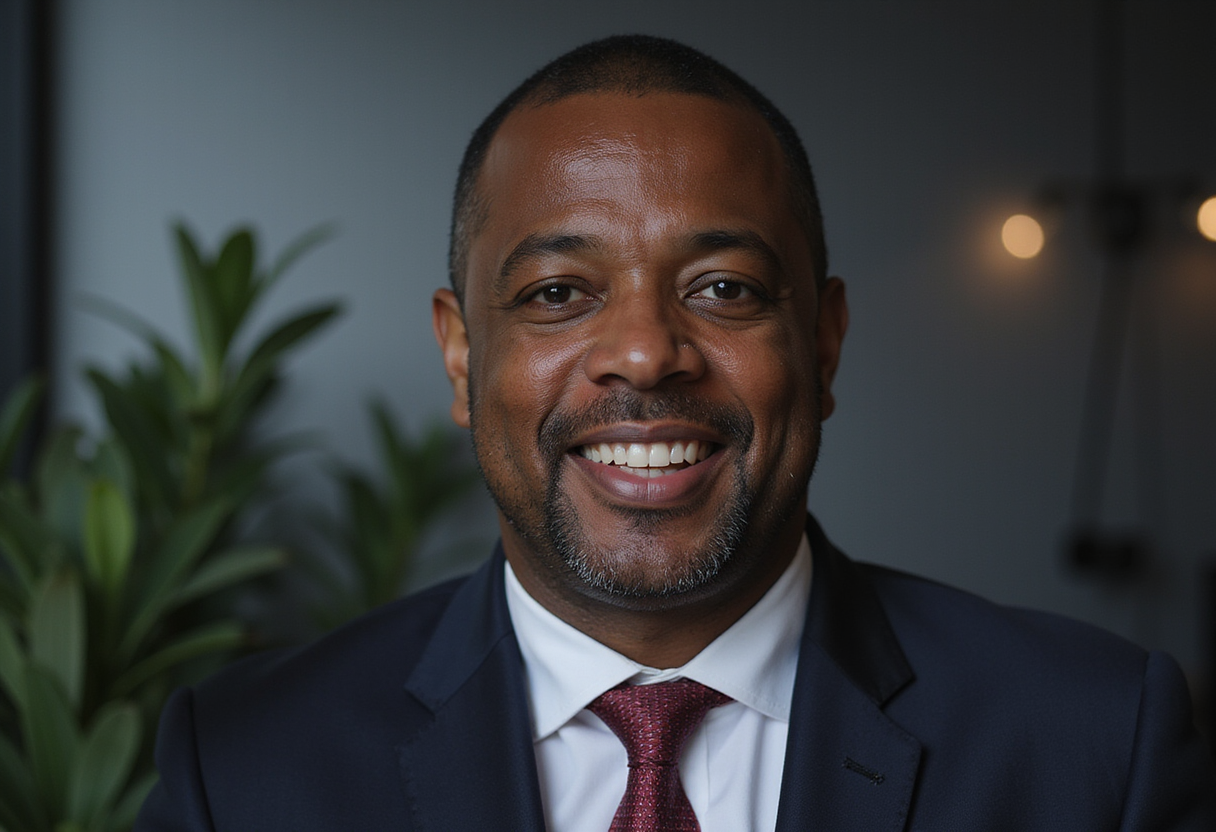
South Africa stands to lose R2.5 billion in US-funded research support, and Higher Education, Science and Innovation Minister Blade Nzimande says the cuts lay bare a structural vulnerability in how the country finances its science base.
The figure, reported by the Cape Times, represents the withdrawal of US funding from South African research programmes — a hit large enough that the minister himself is framing it not as a one-off budget shock but as evidence of overdependence on external funders.
For R&D managers at South African universities and science councils, the exposure is direct. US research money typically arrives as project grants tied to specific programmes, staff posts and instruments. A R2.5 billion withdrawal means PIs must now decide which studies pause, which contracts lapse and which research staff positions become unfundable — before any replacement money is identified.
What does the warning actually signal?
Nzimande's framing matters because it comes from the minister responsible for both the higher education and the science and innovation portfolios. A funding vulnerability declared at that level usually precedes one of two responses:
- A push to backfill cancelled US awards from the national fiscus, competing with existing commitments at the National Research Foundation and related agencies; or
- An explicit reprioritisation, in which some research lines are allowed to contract while government concentrates resources on strategic areas.
Neither the Cape Times report nor the minister's remarks specify which path cabinet will take, and the R2.5 billion figure itself has not been broken down publicly by programme, institution or time horizon.
Why the number needs interrogation
A single aggregate figure answers few of the questions that matter for portfolio planning. What is not yet public:
- Which universities and institutes absorb the largest shares of the R2.5 billion;
- How much covers direct research costs versus overheads and training bursaries;
- Over what period the money would have flowed — a multi-year commitment spread thin looks different from an annual grant base.
Researchers assessing their own exposure should treat the headline number as a ceiling, not a confirmed per-institution loss, until departments publish programme-level detail.
The structural issue behind the cuts
The minister's warning points at a longer-running problem: South African research output has for years leaned on international co-funding, with US government and foundation money a meaningful component of that mix. When a major external funder exits, domestic institutions discover how little slack exists in their own baseline budgets.
That dynamic forces hard sequencing decisions. Do vice-chancellors protect established research groups with bridging funds and risk new appointments elsewhere? Do science councils consolidate instruments and shared facilities to hold capacity with less cash? Each option trades short-term continuity against long-term portfolio breadth.
Government has not yet announced a replacement package, and no timeline has been given for a funding decision.
What comes next
Nzimande's public warning suggests the funding gap is now firmly on the interministerial agenda, and the research community will be watching the next budget cycle — and any programme-level breakdown of the R2.5 billion — for signs of whether South Africa plans to absorb the loss, replace it, or restructure around it.
via Google News: R&D funding (Source)
Filed under
- south-africa-research-funding
- us-research-funding-cuts
- science-funding-policy
- higher-education-funding
- research-funding-vulnerability
More from Rebecca Stone
Show full bio
Market editor covering marketplaces and e-commerce at Hypothesis Wire.
183 articles
References
- R2.5bn in US cuts expose South Africa's research funding gap
- US Funding Cuts Strip R2.5bn From South African Science, Nzimande Says
- US funding withdrawal cost South Africa R2.5bn, minister says
- R2.5bn US research cut exposes South African funding vulnerability
- US Funding Cuts Put R2.5 Billion of South African Research at Risk