Proceedings · Session S-404 · filed September 30, 2026
Translational ScienceSession paper
NIH Awards UC Davis Translational Science Center $40 Million
NIH has committed $40 million to UC Davis's Clinical and Translational Science Center, securing multi-year infrastructure for early-stage clinical research in Sacramento.
By Rebecca Stone3 min read575 words
Summary
- NIH awarded $40 million to the UC Davis Clinical and Translational Science Center.
- The center belongs to the national CTSA network NIH has funded since 2006.
- Awards of this scale typically function as multi-year renewals supporting core services, pilot grants, and training.
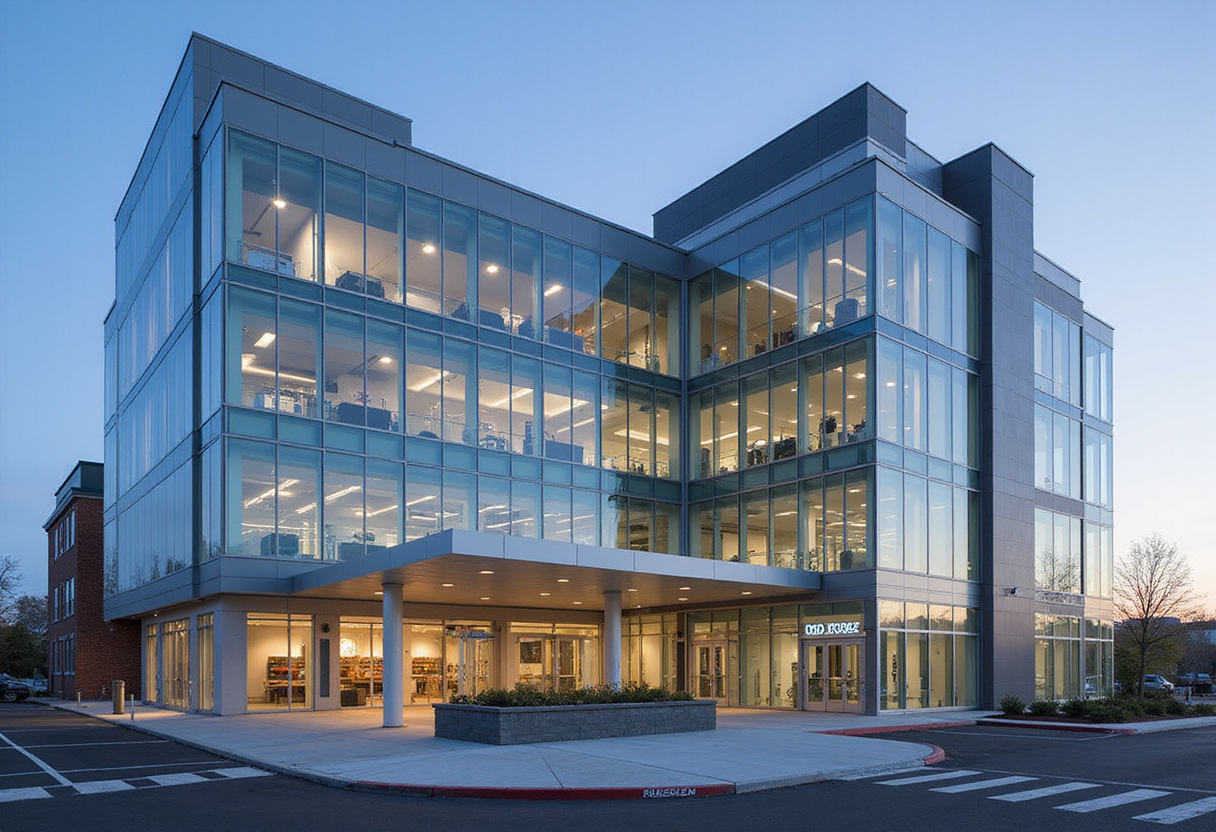
The National Institutes of Health has awarded $40 million to the Clinical and Translational Science Center (CTSC) at UC Davis, one of the largest single federal commitments the center has received and a signal that NIH intends to keep funding the institutional infrastructure behind early-stage clinical research at the Sacramento campus.
The award, reported by Oncodaily, names the CTSC as the recipient of the $40 million commitment. The center operates as UC Davis's hub for translating laboratory findings into human studies, a function that sits at the intersection of the university's medical school, its health system, and its basic science departments. For R&D managers at partner institutions and industry sponsors, the renewal matters less as a lump sum than as a guarantee of operational continuity: pilot funding, biostatistics support, regulatory guidance, and study-coordination services that academic investigators would otherwise have to buy à la carte or forgo.
The CTSC model is not unique to UC Davis. The center belongs to the national Clinical and Translational Science Award (CTSA) program, a network of roughly 60 academic medical centers that NIH has funded since 2006 to shorten the path from bench to bedside. Awards of this scale typically arrive as multi-year renewals rather than one-year grants, which changes how investigators and administrators plan. A five-year horizon, which a $40 million commitment implies, allows the center to staff core facilities, commit to multi-year pilot grant programs, and invest in training fellowships that cannot be sustained on annual funding cycles.
What the headline figure does not reveal is the internal allocation. Center leadership will decide how the $40 million distributes across the CTSC's core services: biostatistics and study design consults, clinical research unit operations, informatics, community engagement, and pilot translational awards that often serve as the first external validation for early-stage academic projects. Investigators who have competed for CTSC pilot grants before — typically awards in the $25,000 to $50,000 range at peer centers, enough to generate preliminary data for larger NIH applications — should watch the center's forthcoming requests for applications for changes in award size, review criteria, or thematic priorities.
The funding also arrives at a moment when NIH support for academic research infrastructure faces broader budget scrutiny. A renewal at this scale indicates the CTSC cleared a competitive peer-review process, not an administrative continuation. CTSA renewals require centers to document measurable output: trials launched, publications, career-development outcomes, and engagement with community and industry partners. UC Davis did not immediately publish a detailed breakdown of the metrics behind this award, and administrators evaluating the center's performance against peer CTSA sites will need that documentation — the award amount alone does not establish comparative productivity.
For industry R&D and business development teams, a funded CTSC lowers the transaction cost of running early-phase academic collaborations. Sites with active CTSA support can move investigator-initiated and company-sponsored trials through IRB review, contracting, and patient recruitment faster than unsupported sites, and the $40 million commitment keeps UC Davis in that category. Oncology teams in particular, given the outlet that reported the award, may find the center relevant for studies routed through UC Davis's cancer programs.
The center has not yet detailed its spending plan or new initiatives under the award. Investigators and potential partners should expect announcements on pilot funding cycles, core facility upgrades, and training programs as the new funding period begins.
via Google News: Translational research (Source)
Filed under
- nih-funding
- uc-davis
- ctsa-program
- clinical-research
- research-infrastructure
More from Rebecca Stone
Show full bio
Market editor covering marketplaces and e-commerce at Hypothesis Wire.
80 articles
References
- Howard, Georgetown Land Nearly $28M NIH Award for Translational Research
- Columbia's Irving Institute Draws Over $77M in Federal Funding
- UC Davis Reports Resilient Federal Funding Despite 39% Slump in NSF Awards
- Pentagon Is Redirecting NIH Research Funding, DeLauro Says
- White House Moves to Take Direct Control of Health Research Funding