Proceedings · Session S-526 · filed November 9, 2026
Corporate & Industrial R&DSession paper
Lockheed Martin wins $694 million ARRW production contract
Lockheed Martin has won a $694 million US Air Force award to begin AGM-183A production for the B-52, reviving a hypersonic program that faced cancellation in 2023.
By Priya Raman4 min read716 words
Summary
- Lockheed Martin received a US$694 million US Air Force contract for AGM-183A production.
- B-52 flight testing of the AGM-183A began in 2020.
- Lockheed Martin specifies AGM-183A flight speeds in excess of Mach 5.
- The ARRW program faced cancellation in 2023.
- The B-52 is expected to remain in service into the 2050s.
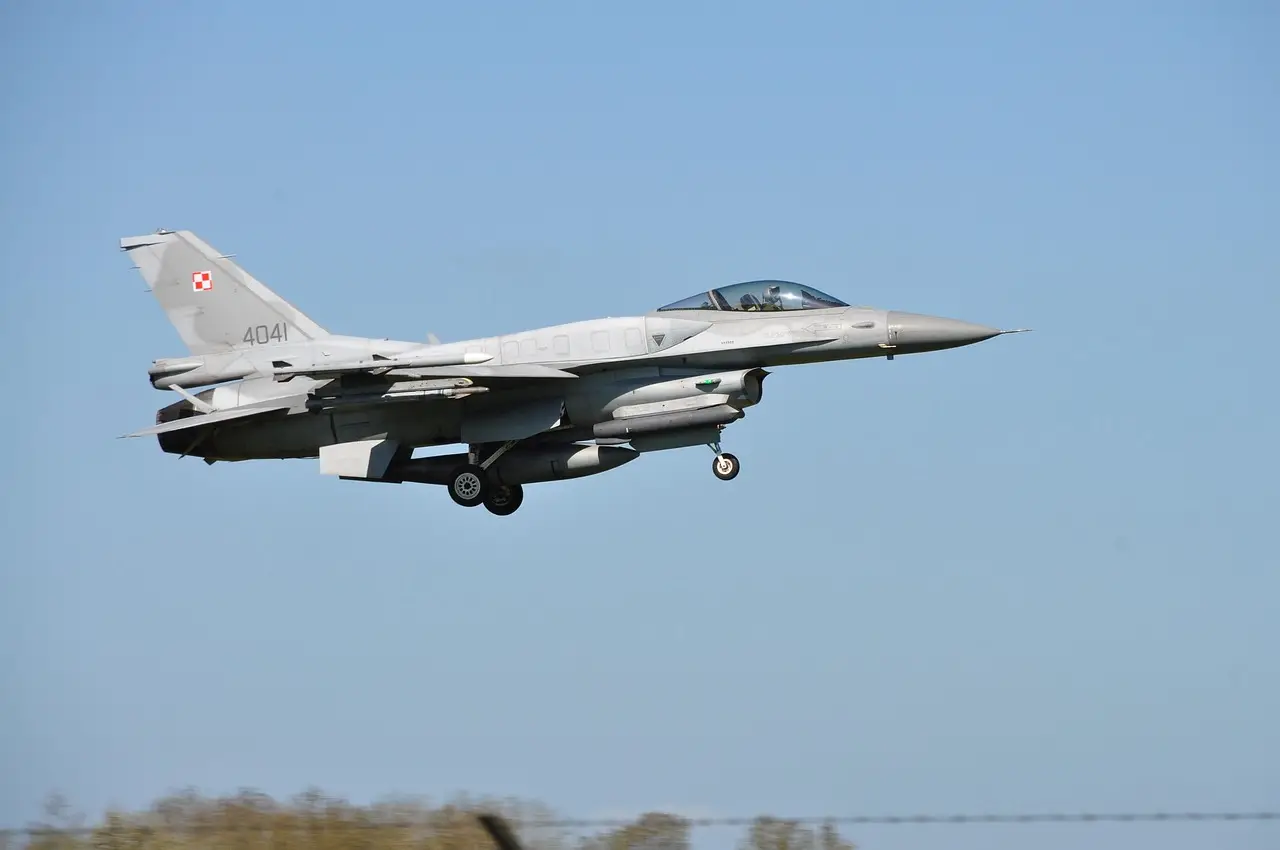
Lockheed Martin has received a US$694 million US Air Force contract to move its AGM-183A Air-Launched Rapid Response Weapon (ARRW) into production for the B-52 Stratofortress, according to the company-supplied account.
The award joins a Cold War bomber to a missile built for hypersonic flight. The B-52 entered service as one leg of America’s nuclear-deterrence triad and has remained in the force since. Its original role was to penetrate Soviet airspace and drop hydrogen bombs.
As policy and technology changed, the bomber’s mission evolved. The source describes a platform now stuffed with electronics that conducts conventional bombing and delivers nuclear and conventional stand-off weapons beyond modern air defenses that remain unneutralized.
The account presents that longevity as a design achievement. It compares the B-52 with Roman roads built 2,000 years ago, British bridges built by Isambard Kingdom Brunel during the Victorian era, and an Eames lounge chair that still resembles its 1956 form. The comparisons frame the engineering argument rather than test it.
Lockheed expects the airframe to remain in service into the 2050s, after its successors have retired and the original crews’ great-grandchildren have replaced them. That timetable is a projection in the supplied material, not a dated procurement commitment.
Tim Cahill, president of Lockheed Martin Missiles and Fire Control, said: “The ARRW production contract award showcases Lockheed Martin’s ability to develop and begin production on cutting-edge systems at unprecedented speed and scale.”
He added: “ARRW expands our weapon systems portfolio and launches a critical, high-precision, and sustained hypersonic capability that will enhance the US Air Force’s strategic advantage across multiple domains.”
What is the missile’s operating sequence?
The ARRW’s stated sequence begins with release from an aircraft. A rocket booster takes the missile to high speed and altitude. The missile then becomes a glide body and accelerates as it descends toward its target, while onboard inertial guidance and GPS provide autonomous control. Its payload is a high-explosive warhead.
Lockheed specifies flight speeds in excess of Mach 5. This account reports no measured speed, range, accuracy or reliability data, and it gives no flight-test sample size or method. The Mach 5 figure is therefore a design specification here, not an independently verified test result.
The B-52 has served as an AGM-183A flight-test aircraft beginning in 2020, which the source uses to argue that integration should not be difficult. The contract revives the ARRW program after it faced cancellation in 2023 and, in the source’s assessment, cements the bomber’s front-line combat role.
What does the production award change?
For R&D and budget managers, the award converts a test-stage program into production activity, with the US Air Force named as the buyer. The source does not divide the US$694 million among flight testing, tooling, engineering, hardware or sustainment, so managers cannot infer the allocation among those cost elements.
The account reads the award as evidence of a US commitment to field practical hypersonic systems in the near future. It supplies no first-delivery date, annual missile quantity, production rate or independent production-readiness review. The US Air Force is the only named funder, and the account does not identify a separate development investment.
For Lockheed Martin, the award adds ARRW to the weapon systems portfolio that Cahill described. The executive’s claim of strategic advantage across multiple domains remains an unquantified assessment. The account provides no comparison with fielded missiles, cost per round or operational effect.
What evidence is still missing?
- The account gives no award date, contract quantity, delivery schedule or production rate.
- It reports no measured Mach number, range, accuracy, reliability result, test-sortie count or test method.
- It names no independent production-readiness assessment, sustainment plan or separate development funder.
Those omissions limit what budget and portfolio managers can infer from the award. The US$694 million value establishes procurement scale, but the supplied material does not show how much risk the program still carries before operational fielding.
The revived ARRW now depends on whether B-52 flight testing begun in 2020 can support production at the scale implied by the US$694 million award, a milestone the supplied account does not yet specify.
via newatlas.com (Source)
Filed under
- arrw
- hypersonic-missile
- lockheed-martin
- b-52
- us-air-force
More from Priya Raman
Show full bio
Staff writer covering money, funding and market shifts around research and development at Hypothesis Wire.
264 articles
References
- DRDO Transfers 20-Tonne Heavy Drop System Tech to JCBL Group
- Air Force and Space Force RDT&E: Billions Shift From Early Research to Fielding
- Pentagon R&D Labs 'Deteriorating' as Funds Shift to Operations
- Sandia's Aires Tide Reaches National Mall After 5-Month AI Build
- Sandia Atrax sounding rocket flight yields reentry vibration data for W93