Proceedings · Session S-292 · filed November 16, 2026
Technology Transfer & IPSession paper
Jazz Pharmaceuticals Wins Two U.S. Patents Covering CBD-C4 and CBD Derivatives
USPTO granted Jazz Pharmaceuticals two patents on November 10 covering CBD-C4 and CBD derivatives, with mouse data showing seizure protection up to a 213% threshold increase.
By Rebecca Stone3 min read566 words
Summary
- USPTO issued U.S. Patents 12,788,766 and 12,790,302 to Jazz Pharmaceuticals Research UK on November 10.
- CBD-C4 completely prevented tonic convulsions in mice at 100 and 200 mg/kg doses (12 mice per group).
- One CBD derivative raised the mouse seizure threshold by 213%, versus 224% for diazepam.
- Jazz acquired GW Pharmaceuticals, maker of Epidiolex, for about $7.2 billion in 2021.
- The underlying patent applications were filed in 2019 and 2021.
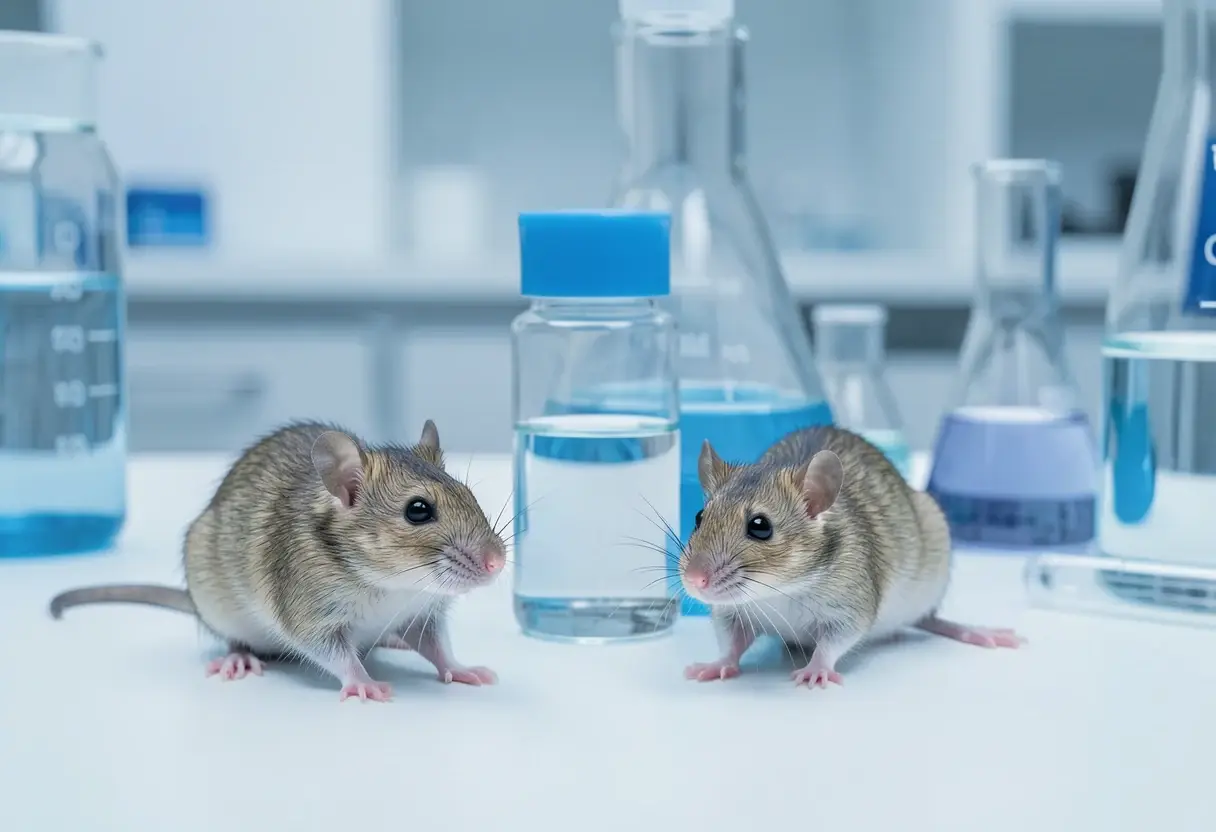
The U.S. Patent and Trademark Office issued two patents to Jazz Pharmaceuticals Research UK Limited on November 10, covering a naturally occurring minor cannabinoid and a family of cannabidiol (CBD) derivatives that showed anticonvulsant activity in mouse models of seizures.
The patents extend the intellectual property estate behind Epidiolex, the first marijuana-derived prescription medicine approved by the U.S. Food and Drug Administration. Jazz acquired GW Pharmaceuticals, Epidiolex's original developer, in 2021 in a transaction valued at approximately $7.2 billion. Epidiolex received its initial FDA approval in 2018 and is currently approved for seizures associated with Lennox-Gastaut syndrome, Dravet syndrome and tuberous sclerosis complex in patients age 1 and older.
What does the first patent cover?
U.S. Patent No. 12,788,766, titled "Cannabidiol-type cannabinoid compound," stems from research into cannabidiol-C4 (CBD-C4), a cannabinoid that occurs in small quantities in the marijuana plant and can also be produced synthetically.
The original patent application details experiments on the compound's potential therapeutic uses, including its anticonvulsant properties. In one study, researchers tested five doses of CBD-C4 in a mouse model of seizures, with 12 mice in each group. Every mouse in the control group experienced tonic convulsions after electrical stimulation. CBD-C4 completely prevented tonic convulsions at doses of 100 and 200 milligrams per kilogram, and both results reached statistical significance.
The application also reports experiments examining CBD-C4's potential relevance to schizophrenia.
What does the second patent add?
U.S. Patent No. 12,790,302, titled "Cannabinoid derivatives as pharmaceutically active compounds and method of preparation thereof," covers a series of newly developed compounds structurally related to CBD, along with methods for manufacturing them.
The application identifies their potential pharmaceutical applications, particularly in treating epilepsy and generalized and tonic-clonic seizures. In preclinical experiments, several of the compounds increased the level of electrical stimulation needed to induce seizures in mice — an indicator of anticonvulsant activity.
One compound raised the seizure threshold by 213% at its highest tested dose. For comparison, mice treated with diazepam, an established anticonvulsant medication, showed a 224% increase.
What are the limits of the data?
All results disclosed in the applications come from preclinical mouse models, with small group sizes of 12 animals per dose arm in the CBD-C4 seizure experiment. The source material does not report human trial data for either patent family, and no clinical milestone dates appear in the disclosures.
The applications were filed in 2019 and 2021 respectively, meaning roughly five to seven years elapsed between filing and grant. That timeline reflects sustained investment rather than a new program: the company has continued to fund research into naturally occurring minor cannabinoids and chemically modified versions of CBD alongside its commercial Epidiolex franchise.
What does this mean for R&D portfolios?
For cannabinoid drug development, the grants signal that composition-of-matter and method-of-preparation claims remain obtainable in this space, both for a minor plant-derived cannabinoid and for structurally engineered CBD analogues. The seizure-threshold comparison against diazepam gives portfolio managers a benchmark, but it comes from a single preclinical model and should be read as a screening signal, not an efficacy claim.
The patents give Jazz exclusive positions on two next-generation cannabinoid chemistry programs; whether either reaches human studies will depend on toxicology and formulation work that the disclosures do not cover.
via themarijuanaherald.com (Source)
Filed under
- jazz-pharmaceuticals
- cannabidiol-cbd
- patent-protection
- preclinical-research
- cannabinoid-drug-development
More from Rebecca Stone
Show full bio
Market editor covering regulation, policy and their impact on research and development at Hypothesis Wire.
274 articles
References
- FDA Proposes First Drug-to-Supplement Path That Could Reach CBD
- FDA Opens Ibogaine Trial Docket; AstraZeneca Unveils $1B Cambridge R&D Center
- KRAS G12D Inhibitor Deal Values Cross-Border Pact at $2.13B
- FDA Cannabinoid Data-Sharing Pacts: Six Expired, Two Extended to 2031, New York Joins
- Liquidia Pays $380.7M to End Treprostinil Fight With United Therapeutics