Proceedings · Session S-839 · filed October 30, 2026
Lab Technology & MethodsSession paper
IMU targets 100 million data points per sample across 80,000 UK Biobank donors
IMU Biosciences says its 80,000-sample UK Biobank study will yield over 100 million immune data points per sample, using Waters cytometry and Ultima sequencing. First 10,000 profiles began in September.
By Amara Osei4 min read878 words
Summary
- IMU Biosciences announced Oct. 19 an 80,000-sample UK Biobank study claiming over 100 million immune data points per sample.
- BD FACSDiscover measures 59 biomarkers and distinguishes up to 2,500 immune cell types, per IMU and Waters.
- The cohort splits evenly: 40,000 fresh samples and 40,000 cryopreserved samples for retrospective disease comparison.
- Profiling of the first 10,000 samples began in September, partly funded by a UK Sovereign AI grant.
- Partners aim to expand immune profiling to the full 500,000-participant UK Biobank cohort.
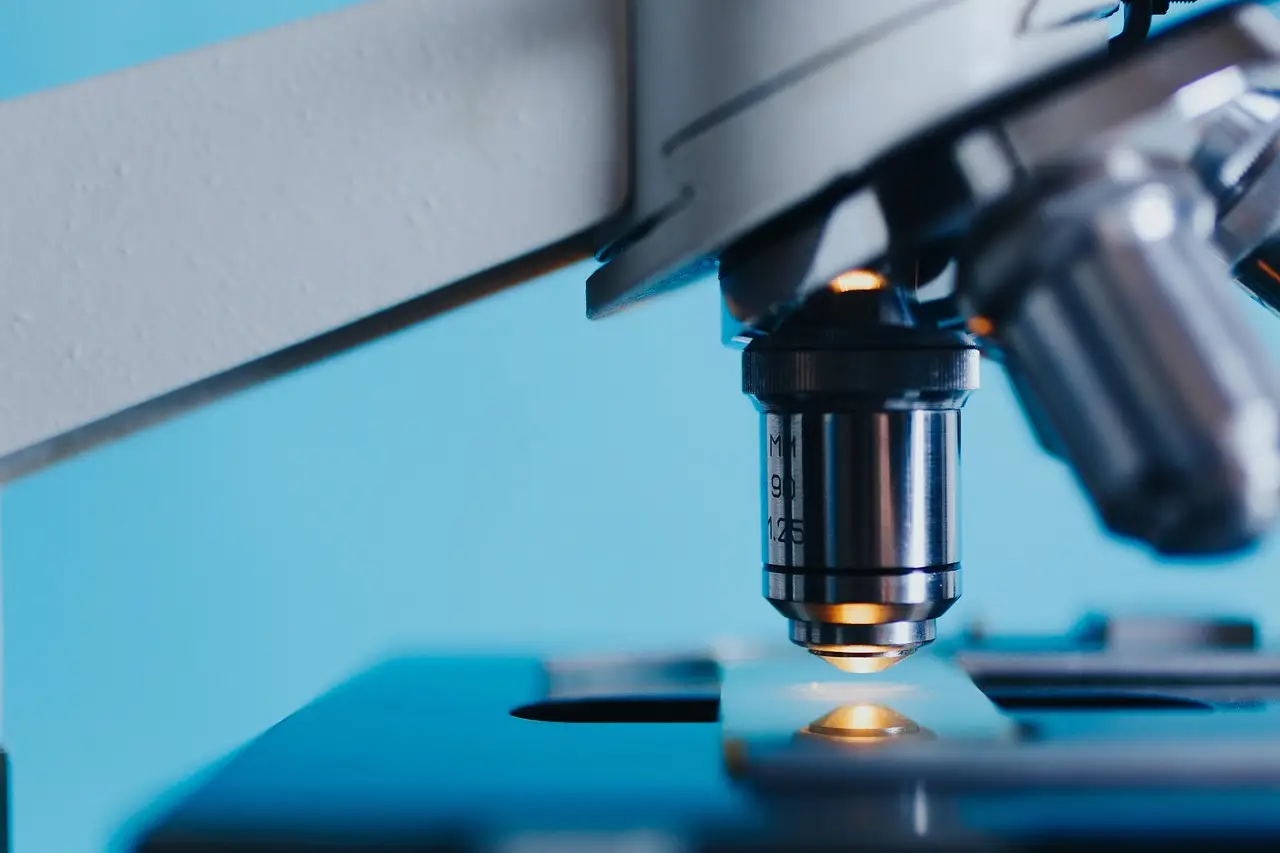
A study of 80,000 UK Biobank blood samples will generate more than 100 million immune data points per sample, according to IMU Biosciences, the London-based immune profiling company running the analysis. The company announced the program on Oct. 19 and disclosed that profiling of the first 10,000 samples began in September, with partial funding through a UK Sovereign AI grant.
The ambition is large by any frame. Eighty thousand donors, each yielding nine figures of measurements, produces a dataset whose scale dwarfs conventional flow cytometry studies, which typically interrogate dozens of markers across hundreds or a few thousand participants. Whether the claimed per-sample density survives independent scrutiny remains untested; no external validation has been published.
How will the instruments divide the work?
Two Waters platforms carry the measurement load. The first, the BD FACSDiscover spectral flow cytometer, reads fluorescent labels to measure markers on individual blood cells. IMU and Waters state that it measures 59 biomarkers and allows IMU to distinguish up to 2,500 immune cell types. That figure is a vendor-and-sponsor claim, not a peer-reviewed result, and the companies did not describe the validation criteria used to define those cell types.
The second instrument, the BD Rhapsody, is a sample-preparation platform for single-cell transcriptomics — the measurement of gene activity in individual cells. It prepares sequencing libraries from each donor's cells. Ultima Genomics' UG200 sequencer then reads those libraries.
"The two Waters platforms give us complementary layers of immune data from the same donor," IMU wrote in response to questions from R&D World. The company says its machine-learning methods integrate the immune-cell measurements with the gene-activity data. The performance of that integration layer across a dataset of this size has not been reported in the scientific literature.
Why split the samples between fresh and frozen?
The 80,000 samples divide evenly: 40,000 fresh and 40,000 cryopreserved. The frozen samples carry the scientific weight of the study's design. Because they were drawn years ago, researchers can compare immune profiles from past blood against diseases participants developed later — the retrospective link that turns a reference dataset into a predictive one.
That comparison hinges on a methodological claim IMU has made but not demonstrated publicly. The company says every sample passes through a single automated, standardized workflow, and that it has developed experimental and analytical methods to make measurements from fresh and frozen blood comparable. Cryopreservation is known to alter cell populations; the companies did not quantify the residual differences between the two sample types.
For R&D managers weighing similar population-scale immune profiling projects, the workflow claim matters more than the headline number. A single standardized pipeline across 80,000 samples would reduce batch effects that plague multi-site cytometry efforts. IMU has not disclosed throughput rates or cost per sample.
What do the first 10,000 samples include?
IMU and Waters confirmed that the first 10,000 samples — the cohort partly funded by the UK Sovereign AI grant — will receive both immune-cell profiling and single-cell gene-expression analysis from the same donors. That paired design, linking protein-marker and transcriptome readouts within individual donors, is the study's core methodological bet.
The partners aim to expand immune profiling to the full UK Biobank cohort of 500,000 participants, a sixfold increase over the current commitment. That expansion is a stated goal, not a funded plan, and no timeline accompanied it.
Who gets access to the data?
The resulting profiles will join UK Biobank's existing measurements of circulating proteins, metabolites and blood-cell counts. Access will follow the biobank's established procedures rather than any new channel.
"[W]e'll be working closely with the UK Biobank to make it available to approved researchers through their established access procedures," IMU and Waters wrote in their joint statement. For academic and industry researchers, that means the standard UK Biobank application route — with the caveat that the sponsors did not state when the first tranche of immune profiles will become available to applicants, nor under what data-use terms.
What claims still need interrogation?
Three numbers anchor the program, and all three come from the participating companies rather than independent verification: 100 million data points per sample, 59 measured biomarkers, and 2,500 distinguishable immune cell types. The study's funder mix — a commercial biotech, an instrument maker, a sequencing vendor and a UK government AI grant — creates a clear commercial interest in favorable framing.
What is not said is equally informative. IMU and Waters did not report sample throughput, per-sample cost, dropout rates for the single-cell transcriptomics arm, or the statistical method for aligning fresh and frozen measurements. No preprint or publication accompanied the Oct. 19 announcement.
The study's value to the research community will ultimately rest on the quality of the retrospective disease associations, not the volume of raw measurements. If the fresh-versus-frozen comparability methods hold, the 40,000 archived samples could give epidemiologists a rare longitudinal window into immune predictors of disease. The next verifiable milestone will be the release of the first 10,000 paired profiles through UK Biobank's access system, when independent researchers can test the claims for themselves.
via imubiosciences.com (Original)
Filed under
- single-cell-transcriptomics
- spectral-flow-cytometry
- immune-profiling
- multi-omics
- uk-biobank
More from Amara Osei
Show full bio
News editor covering money, funding and market shifts around research and development at Hypothesis Wire.
218 articles
References
- UK Sovereign AI grant backs immune profiling of 80,000 Biobank samples
- UK Biobank Immune Atlas to Generate 100 Million Data Points Per Sample
- Spatial Biology Vendors Push From Discovery Bench to Clinical Assay
- Multiomics in 2026: Five Vendors Name Sample Prep and Coherence as Bottlenecks
- 12.4 Million Cells Map Immune Aging — and a Cell Ratio Predicts Disease Risk