Proceedings · Session S-247 · filed November 5, 2026
Research Funding & PolicySession paper
Global health R&D funding falls 12% as donors warn of PDP 'natural selection'
Global health funding fell 12% in 2025, its lowest since 2012. Berlin summit speakers warn PDP research funding now faces "natural selection" as Gates and UK donors cut support.
By Rebecca Stone4 min read816 words
Summary
- Global health funding fell 12% in 2025 to the lowest level since 2012, per IHME preliminary estimates.
- Gates Foundation cut PDP grants by nearly a quarter in 2024; DNDi cut research spending 23% in 2025.
- A coalition of 12 PDPs reported nearly 300 products in development in 2023, over 100 in Phase 2 or later.
- Novartis/MMV's GanLum cured 97.4% of patients in a Phase 3 malaria trial across 12 African countries.
- UK aid falls to 0.3% of GNI by 2027; Germany plans further global health cuts in its 2027 budget.
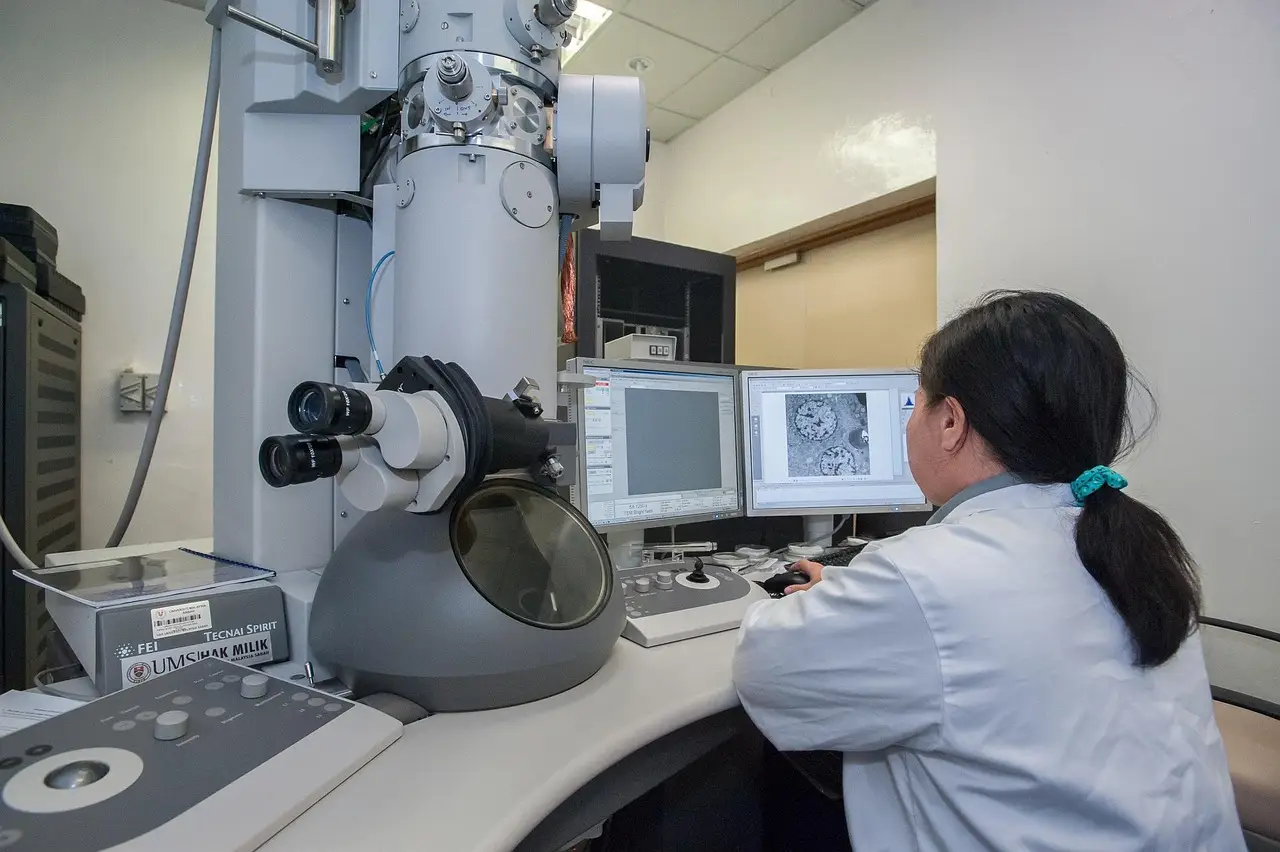
Global health funding fell 12% in 2025 to its lowest level since 2012, and speakers at the World Health Summit in Berlin warned that financing for product development partnerships (PDPs) — the non-profit organizations that develop medicines for malaria, tuberculosis and neglected tropical diseases — is no longer guaranteed. The figure comes from preliminary estimates cited from the Institute for Health Metrics and Evaluation (IHME).
The pressure on PDPs is not new. Impact Global Health's G-FINDER survey reported that funding to PDPs fell for five consecutive years, reaching a record low in 2023.
What do the donor cuts look like in numbers?
The specific reductions reported at the meeting are concrete:
- The Gates Foundation, the largest backer of PDPs, cut its grants by nearly a quarter in 2024.
- DNDi (Drugs for Neglected Diseases initiative), one of around a dozen PDPs worldwide, reduced its research spending by 23% in 2025, according to its audited accounts.
- The UK plans to cut aid to 0.3% of gross national income by 2027.
- Germany is planning further global health cuts in its 2027 budget.
Against that trend, the UK provided $40 million for neglected-disease research in 2023 — more than any other government — and increased that sum by 55% in 2024, according to G-FINDER data. Germany's research ministry provided $4 million and is splitting €50 million among five PDPs over six years.
Who said what in Berlin?
Veronika von Messling, director-general for health and life sciences at Germany's Federal Ministry of Research, Technology and Space (BMFTR), described the partnership model as resting on a "promise" that funding would continue as long as PDPs perform within defined boundaries. That promise, she suggested, may not be sustainable.
She proposed that funders might instead allow PDPs to compete for remaining resources, using the term "natural selection" to describe how survival could depend on performance. Dirk Mueller, senior health adviser at the UK's Foreign, Commonwealth and Development Office and chair of the PDP Funders Group, agreed in principle: "there will be more natural selection," he said, if funding no longer exists.
For R&D managers, the shift implies moving from relatively stable institutional grants toward competitive awards with demonstrable, faster results — a change that affects portfolio planning and trial timelines.
How deep is the pipeline at risk?
A coalition of 12 leading PDPs reported nearly 300 products in development in 2023, with more than 100 already in Phase 2 trials or later. PDP leaders warned that the most expensive work — late-stage trials and registration — still lies ahead.
The model exists because of a persistent market failure: drugmakers rarely invest where expected sales cannot justify R&D costs. The record bears this out. Research with Médecins Sans Frontières found that between 1975 and 1999, only 16 of 1,393 new medicines marketed targeted tropical diseases and tuberculosis. Among 763 medicines approved between 2005 and 2024, only 15 were for neglected diseases.
The approach does deliver. Acoziborole, developed by Sanofi and DNDi, was registered in the Democratic Republic of the Congo in June as a treatment for sleeping sickness (human African trypanosomiasis) — a field where an earlier, safer drug was dropped by its manufacturer in 1995.
What is happening with malaria?
The funding squeeze coincides with rising artemisinin resistance. Malaria parasites are developing partial resistance to artemisinin, the backbone of current treatment; WHO estimates 282 million people caught malaria in 2024, with cases and deaths rising since 2015. In Rwanda, 40 to 50% of parasites already carry the resistance mutation. Scientists at the Wellcome Sanger Institute warned the consequences could be "catastrophic" if resistance further undermines artemisinin-based medicines across Africa, which accounts for 94% of global malaria mortality.
The most advanced replacement is GanLum, a Novartis drug developed with Medicines for Malaria Venture (MMV). It cured 97.4% of patients in a Phase 3 trial across 12 African countries and is awaiting approval; it would be the first malaria treatment in more than 25 years not built on artemisinin. Novartis and MMV also secured approval of Coartem® Baby from Swiss regulators in July 2025 and WHO prequalification in April. MMV CEO Martin Fitchet, in written answers to Health Policy Watch, described PDPs as bringing together industry, science and the public sector to develop medicines for the people who need them.
Vector control faces parallel pressure. Insecticide-treated nets accounted for 68% of the 663 million malaria cases averted in Africa between 2000 and 2015, according to a Nature study, yet insecticide resistance is spreading. Justin McBeath, chief executive of the Innovative Vector Control Consortium, noted that changes in the global health architecture do not remove the underlying problem.
With hundreds of products in development and resistance rising on both drug and vector fronts, whether Berlin's competitive-funding logic sustains or stalls those pipelines will become clear as Germany's and the UK's 2027 budget decisions land.
via Google News: R&D funding (Source)
Filed under
- global-health-r-d
- product-development-partnerships
- neglected-diseases
- donor-funding
- malaria-drug-resistance
More from Rebecca Stone
Show full bio
Market editor covering regulation, policy and their impact on research and development at Hypothesis Wire.
226 articles
References
- South Africa's R&D Faces R2.5bn Hole as US Funding Pullout Reshapes STI Financing
- NIH Awards Fell 11.6% in 2025, Ripping Up the Postwar Research Pact
- UK Puts £55 Billion Behind R&D Push Spanning Health to Clean Energy
- Coronavirus Vaccine R&D Funding Collapsed 95% From 2020 Peak
- US Funding Cuts Put R2.5 Billion of South African Research at Risk