Proceedings · Session S-271 · filed November 20, 2026
Research InfrastructureSession paper
Ghana Targets First Locally Made Vaccine by Q1 2027
Ghana's National Vaccine Institute says the first locally made tetanus-diphtheria vaccine is due by Q1 2027, with one of three Indonesian-made bulk substances already delivered and a $50m annual procurement need looming.
By Tom Whitfield3 min read615 words
Summary
- Ghana targets its first locally manufactured vaccine — tetanus-diphtheria — by Q1 2027.
- One of three bulk substances, made in Indonesia under a MoH grant deal, is already at Atlantic Life Sciences.
- Sodzi-Tettey estimates Ghana will need at least US$50 million annually for vaccine procurement after exiting external support.
- A Cabinet memorandum seeks advance market commitments and 10-year procurement agreements.
- The Ghana Biomanufacturing Training Consortium is due by end of 2027.
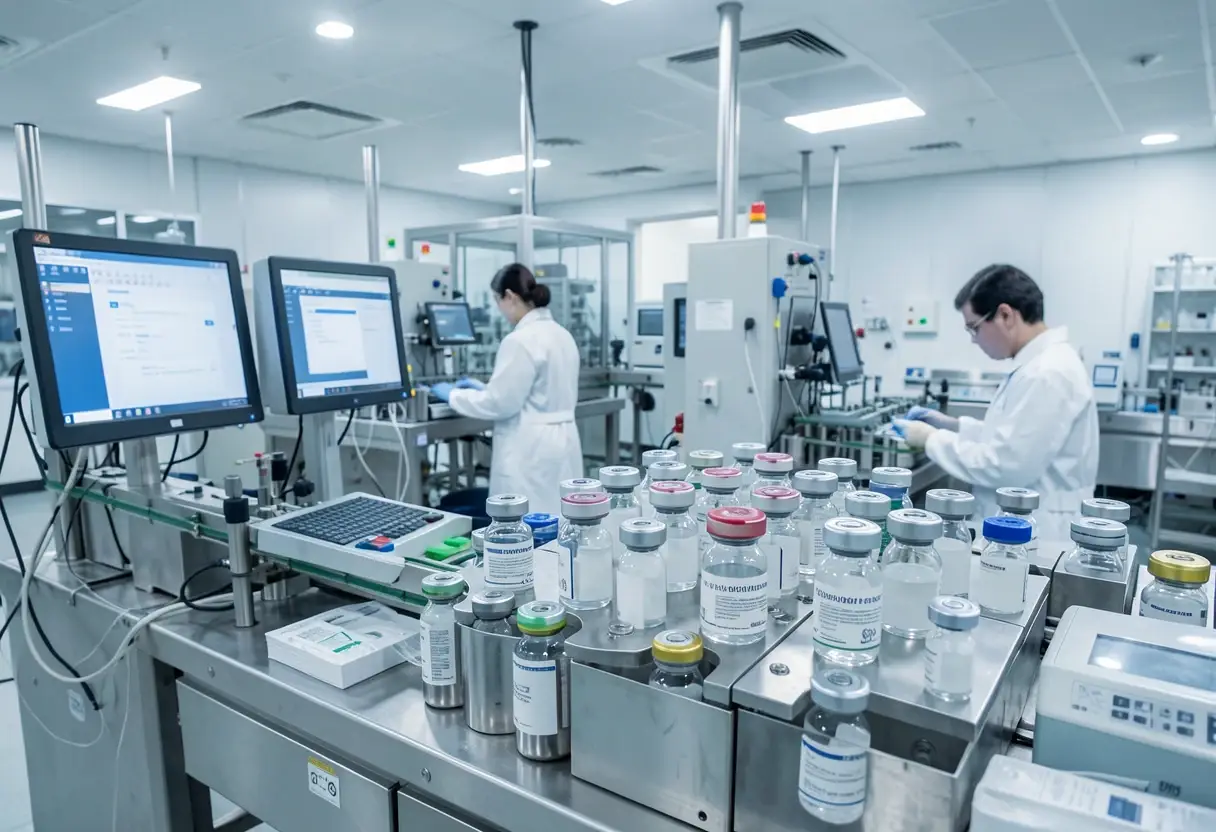
Ghana expects to produce its first locally manufactured vaccine — a tetanus-diphtheria shot — by the first quarter of 2027, according to Dr Sodzi Sodzi-Tettey, Chief Executive Officer of the National Vaccine Institute (NVI).
He announced the timeline on Wednesday at the commissioning of the National Human Identification Laboratory and the Vaccine Research and Development facilities at the Noguchi Memorial Institute for Medical Research in Accra. The target is a projection from the institute, not a measured production milestone, and the programme's credibility will rest on the next procurement and regulatory steps.
What has actually arrived?
One concrete piece of the supply chain is already in the country. The first of three bulk substances needed to manufacture the vaccine, produced in Indonesia under a grant arrangement negotiated by Ghana's Ministry of Health, now sits at the premises of Atlantic Life Sciences. Sodzi-Tettey said the arrangement should cut production costs and improve affordability for the Government.
Two further bulk substances remain outstanding. The Government has fully funded the procurement and installation of equipment, plus the training of scientists for a new mRNA laboratory, he said.
The NVI is also working with the Africa Centres for Disease Control and Prevention (Africa CDC) and the International Vaccine Institute to connect Ghana's research activity with other mRNA research hubs across Africa — a coordination play that matters for any lab planning shared platforms or staff exchanges on the continent.
What is the policy backdrop?
The recently approved Ghana Pharmaceutical Manufacturing Policy will provide incentives to strengthen local pharmaceutical production and address skills gaps in the industry, Sodzi-Tettey said. He cited one measure already in force: a tax exemption on the imported bulk substance for the tetanus-diphtheria vaccine.
Skills are the medium-term constraint. By the end of 2027, the NVI — in partnership with the Pharmabus Project — plans to establish the Ghana Biomanufacturing Training Consortium, bringing together academic institutions and industry partners. Its mandate is to build specialised skills in the areas Ghana needs to move from vaccine fill-and-finish operations to end-to-end manufacturing.
That transition is the strategic prize. Fill-and-finish captures limited value; full manufacturing would keep investment, jobs and technical capability onshore.
How will the market be financed?
Demand-side mechanisms are moving through government. Sodzi-Tettey said the Minister of Health has finalised a Cabinet memorandum seeking approval for advance market commitments and 10-year procurement agreements to support local vaccine production.
The money at stake is substantial. Sodzi-Tettey estimated Ghana will need at least US$50 million annually for vaccine procurement once it transitions away from external support arrangements, and he argued part of that spending should go towards strengthening local manufacturing capacity.
"We need to begin to think in terms of a dedicated fund that would assure the industry that not only are we promising to purchase, but we have the financial backing to continue to purchase," he said.
In his framing, the proposed arrangements would retain investment within Ghana, create jobs and give locally manufactured vaccines a sustainable market. Those outcomes remain projections until Cabinet acts on the memorandum and procurement contracts are signed.
Why it matters for R&D planners
Sodzi-Tettey described the developments as the start of a new phase in Ghana's vaccine and pharmaceutical manufacturing agenda, and credited the Minister of Health for backing the push to build a domestic vaccine manufacturing ecosystem.
For research managers and vendors watching African biomanufacturing, the near-term checkpoints are clear: delivery of the remaining two bulk substances, commissioning of the mRNA laboratory, Cabinet's decision on the 10-year procurement agreements, and the consortium's launch before the end of 2027.
via ghanabusinessnews.com (Source)
Filed under
- ghana
- vaccine-manufacturing
- mrna
- biomanufacturing
- pharmaceutical-policy
More from Tom Whitfield
Show full bio
Senior reporter covering technology and product news in research and development at Hypothesis Wire.
280 articles